Aakaar
A chess set for modern India that doesn't cast(e) its past aside.
A screen that decorates a wall is still a wall. Jali determined who stood inside the palace and who remained outside it, looking in.
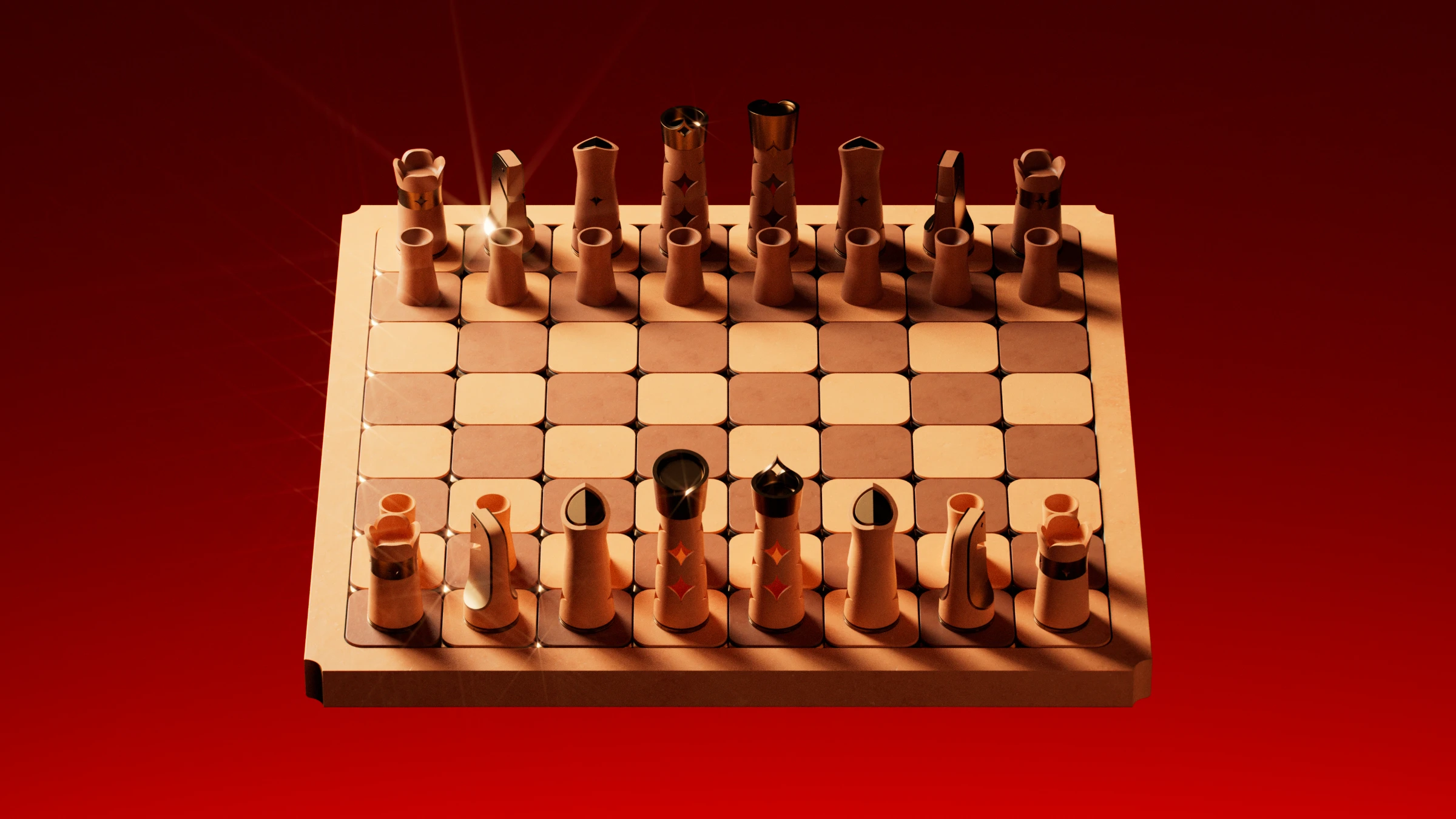
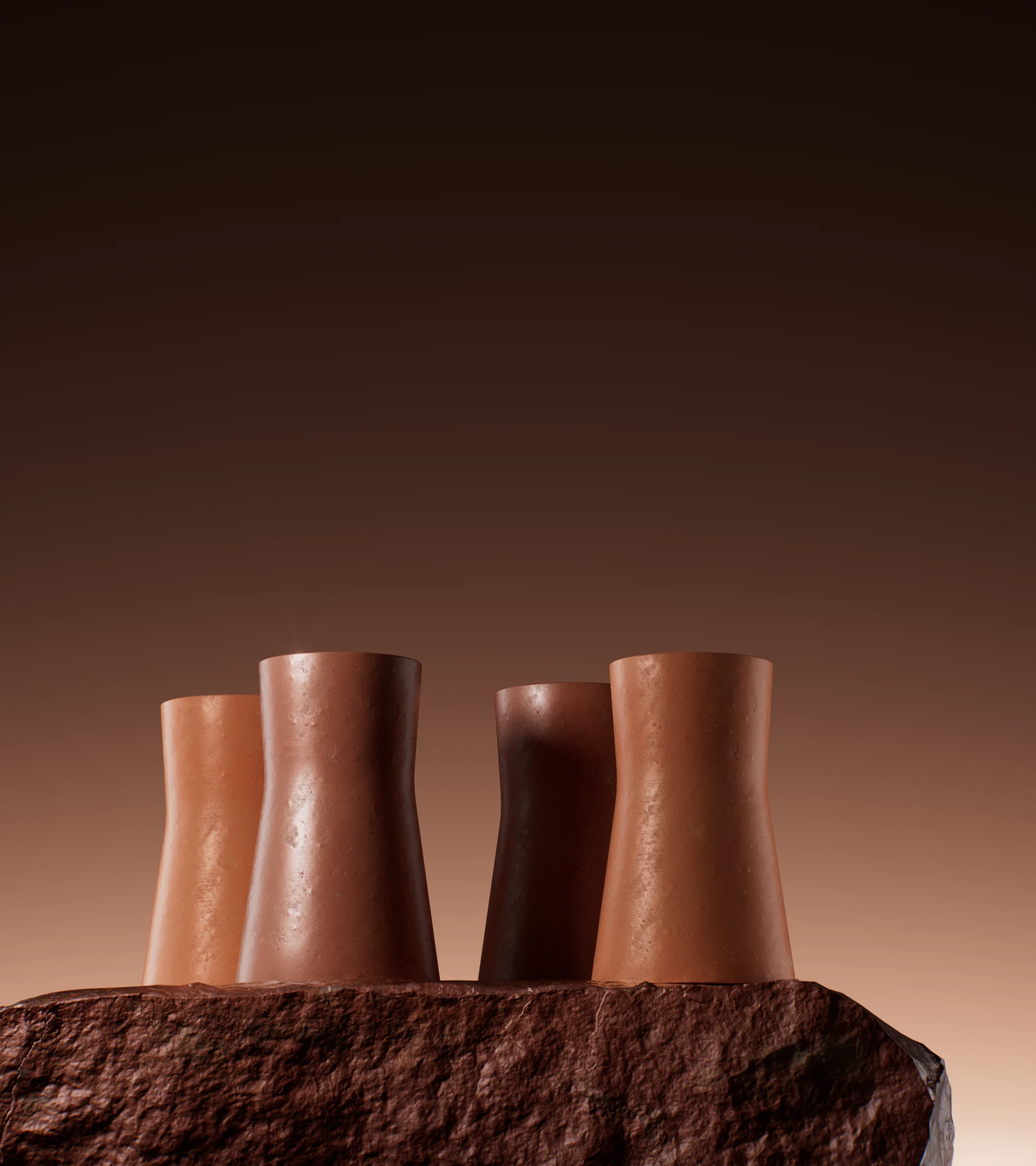
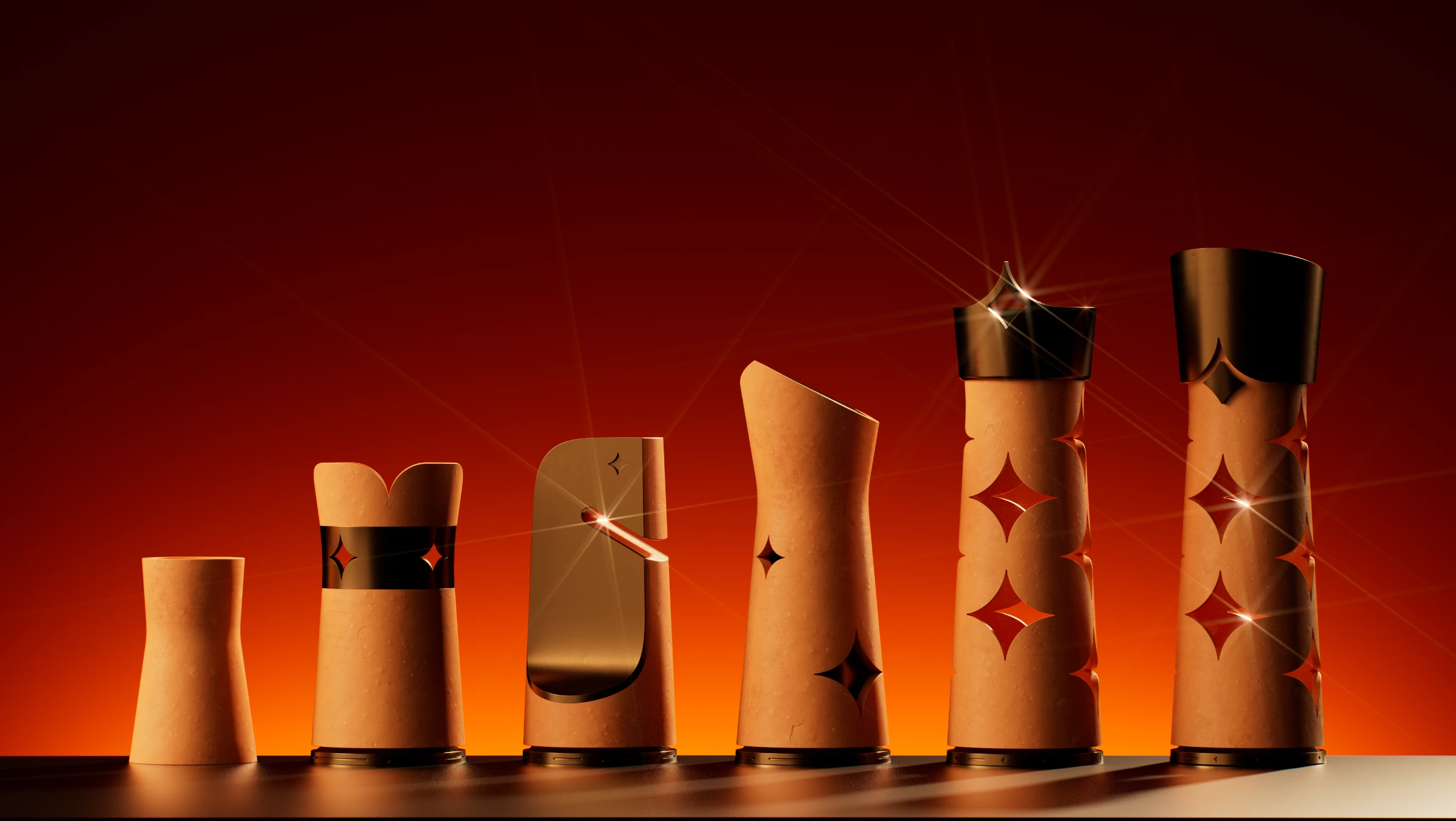
Every piece carries both materials: the clay anyone could afford, and the bronze reserved for palaces.
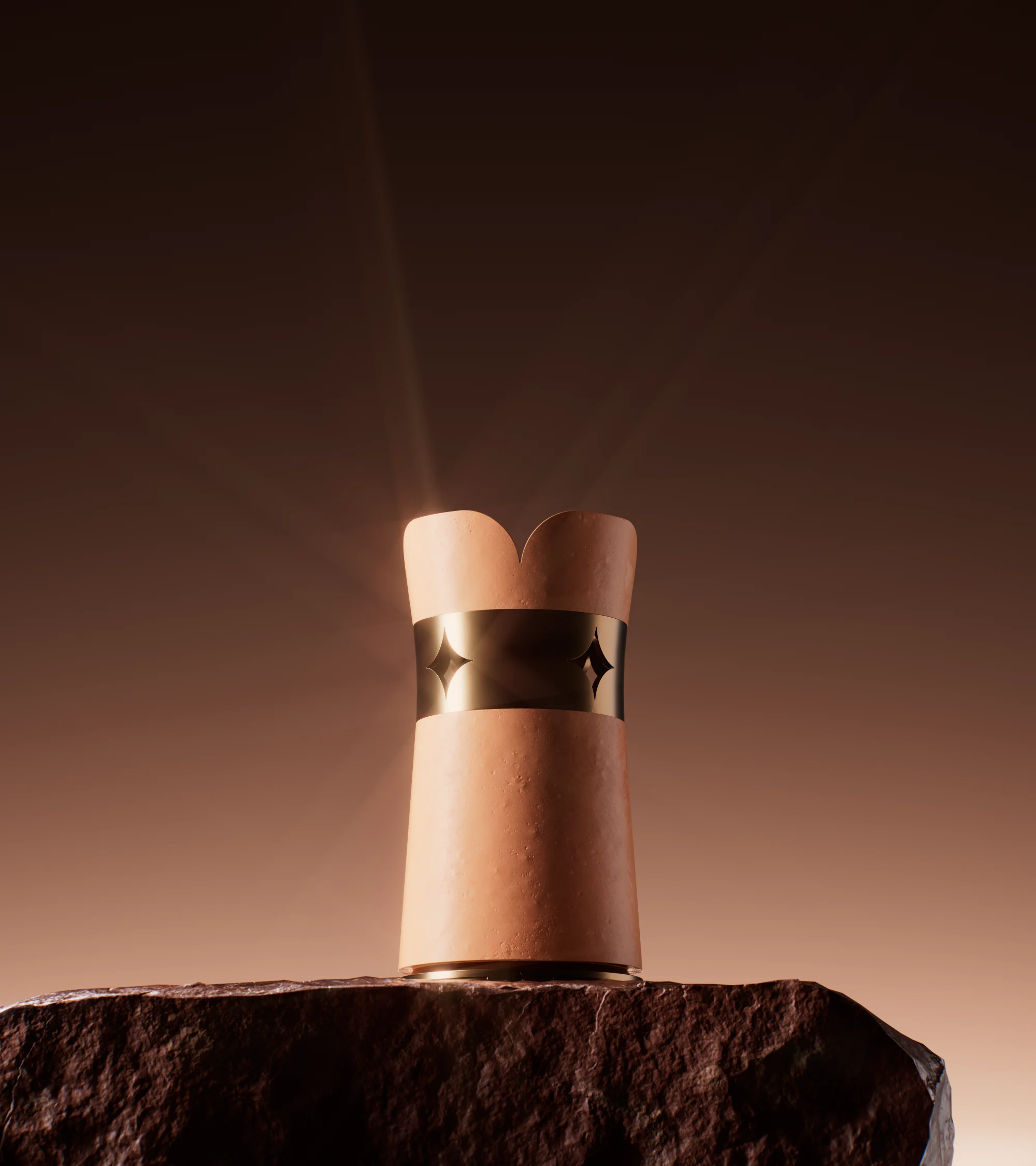
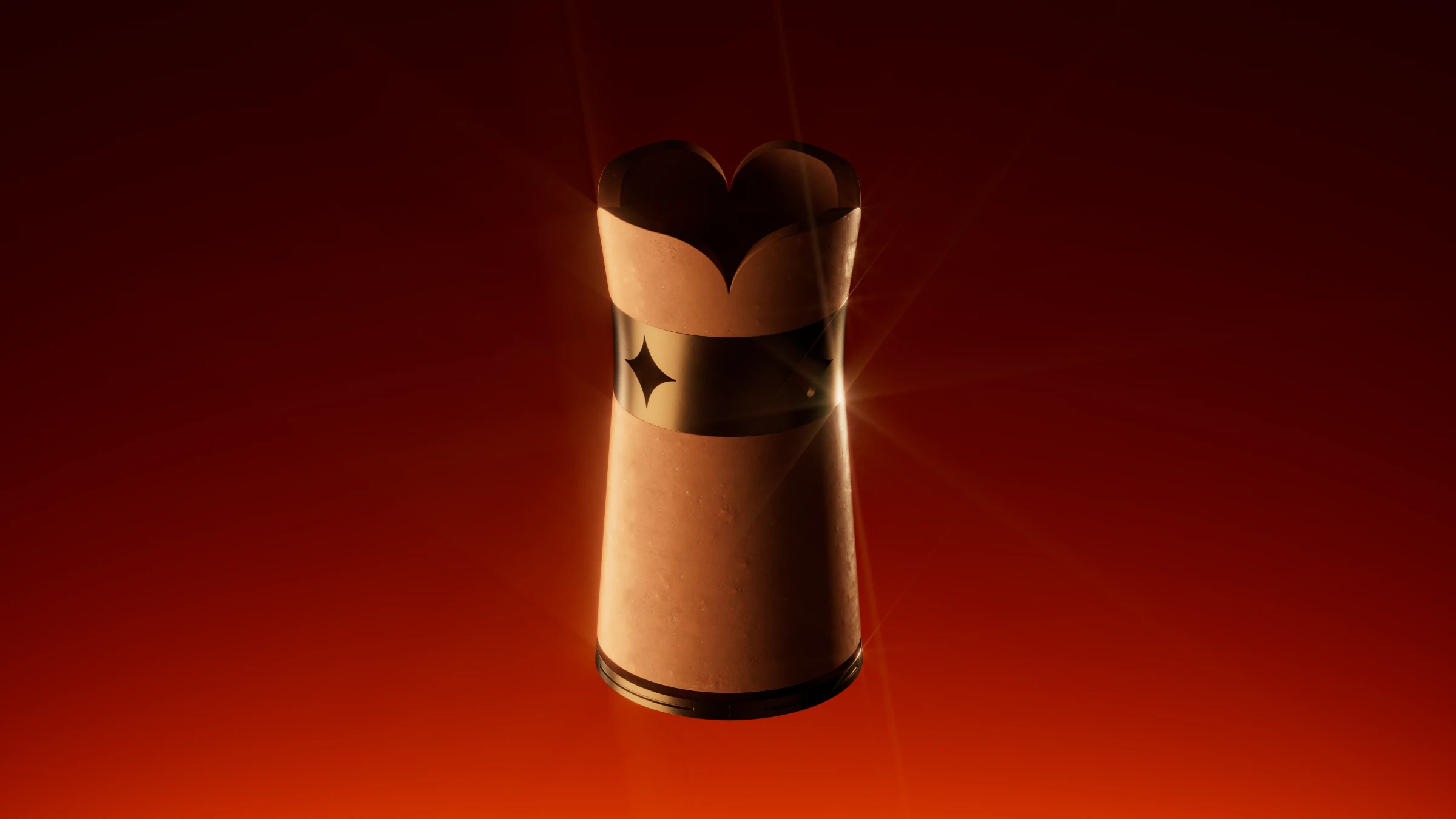
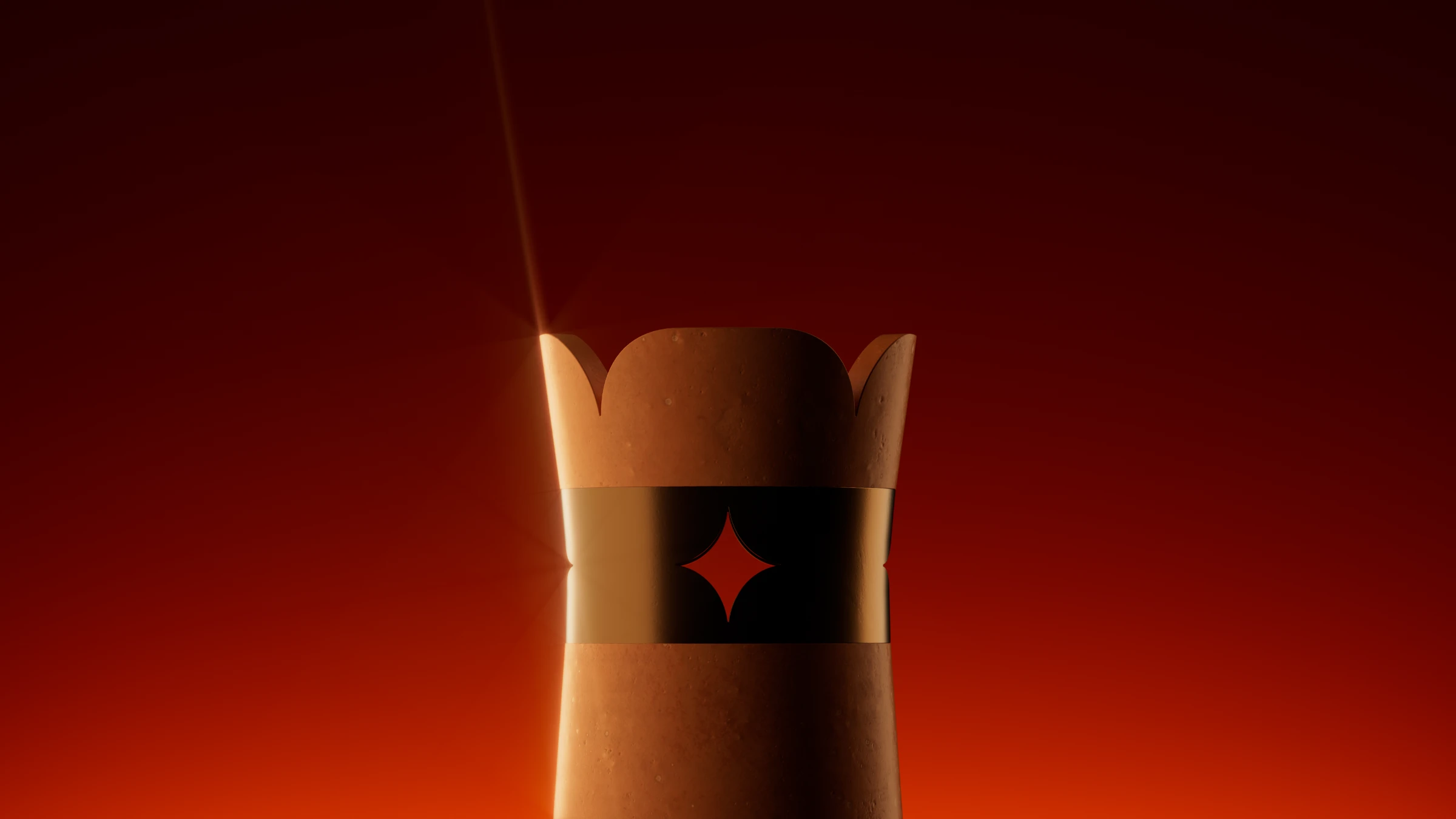
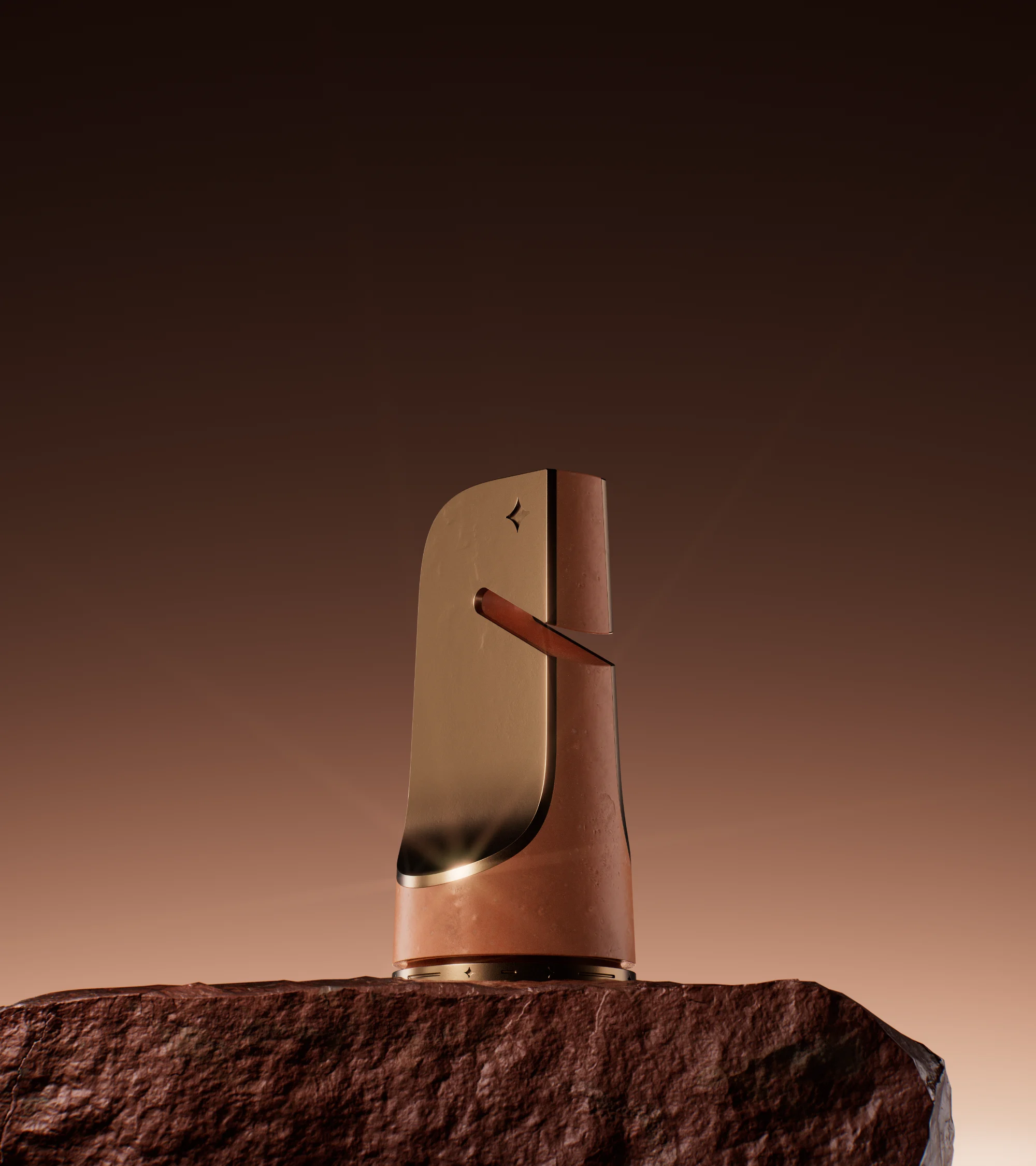

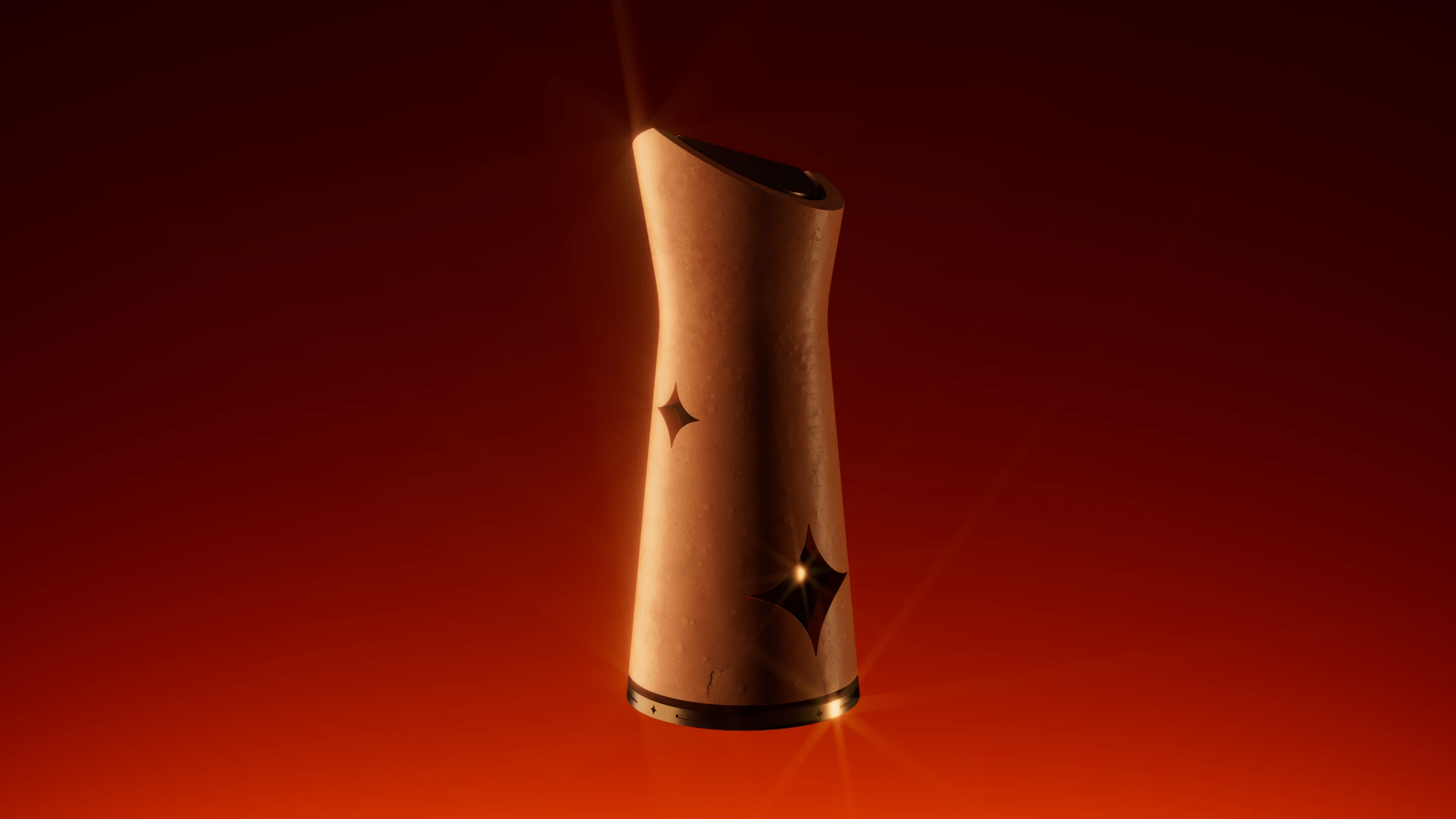

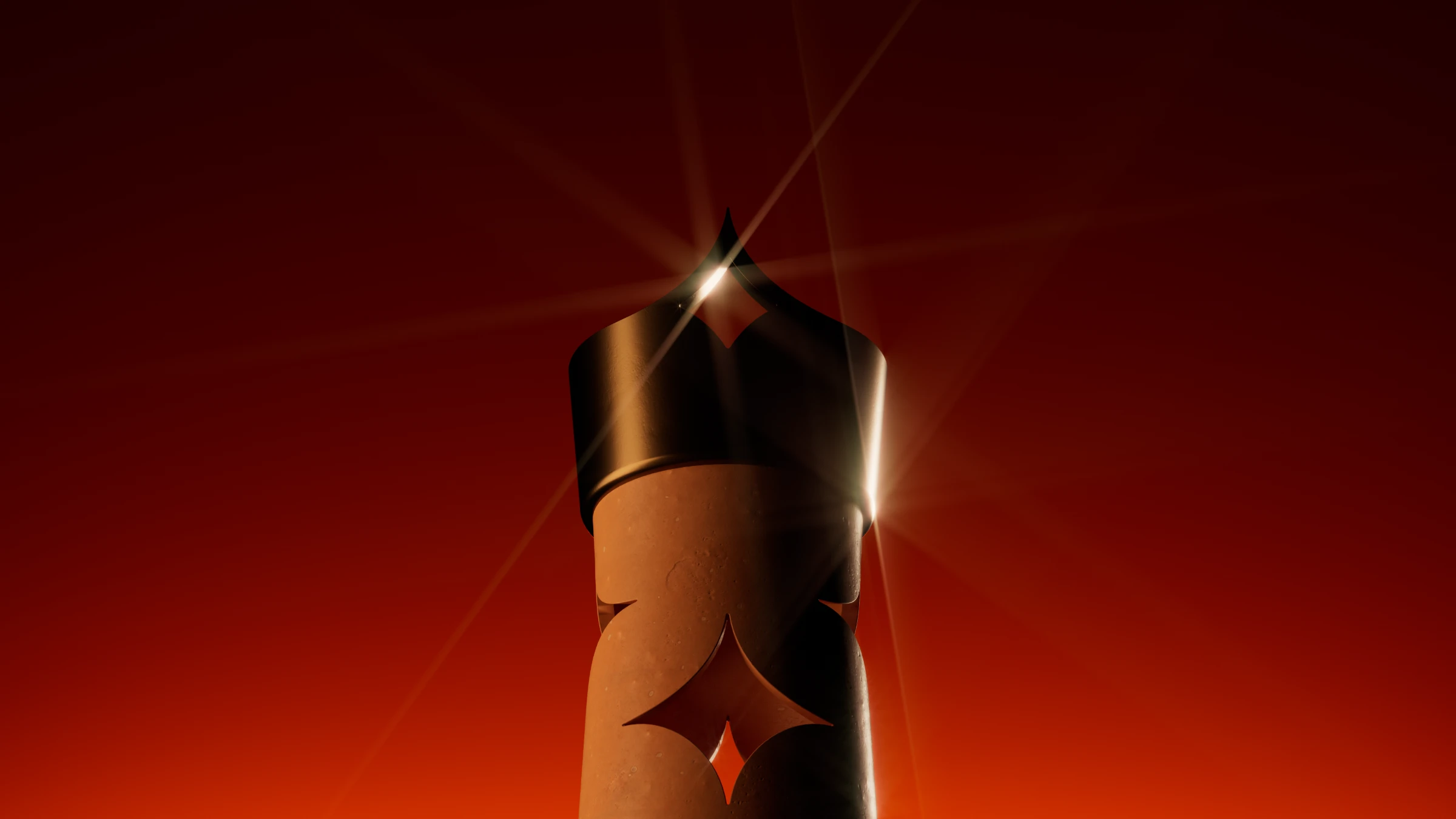
A Western crown is lowered onto its wearer; a turban is tied. The king's crown holds the jewel, and the queen's tiara repeats its shape and leaves it empty.
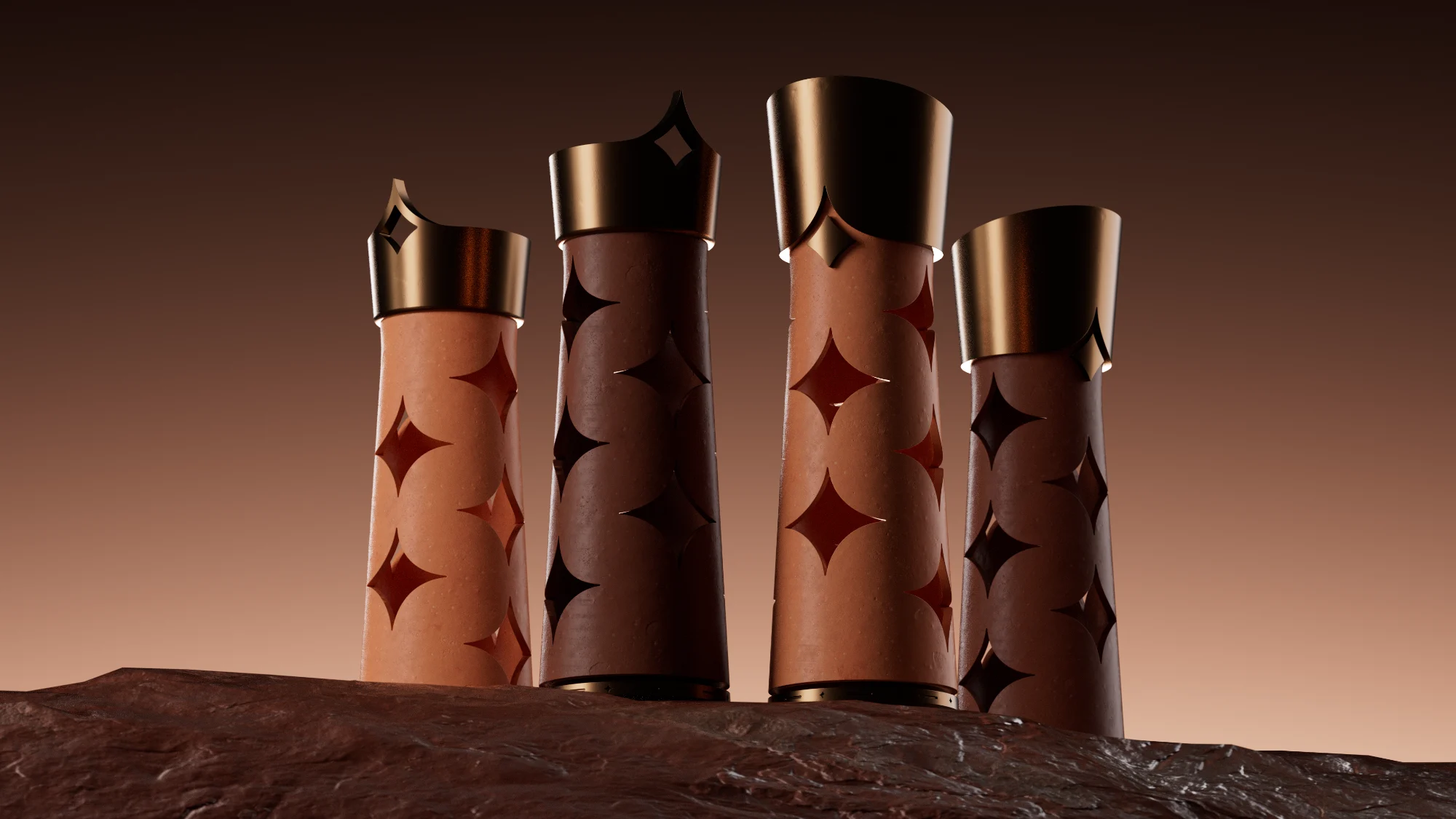
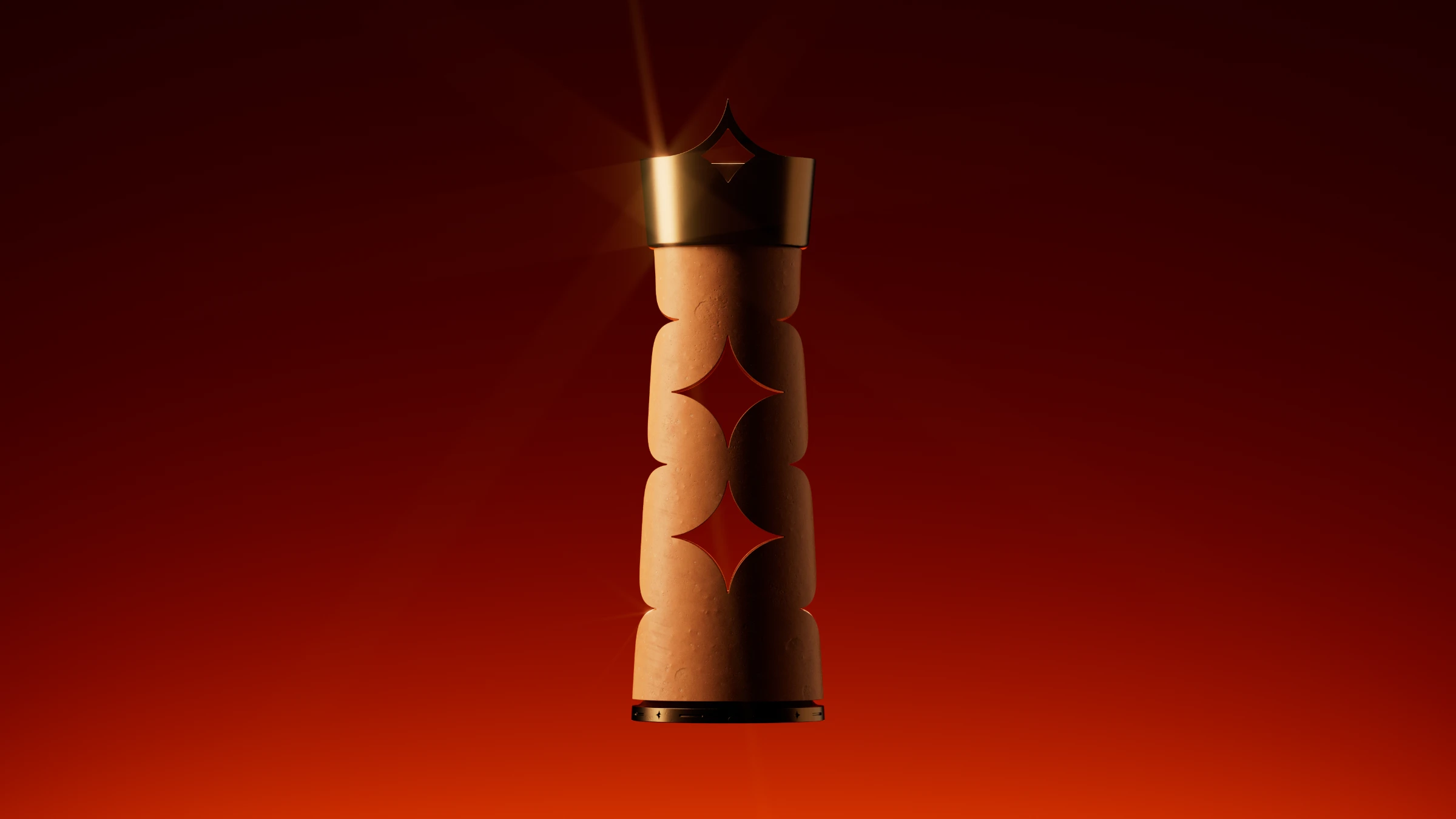

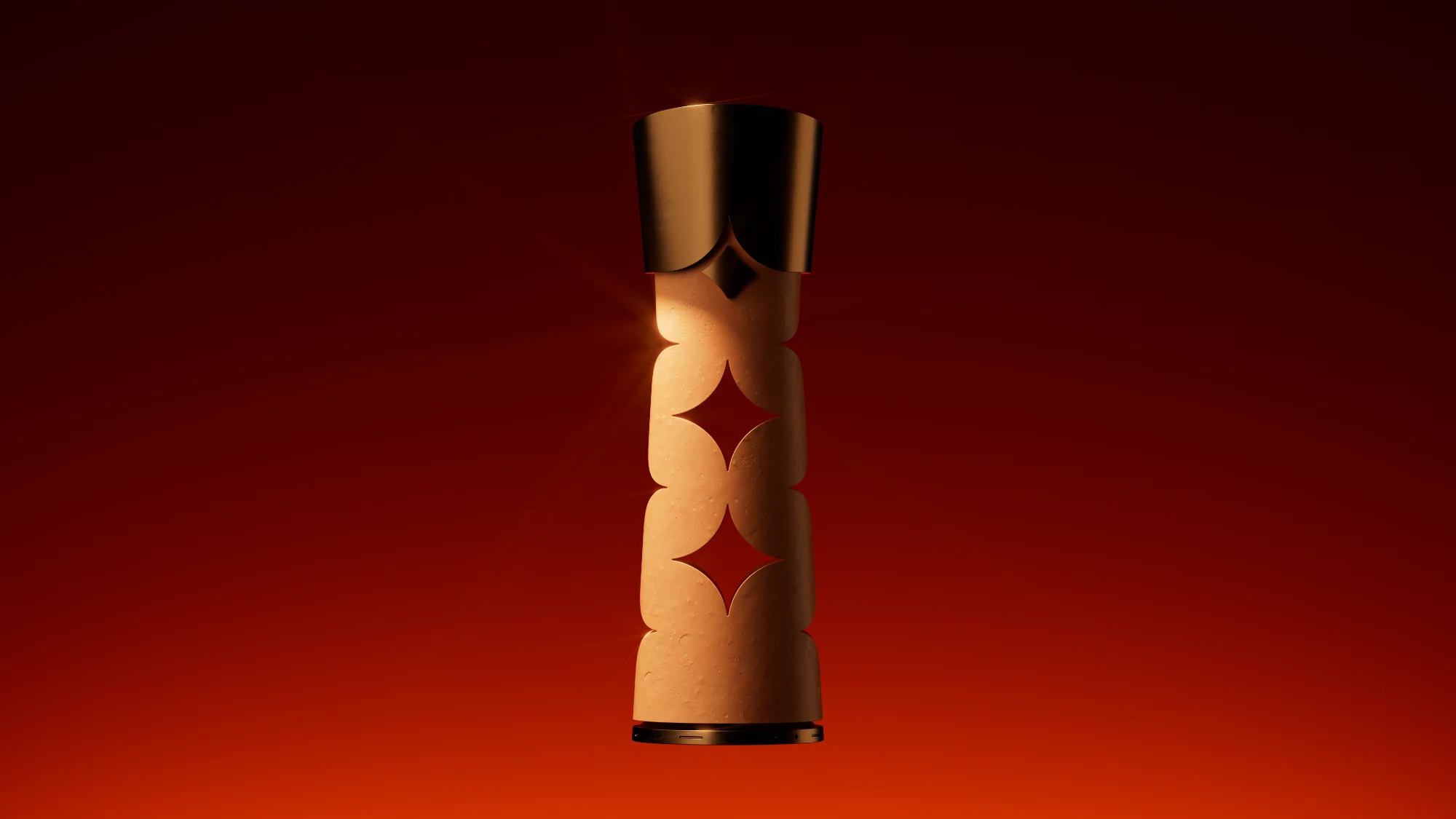
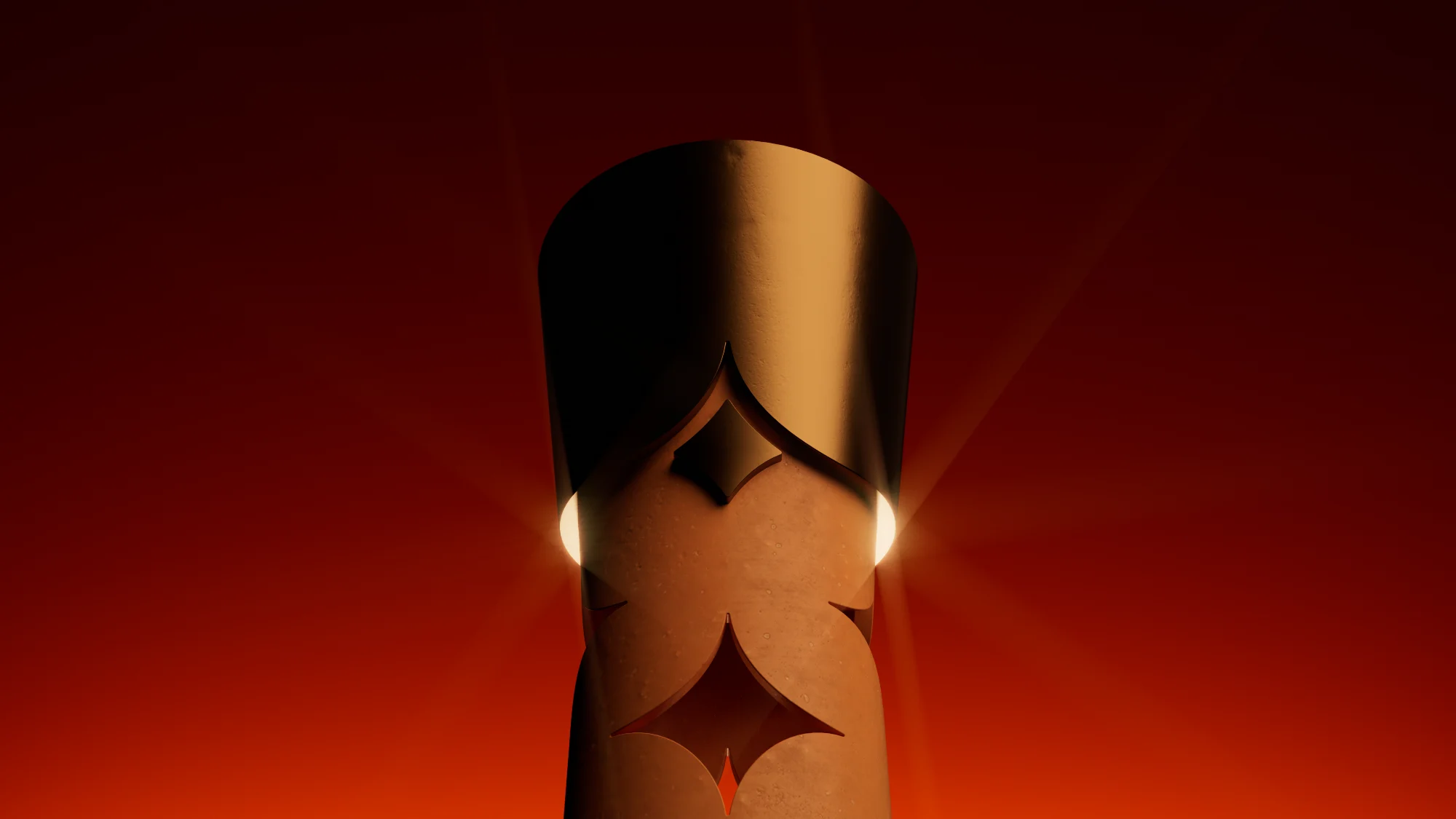

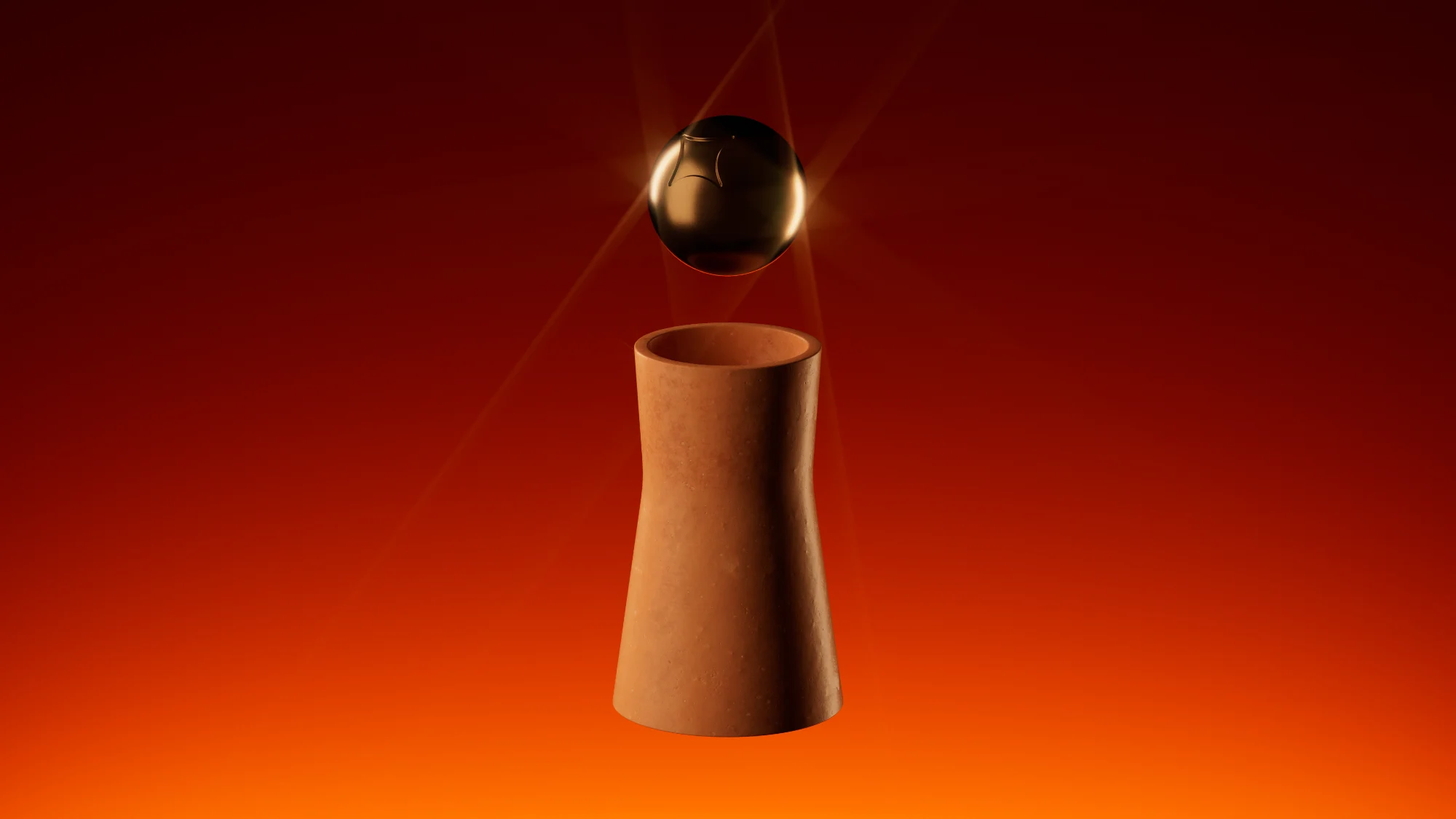
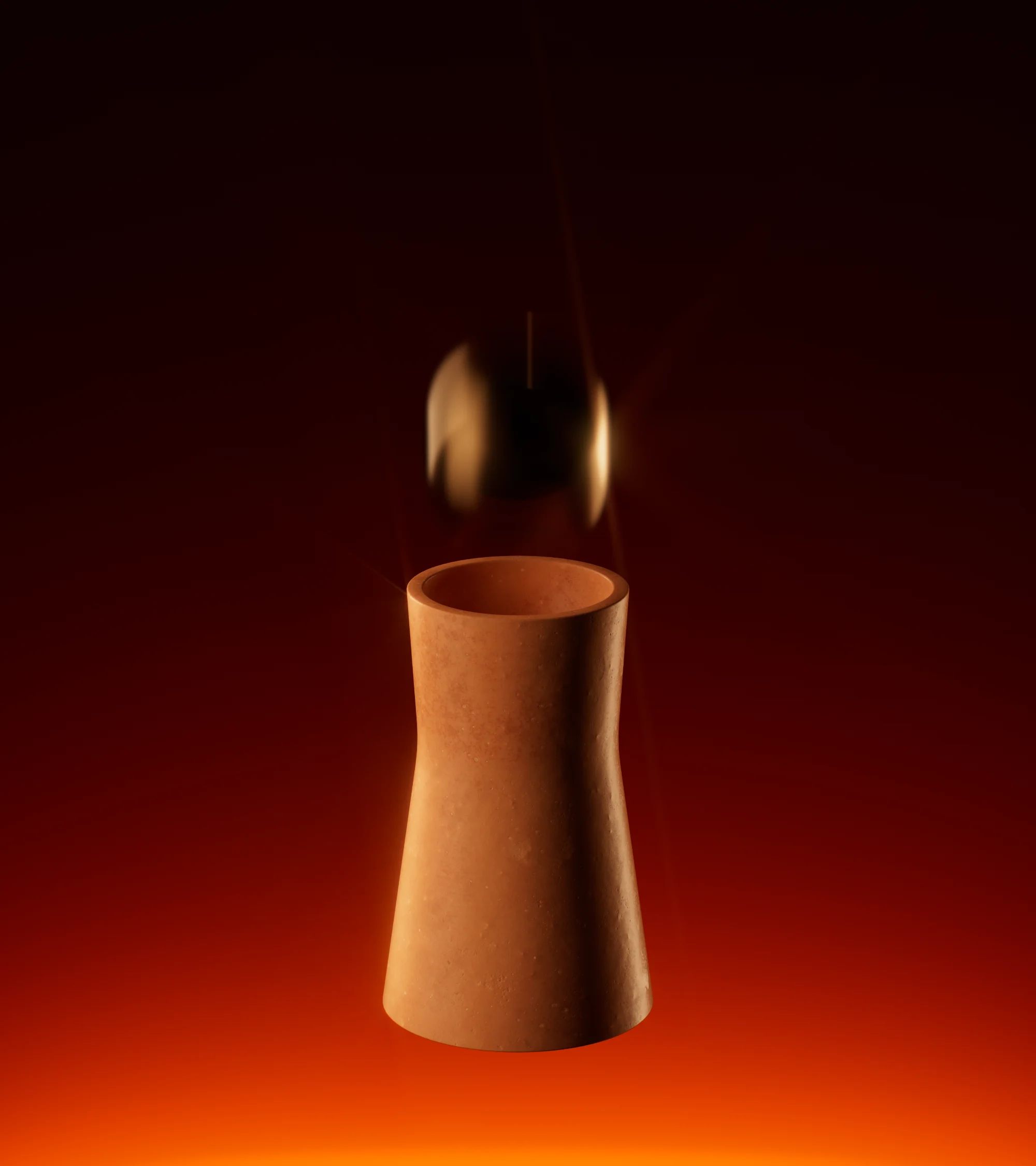
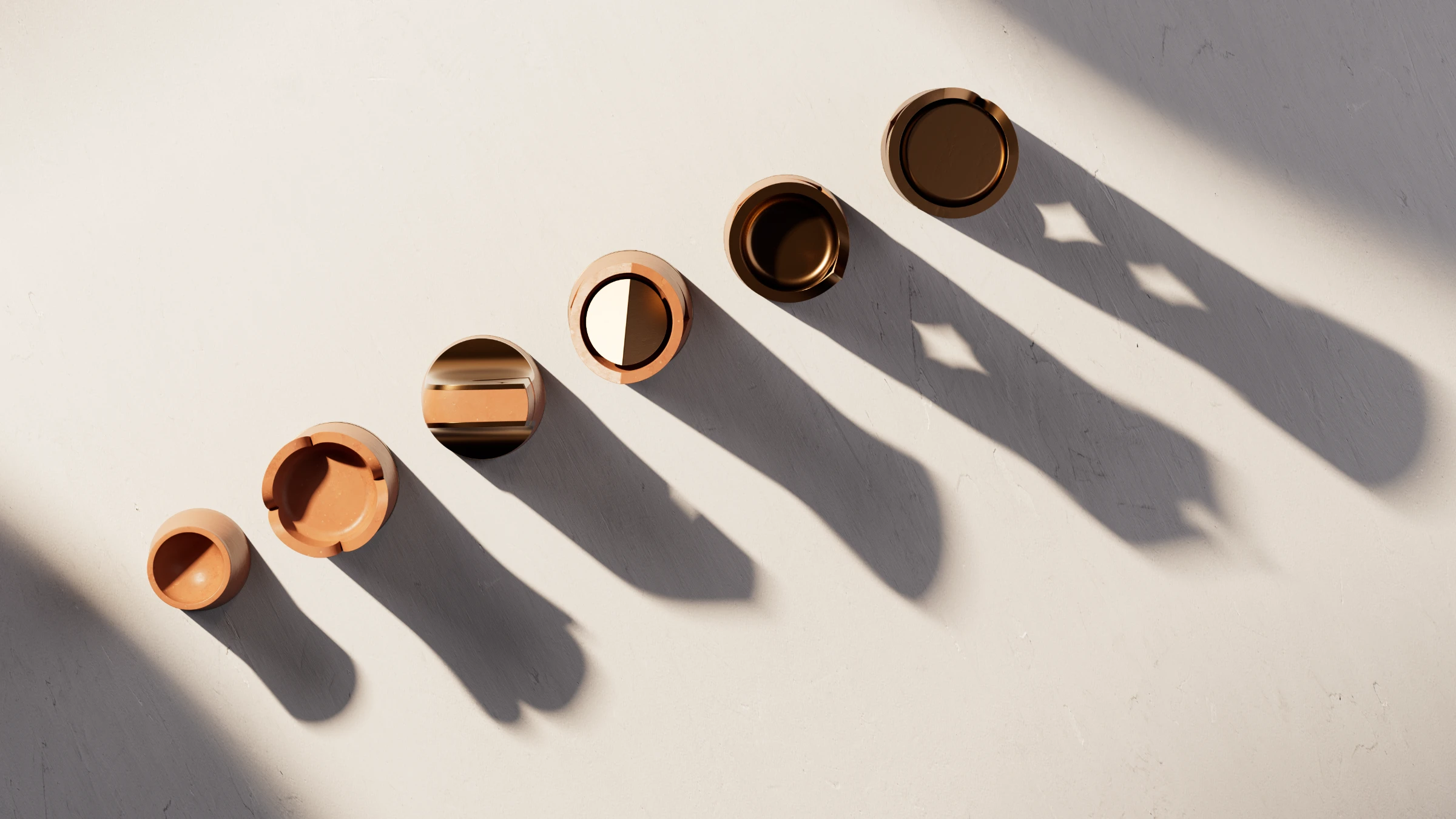
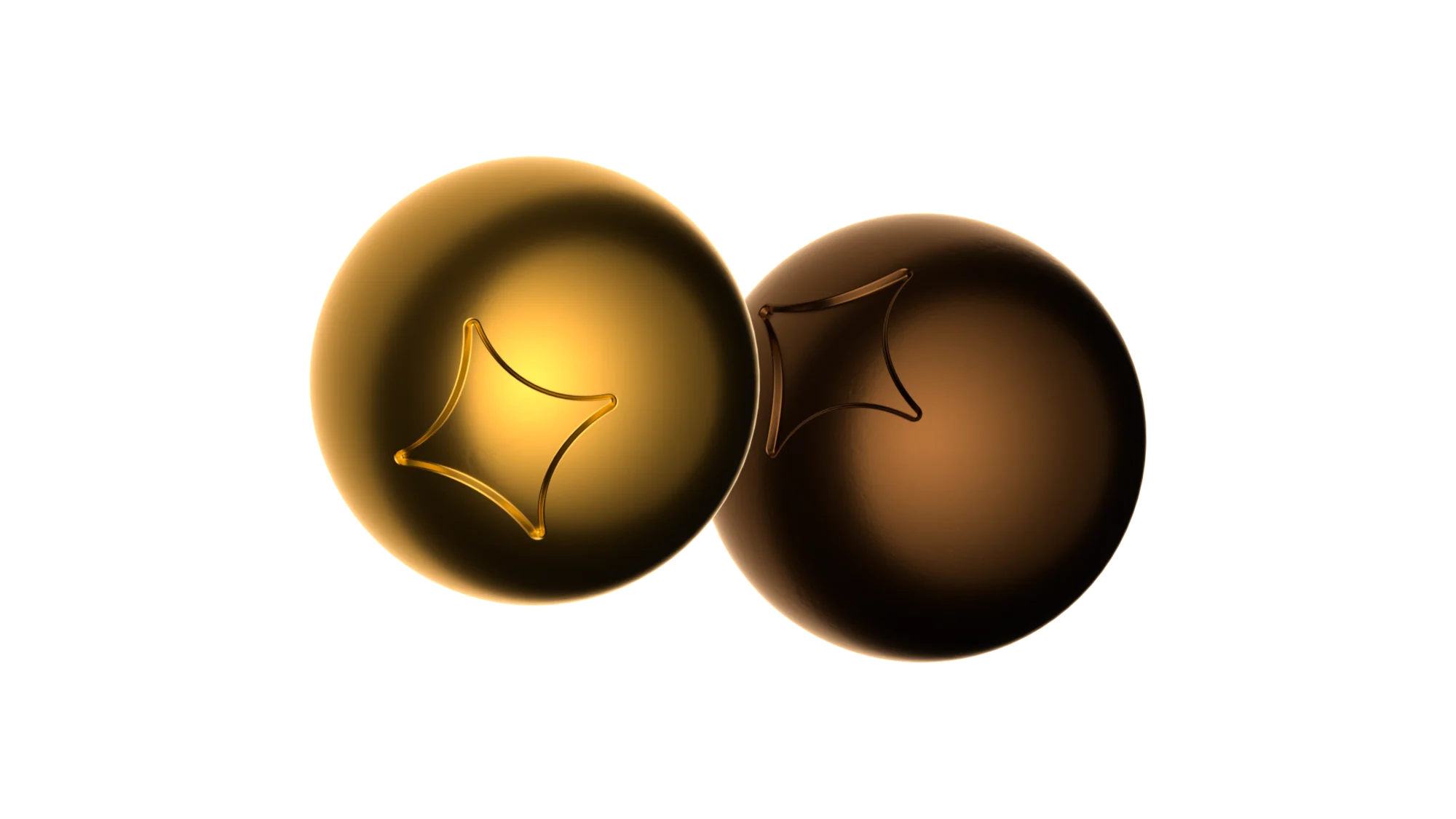
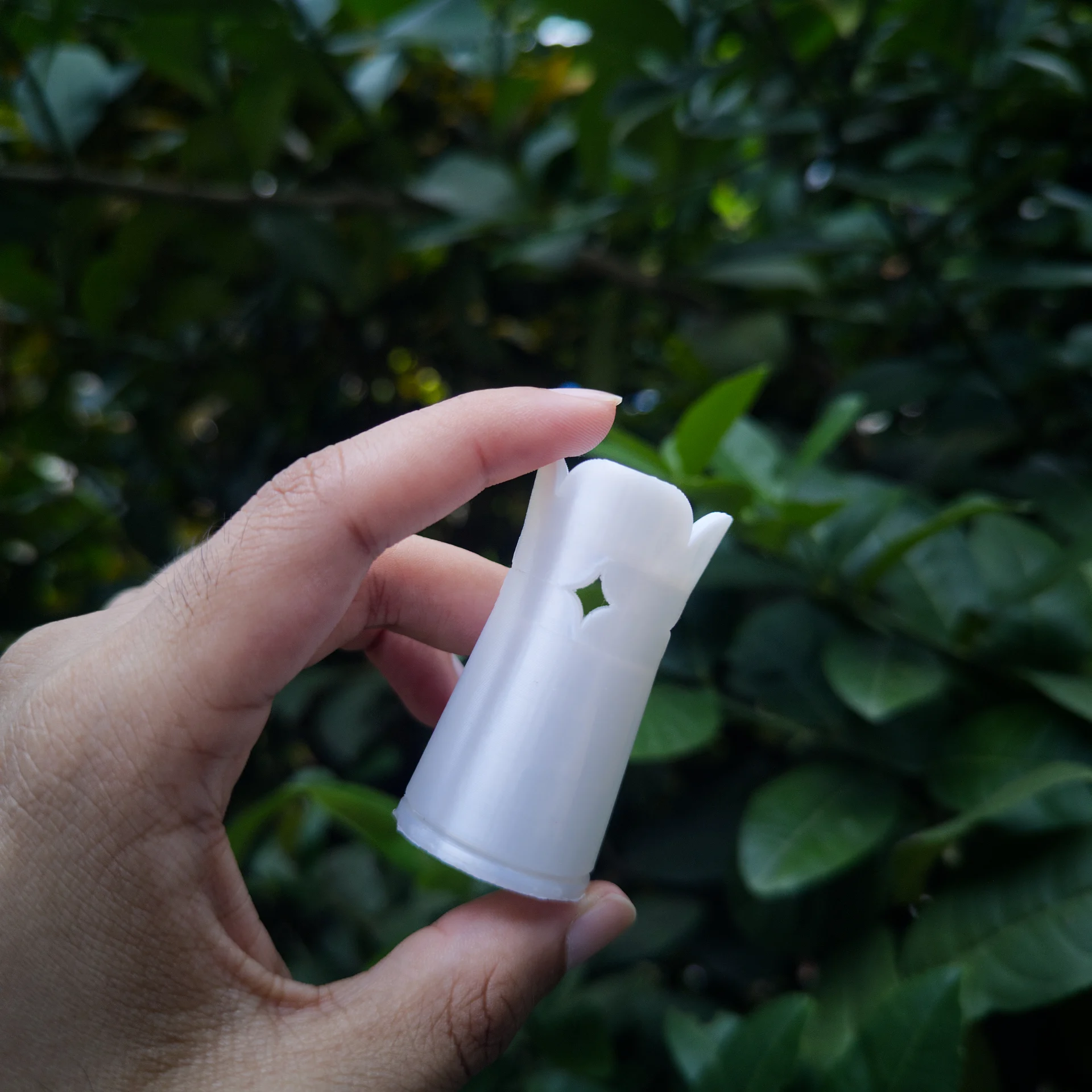
A soldier that survives the length of the board is finally allowed to fill the hollow it has carried since the opening move.
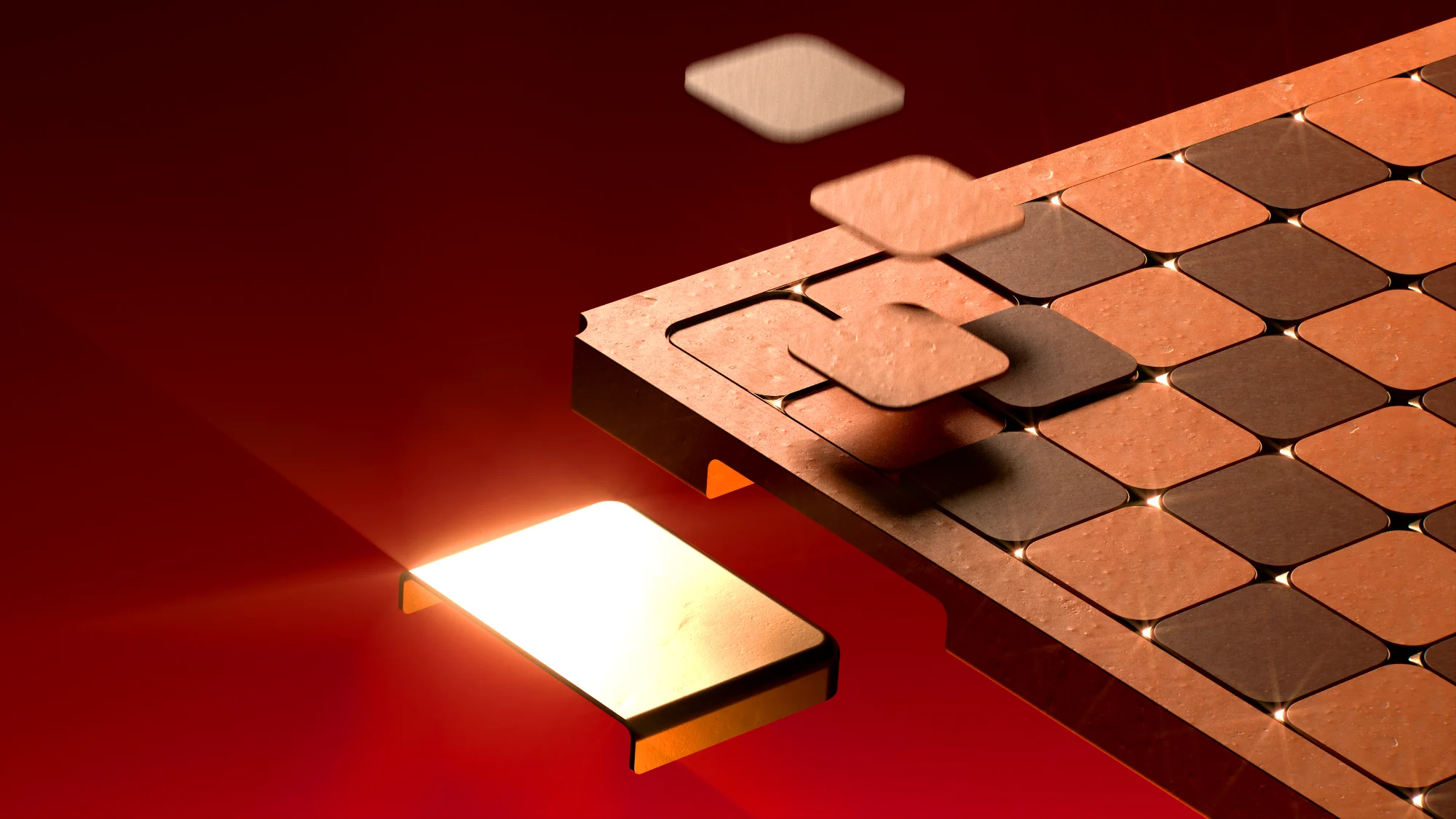
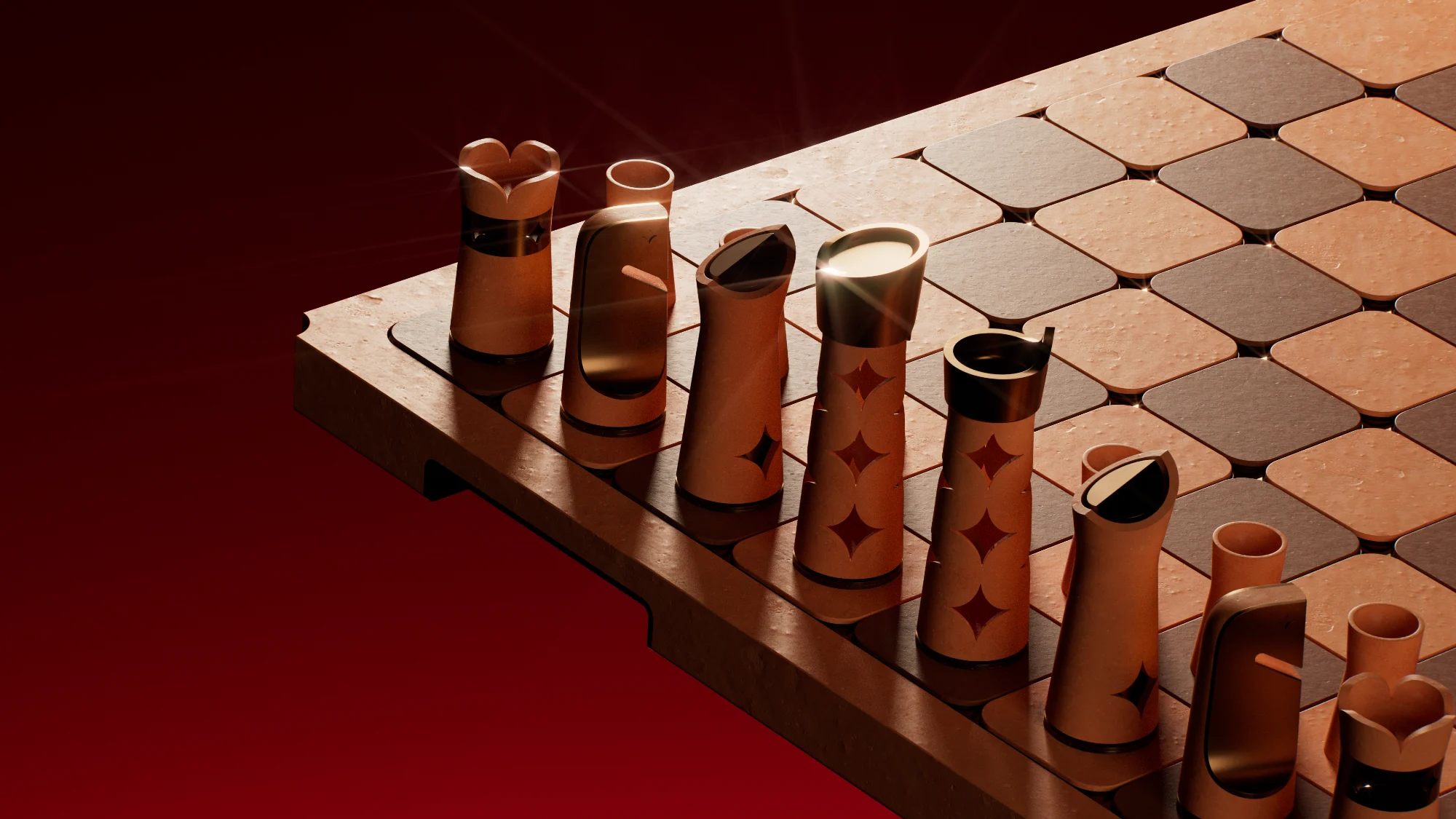
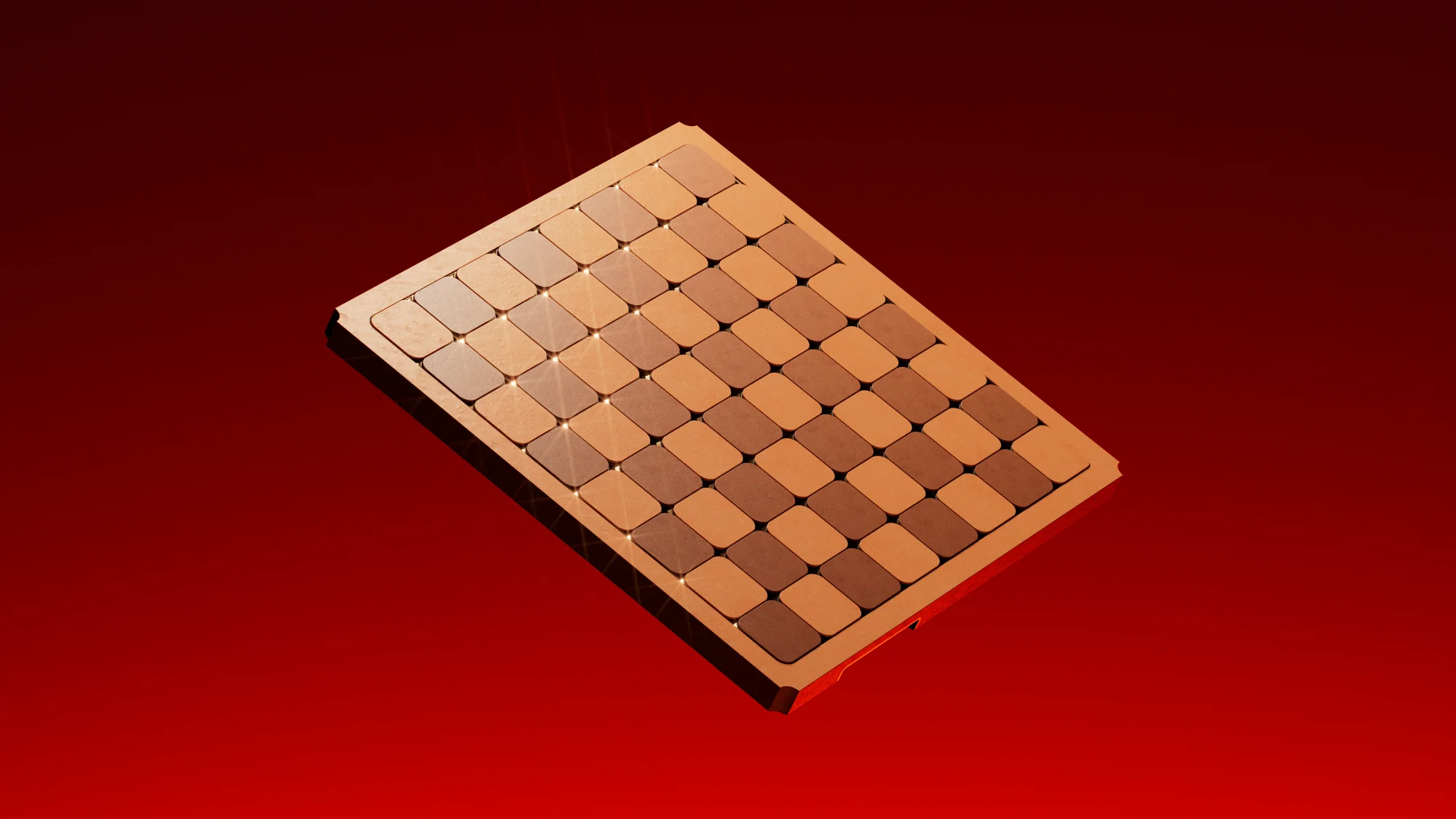
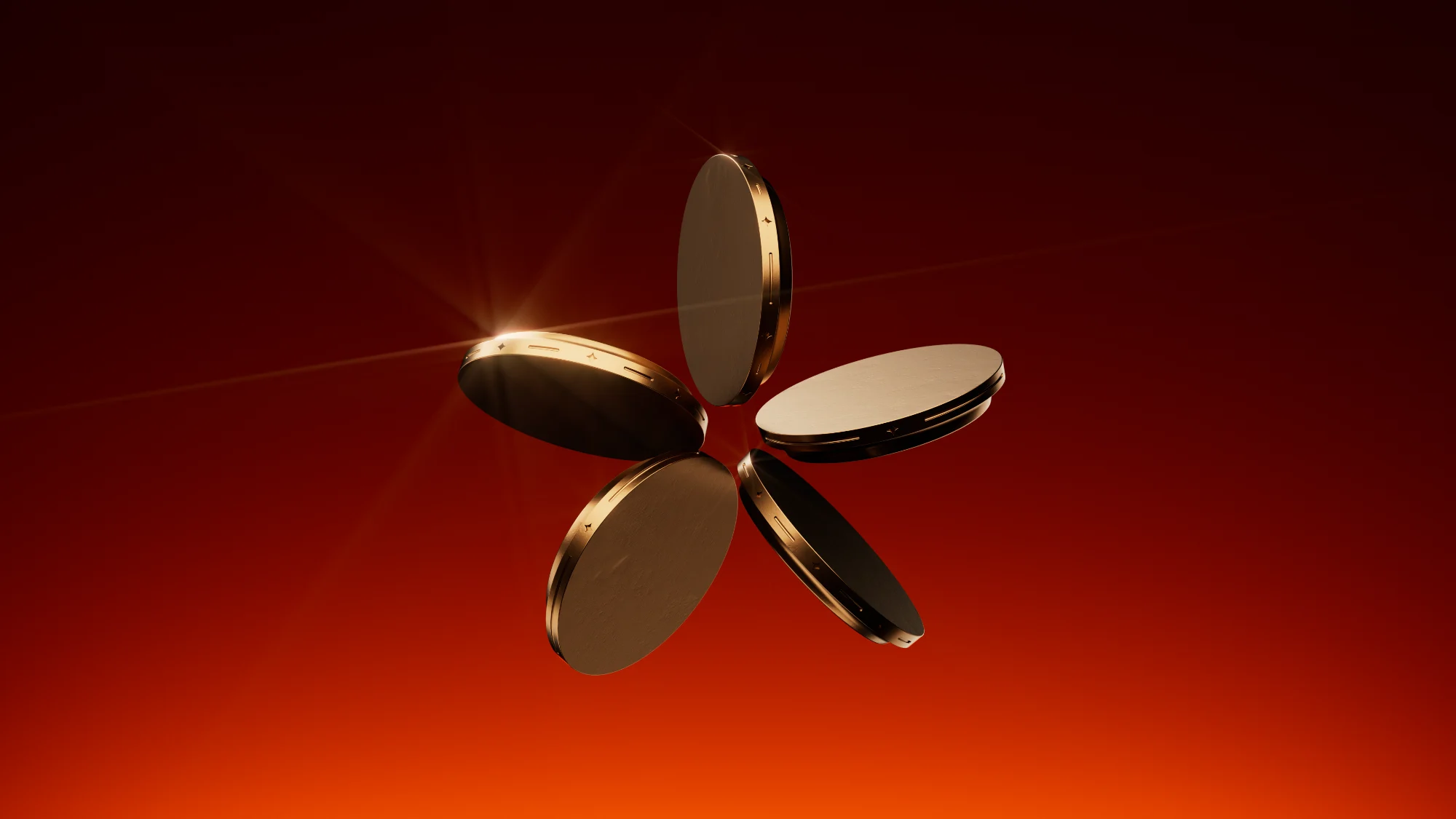
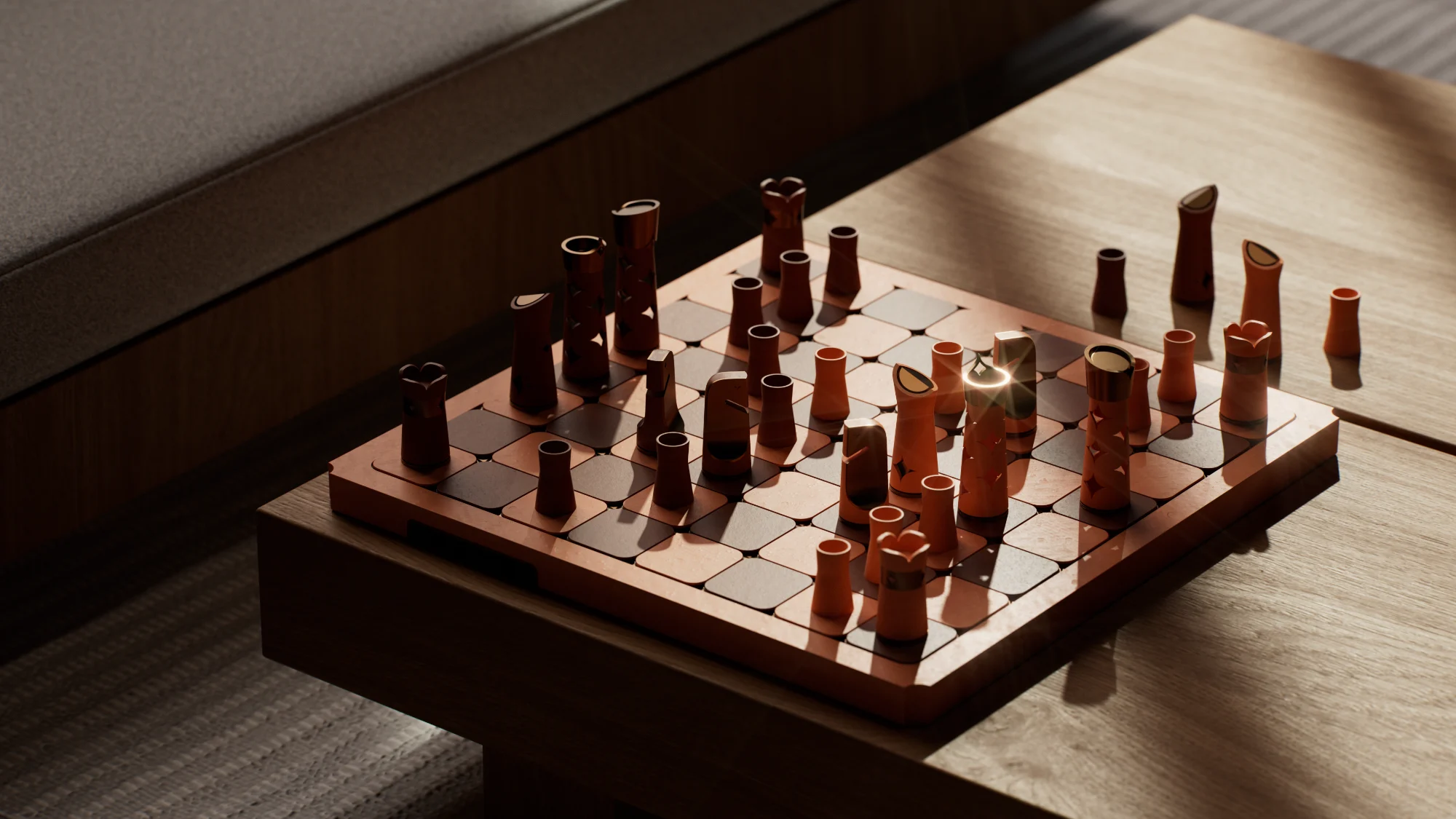
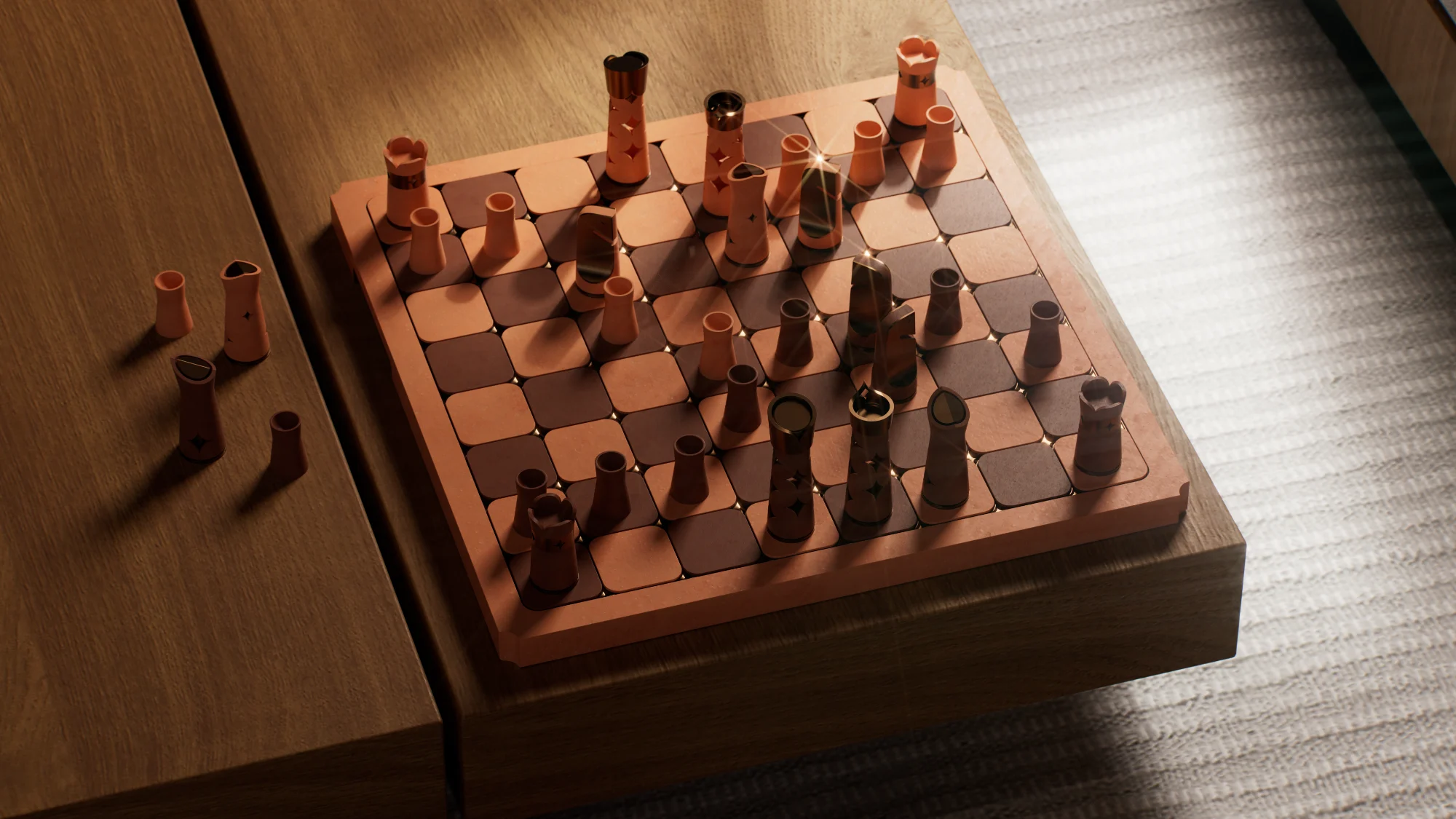
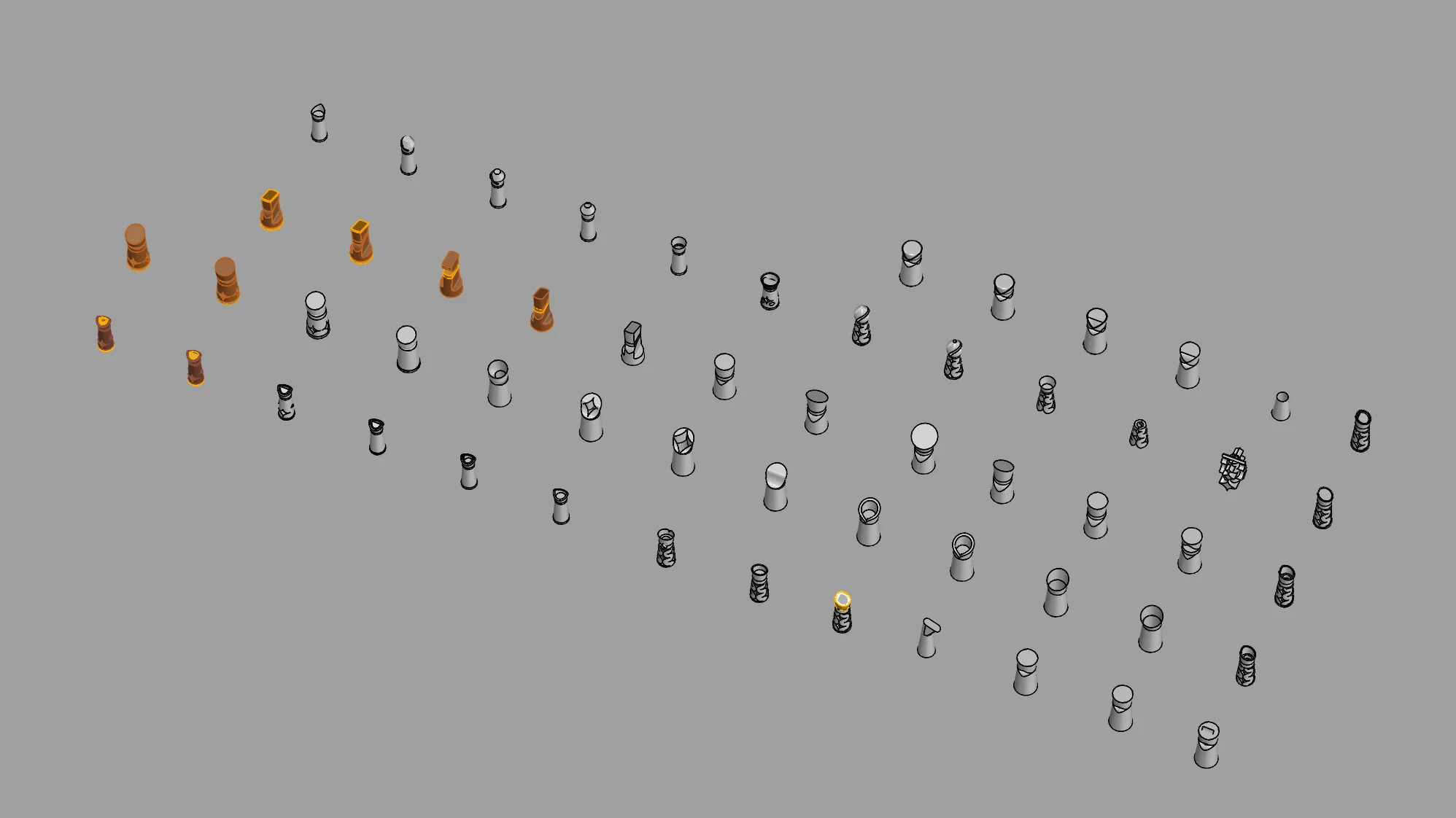
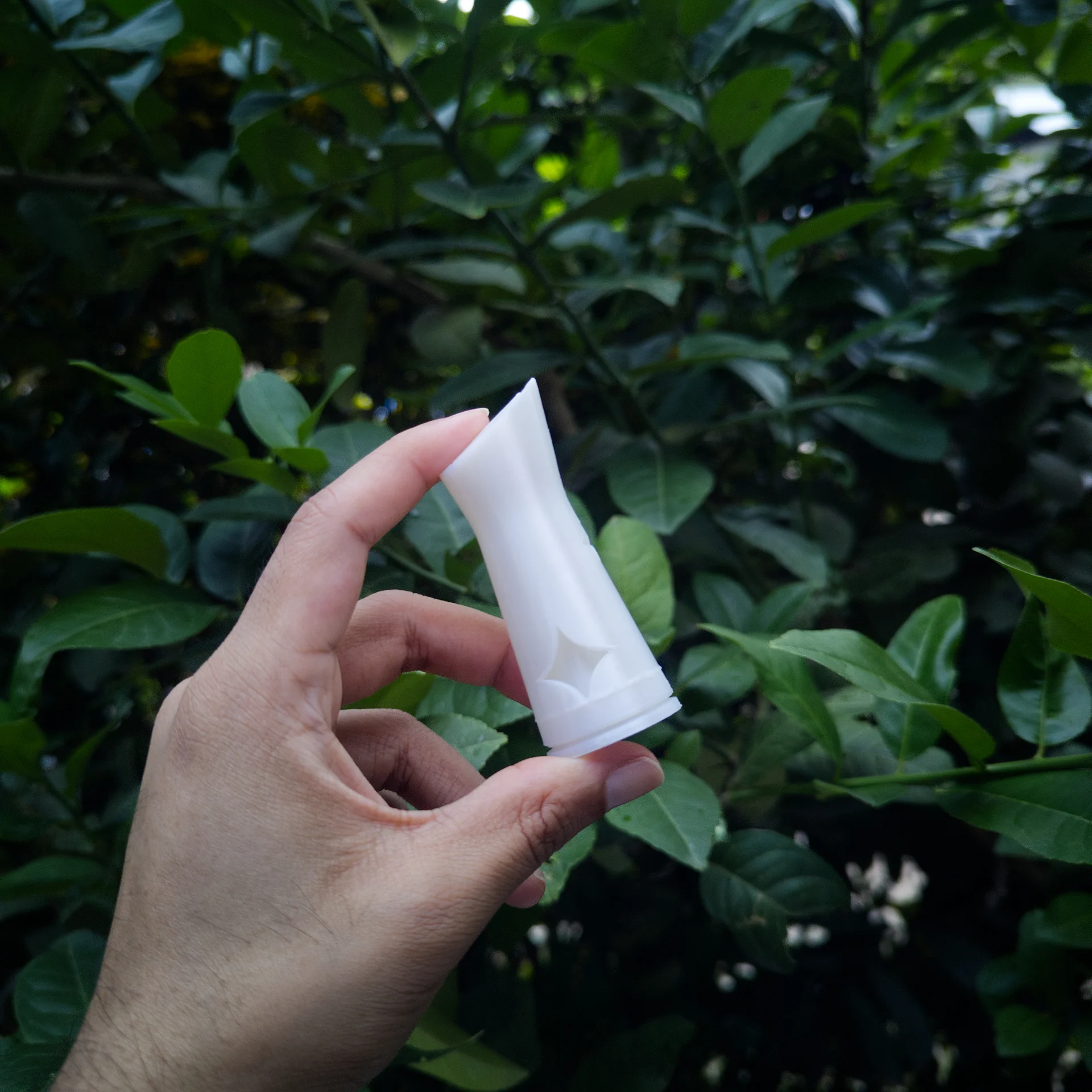
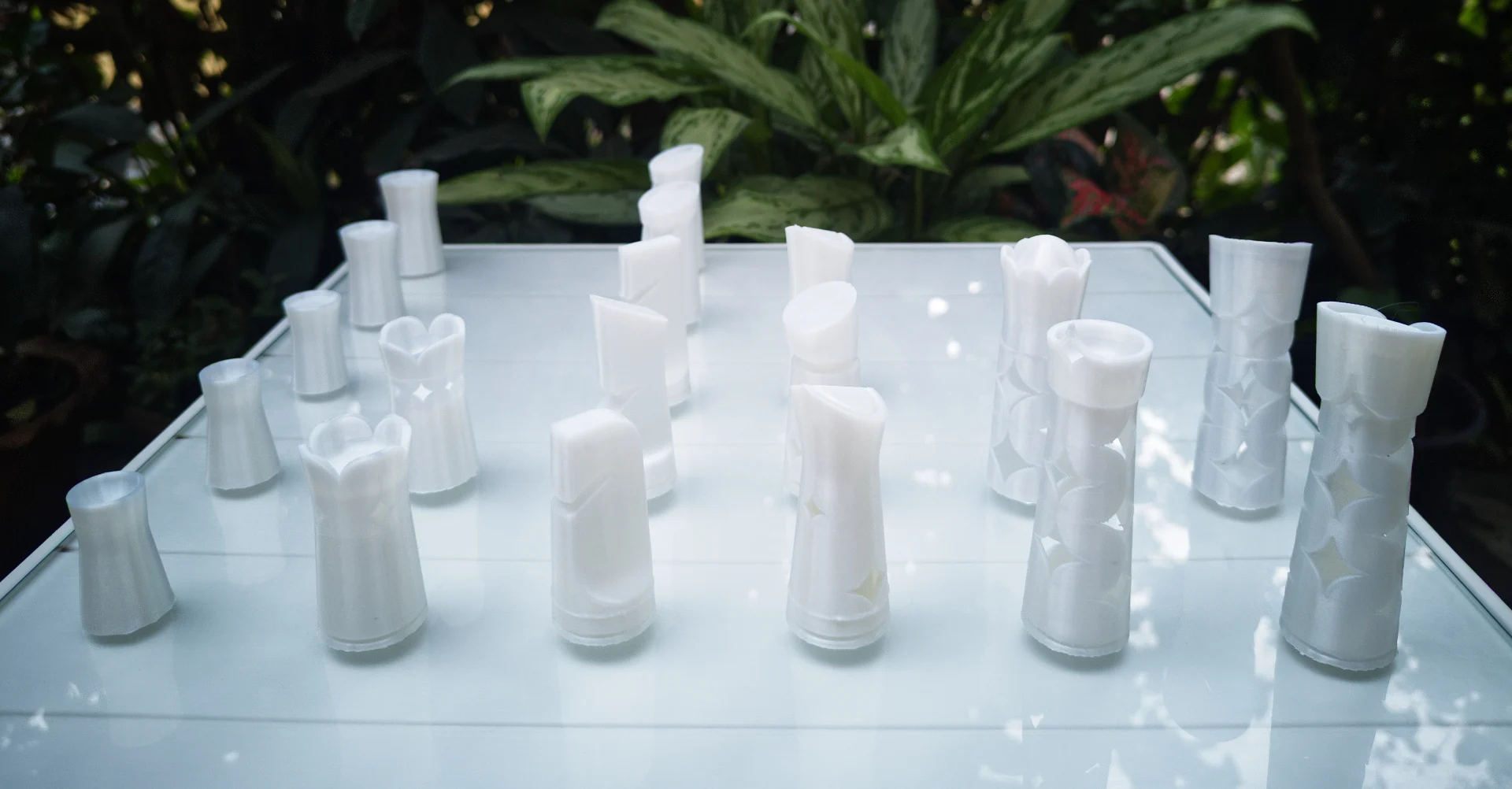
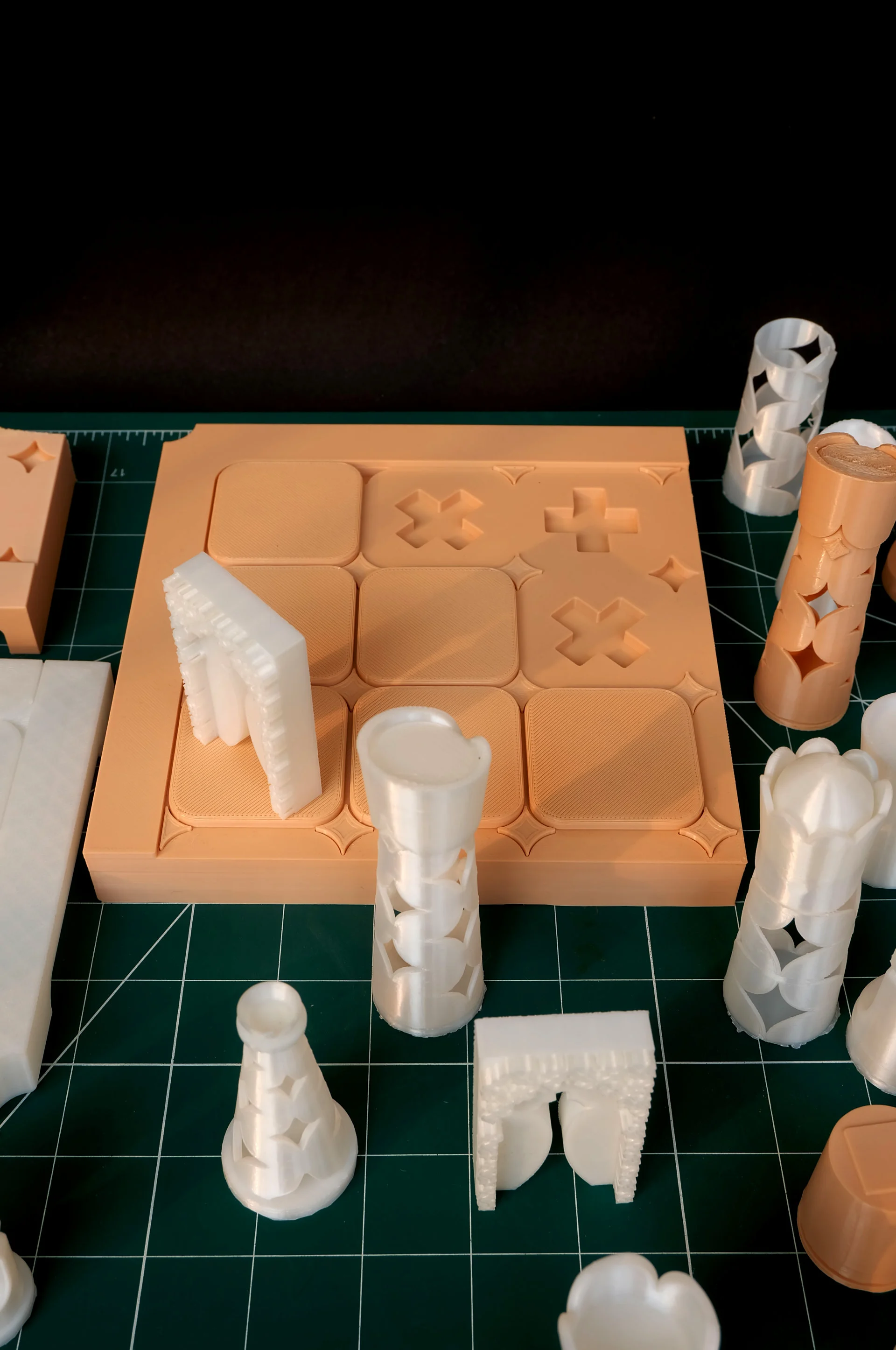
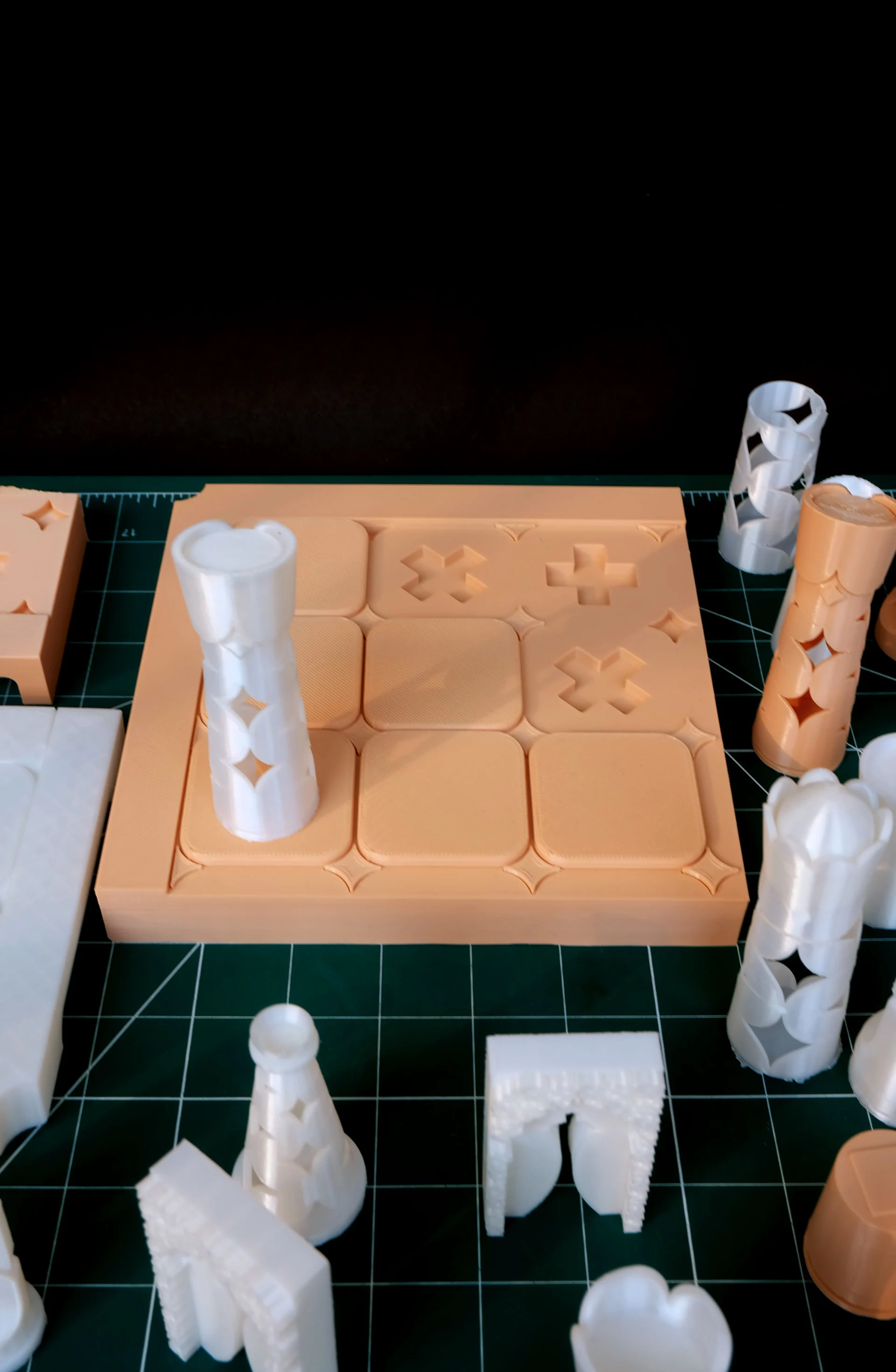
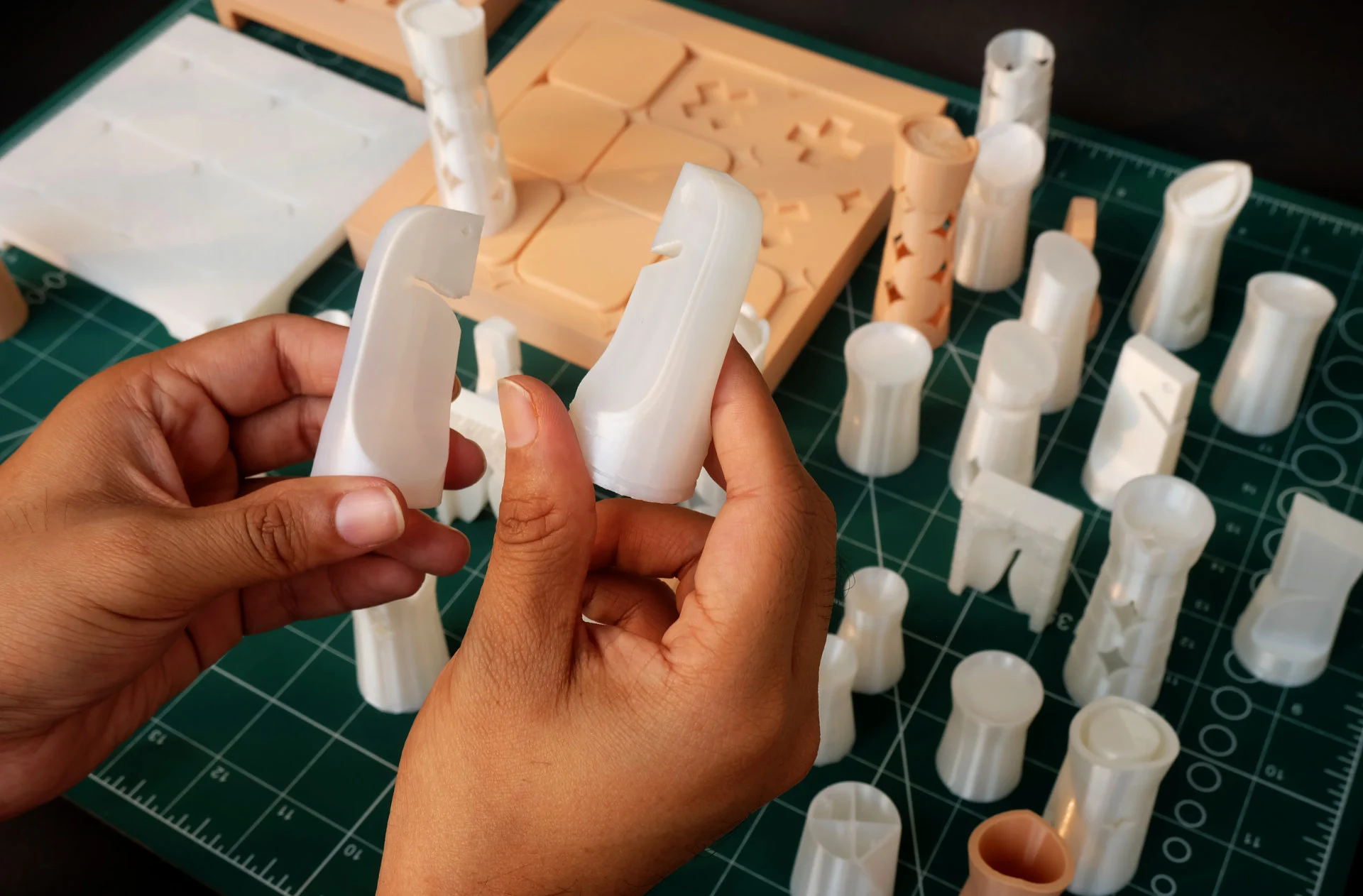
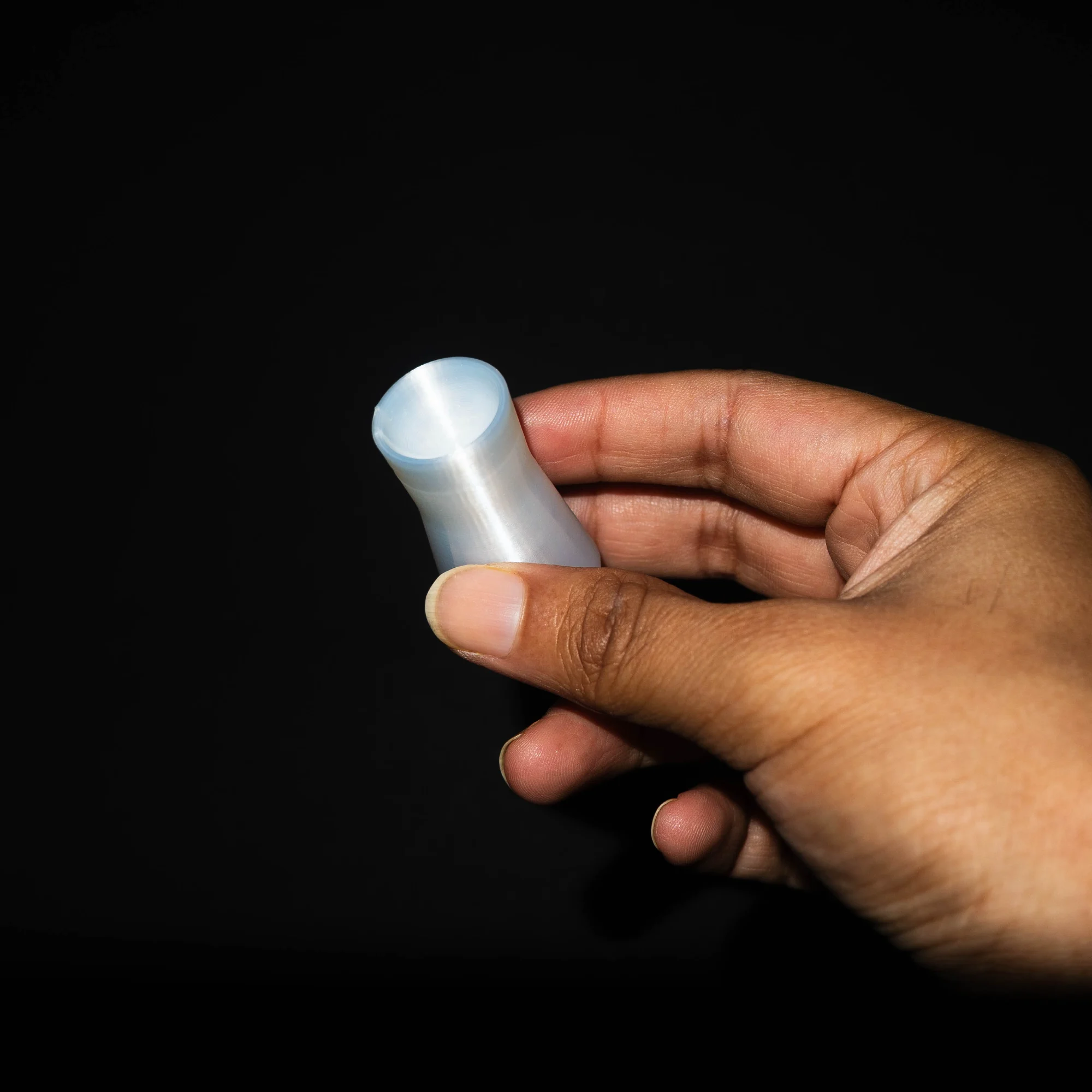
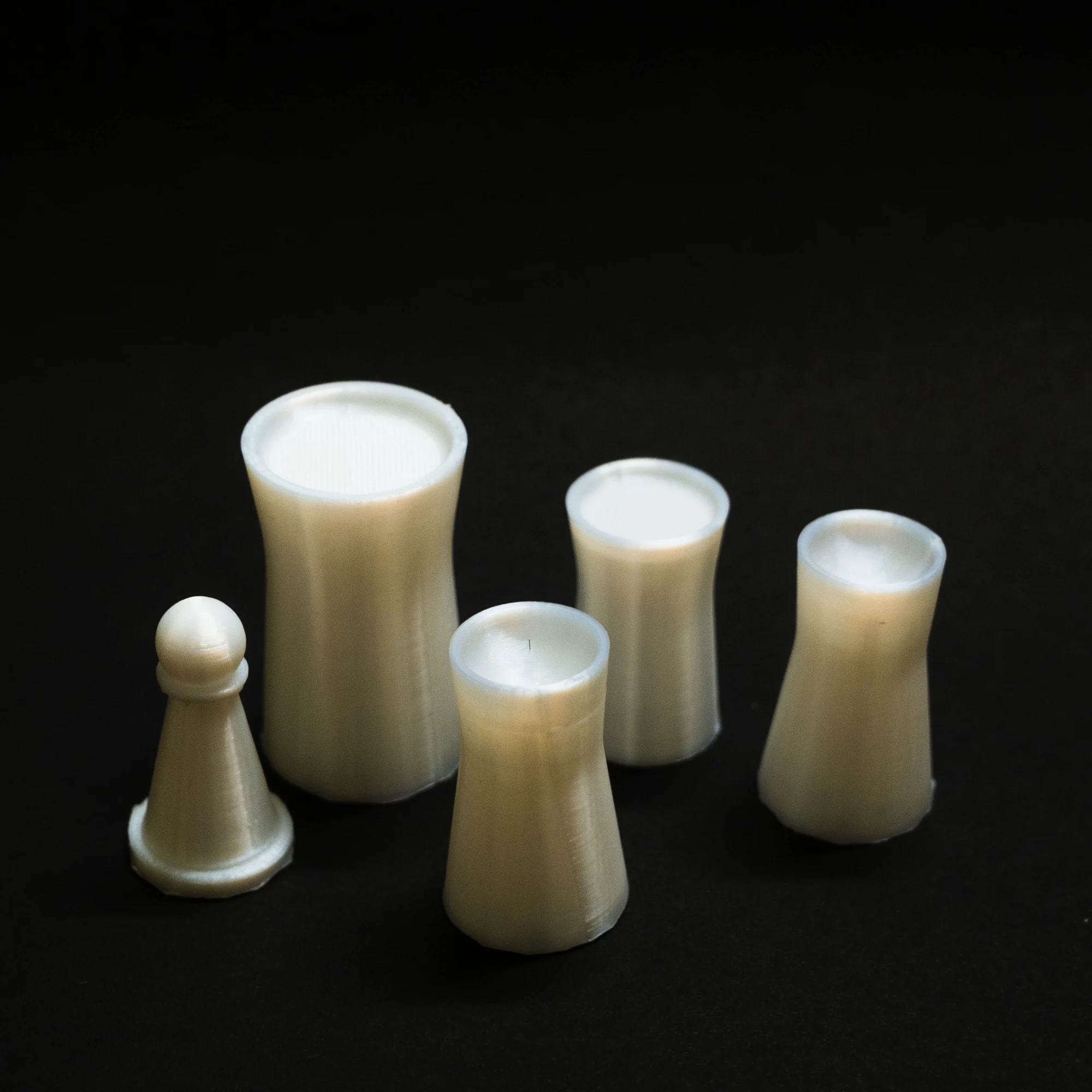
The brief was to distil modern India into a chess set — an unreasonable task for a country this plural, so we followed a single thread rather than attempting a survey: light and shadow, terracotta and bronze, and the class distinctions that run beneath both. Chess arrives with a hierarchy already built into it. We let the two structures overlap, and kept the argument beneath the surface rather than announcing it.
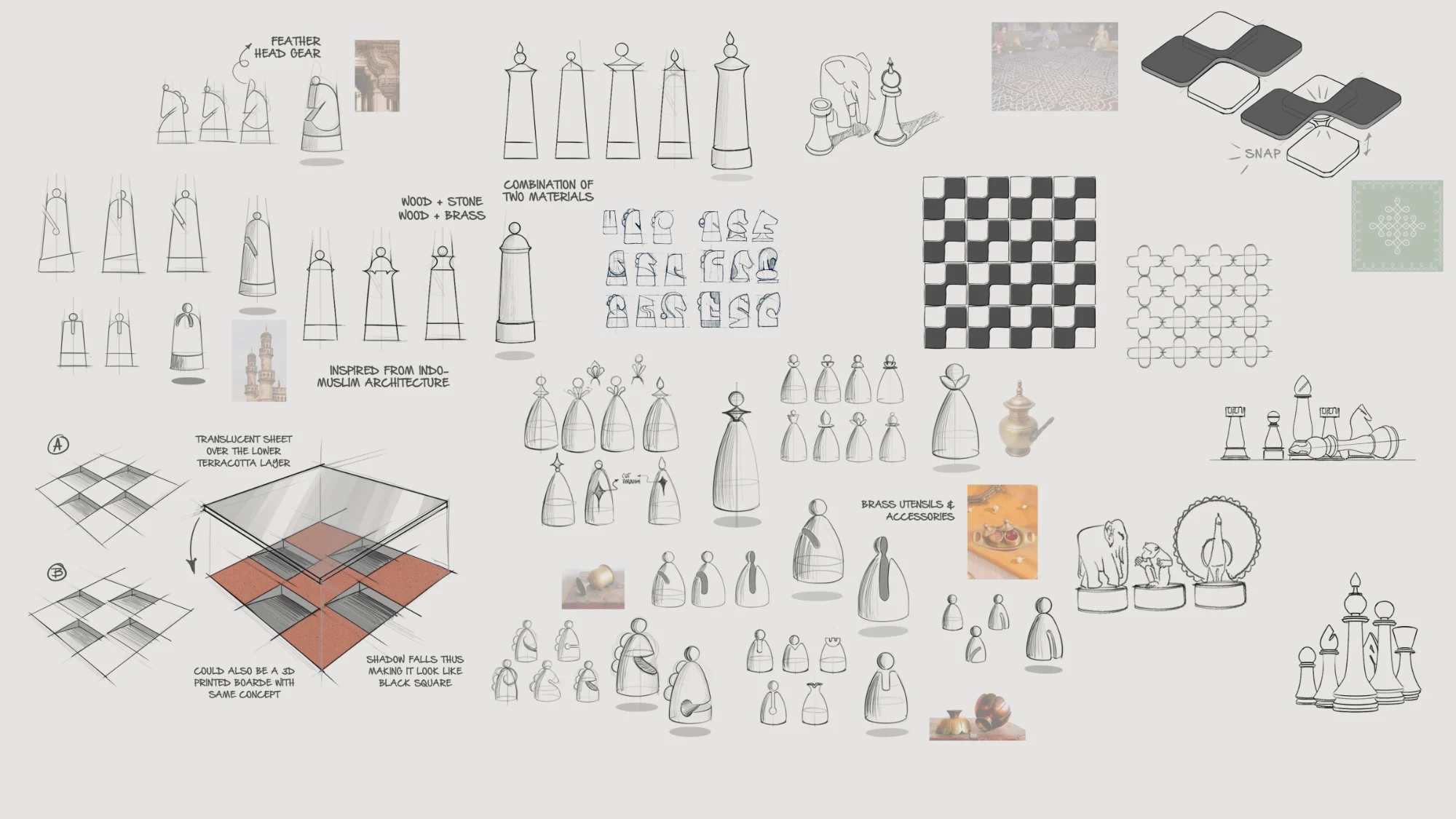
Jali became the design language. Its latticework fragments light much as a Diwali diya does, and in the Mahabharata and the Ramayana light stands for knowledge and for the eventual victory of good. It also drew a boundary: jali was carved for palaces and havelis, and it decided who belonged inside the household and who was merely visible from the street.
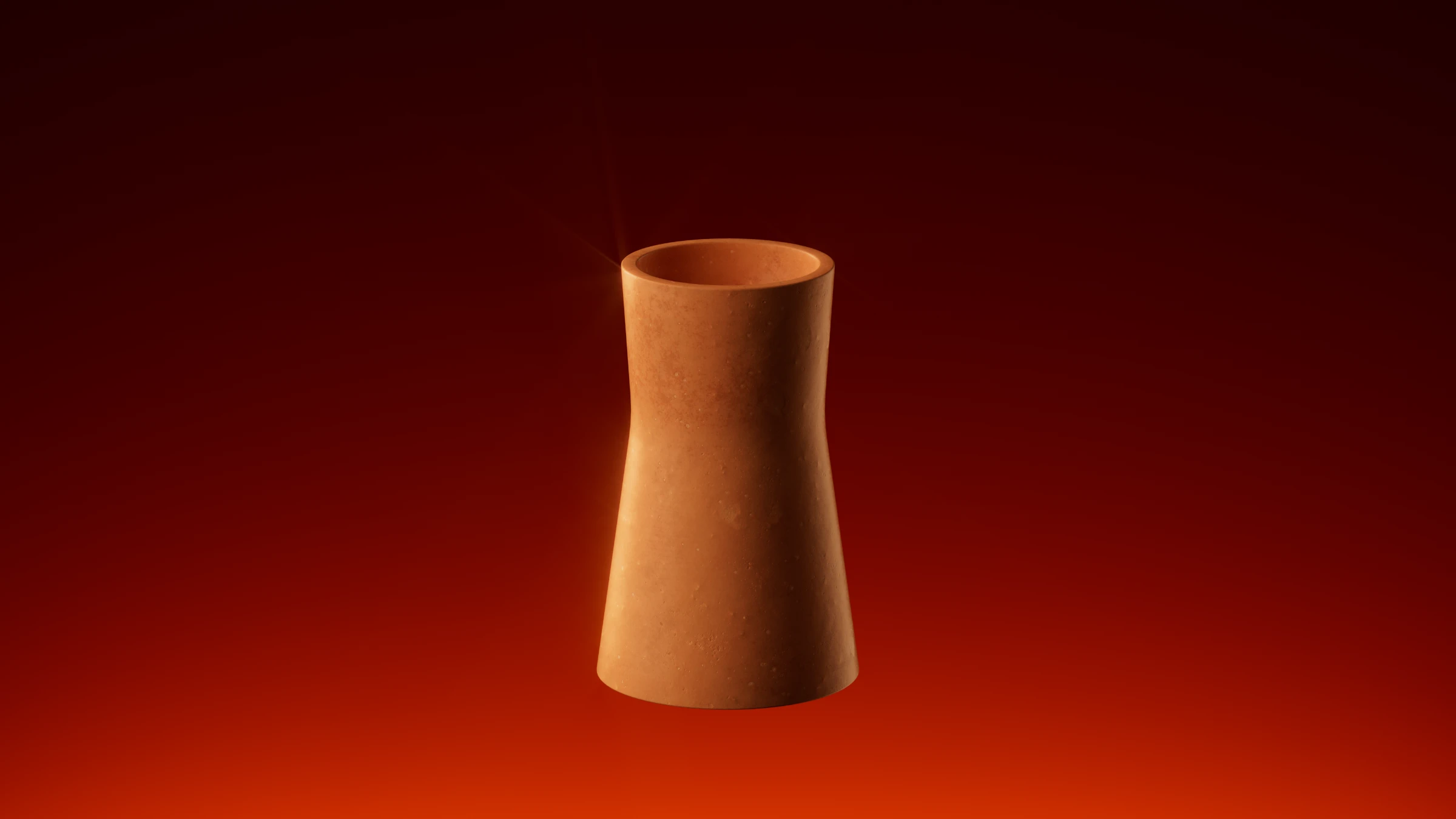
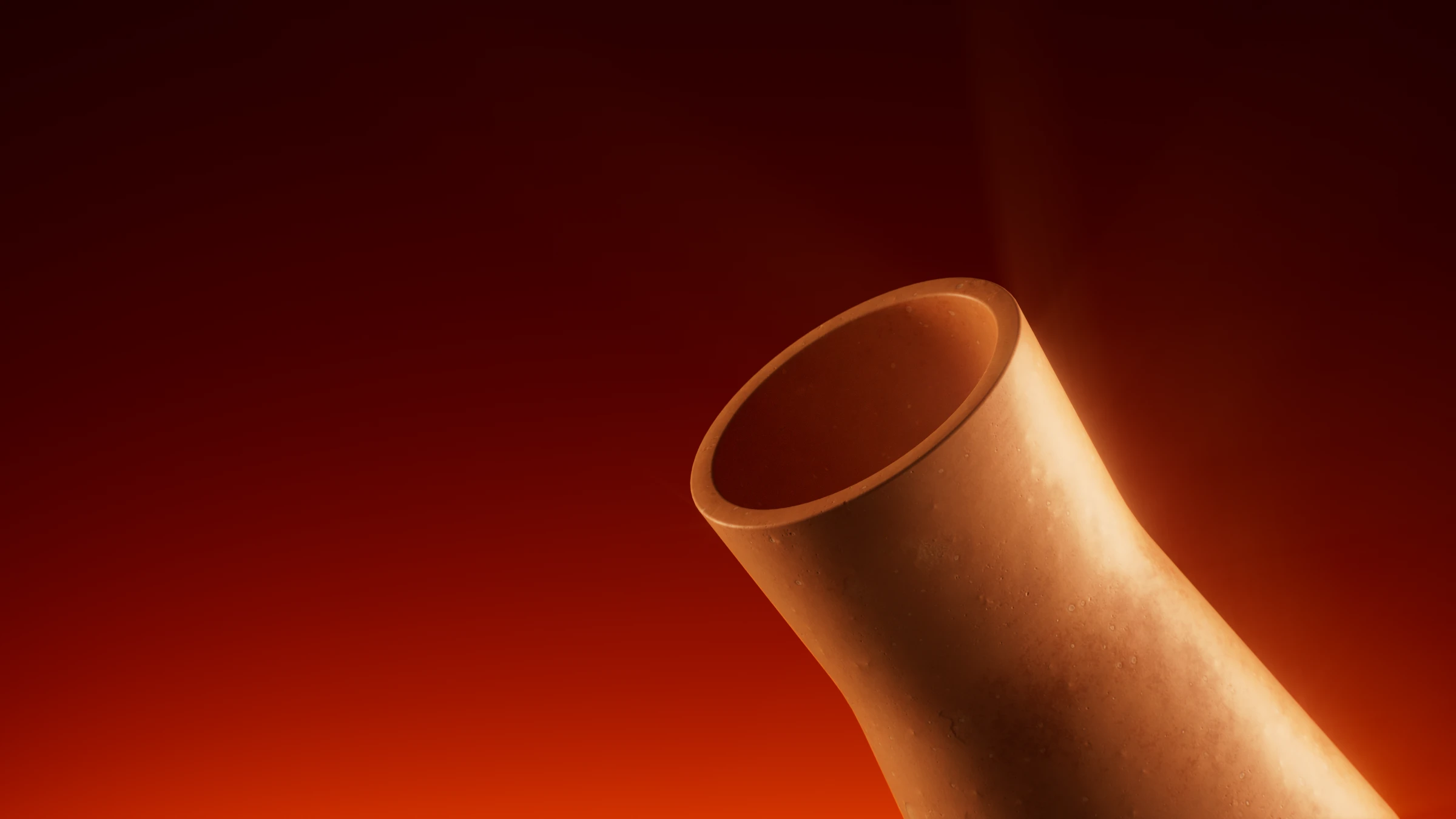
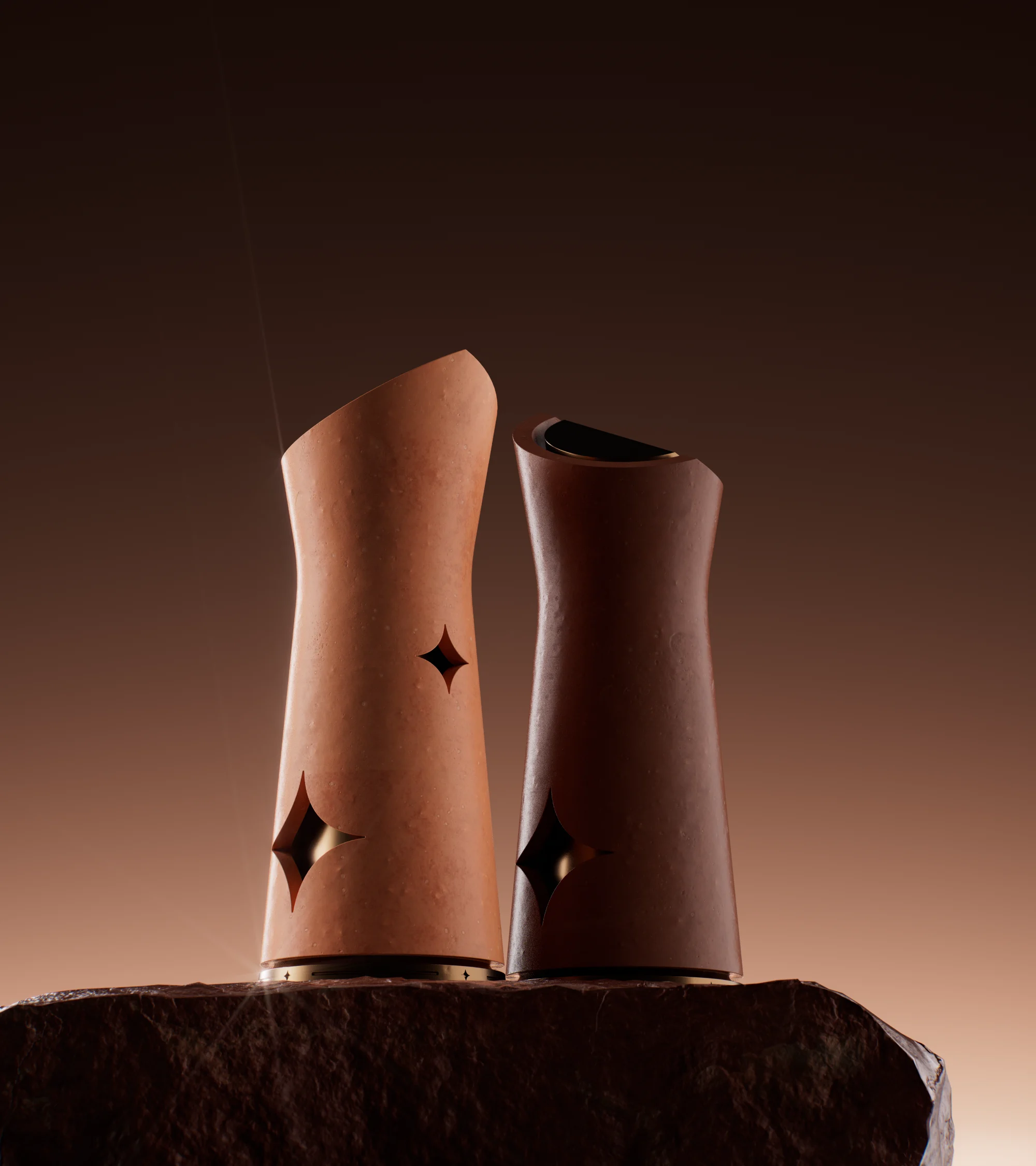
The materials carry the same division. Terracotta belongs to the diya, the village pot and the folk figure: inexpensive, local, and present in every household. Bronze and brass belong to the temple idol and the ceremonial object, historically reserved for royalty. It is a distinction drawn along history, caste and money, and one that Indians still live inside.
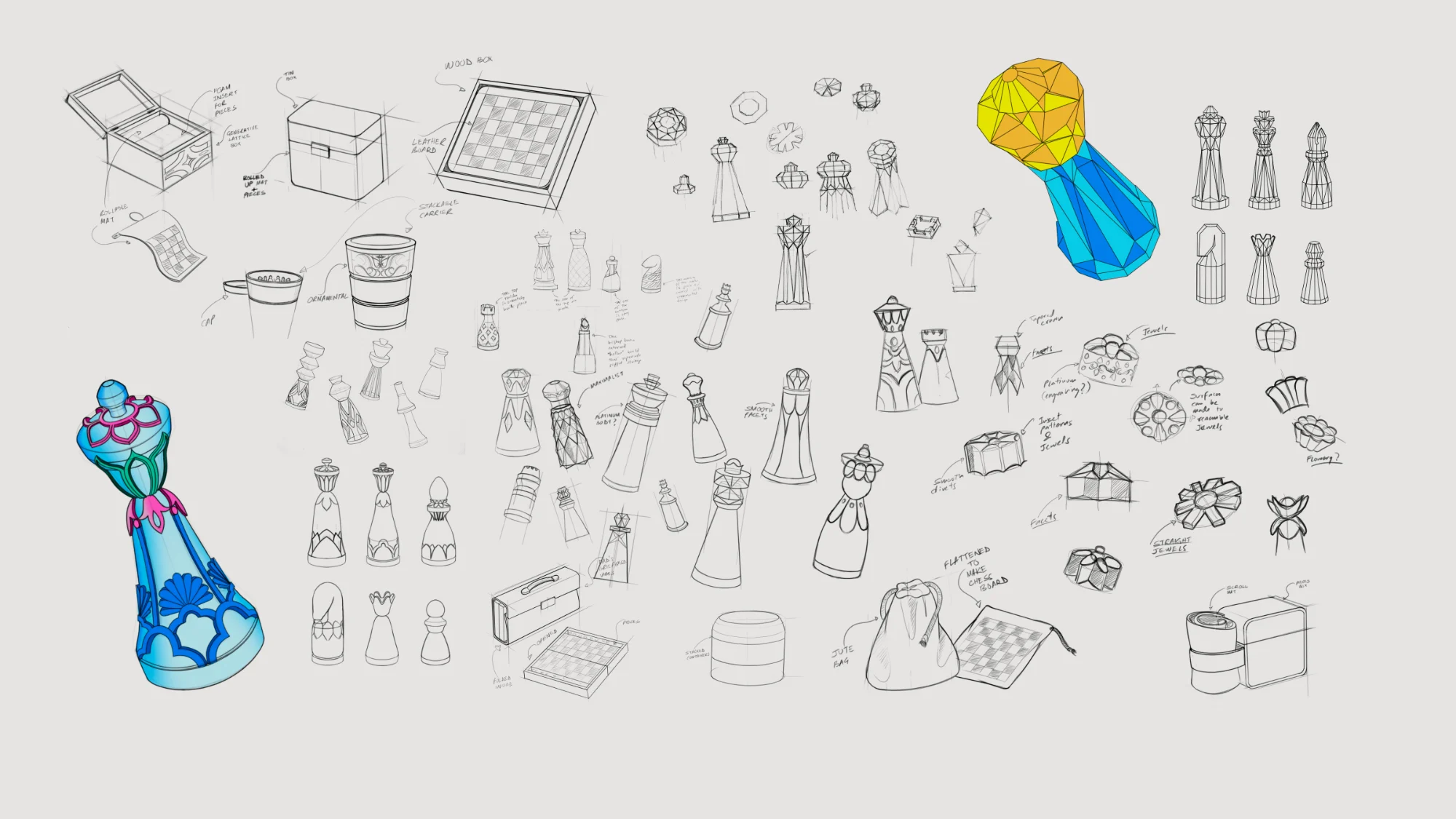
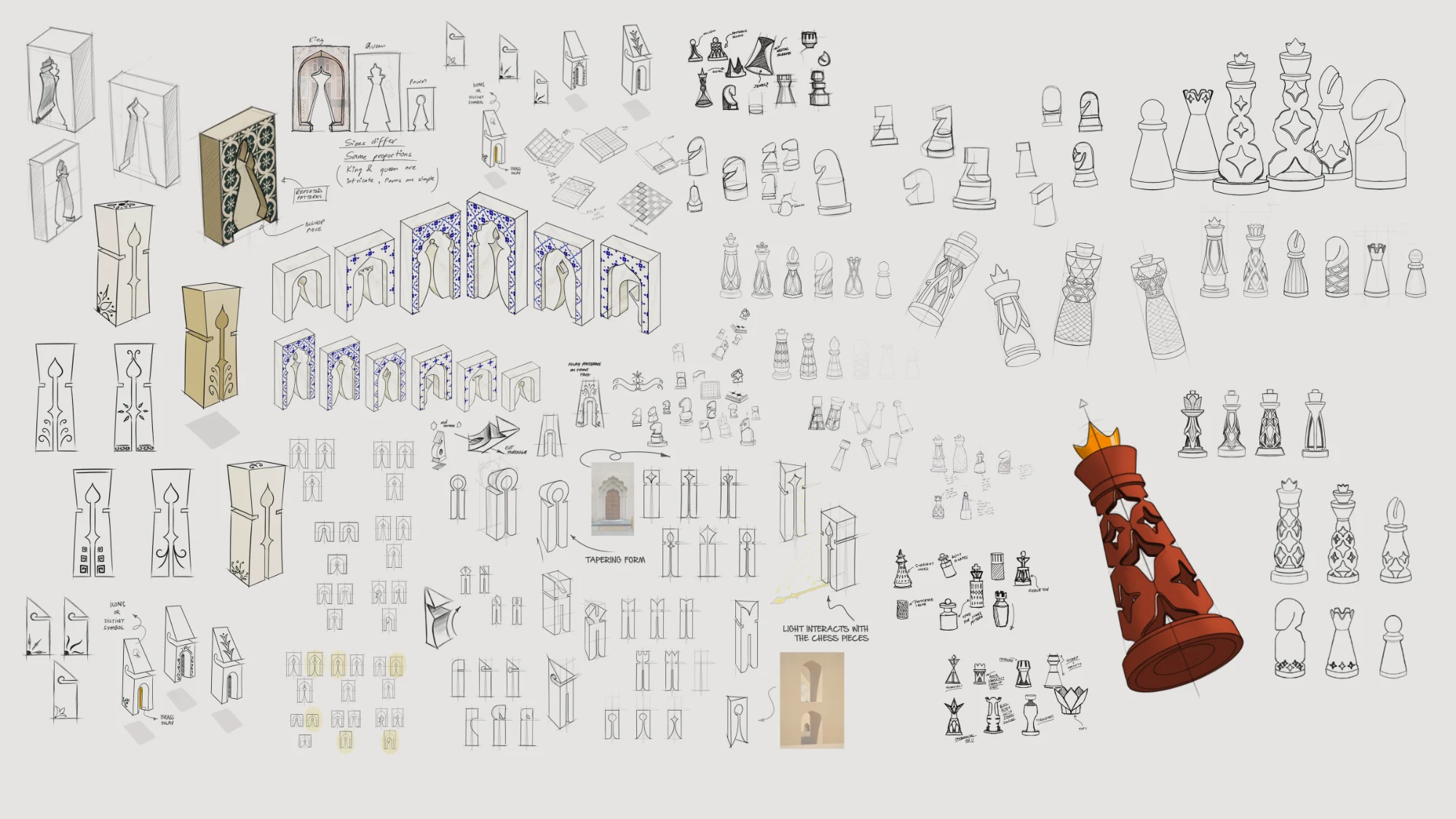
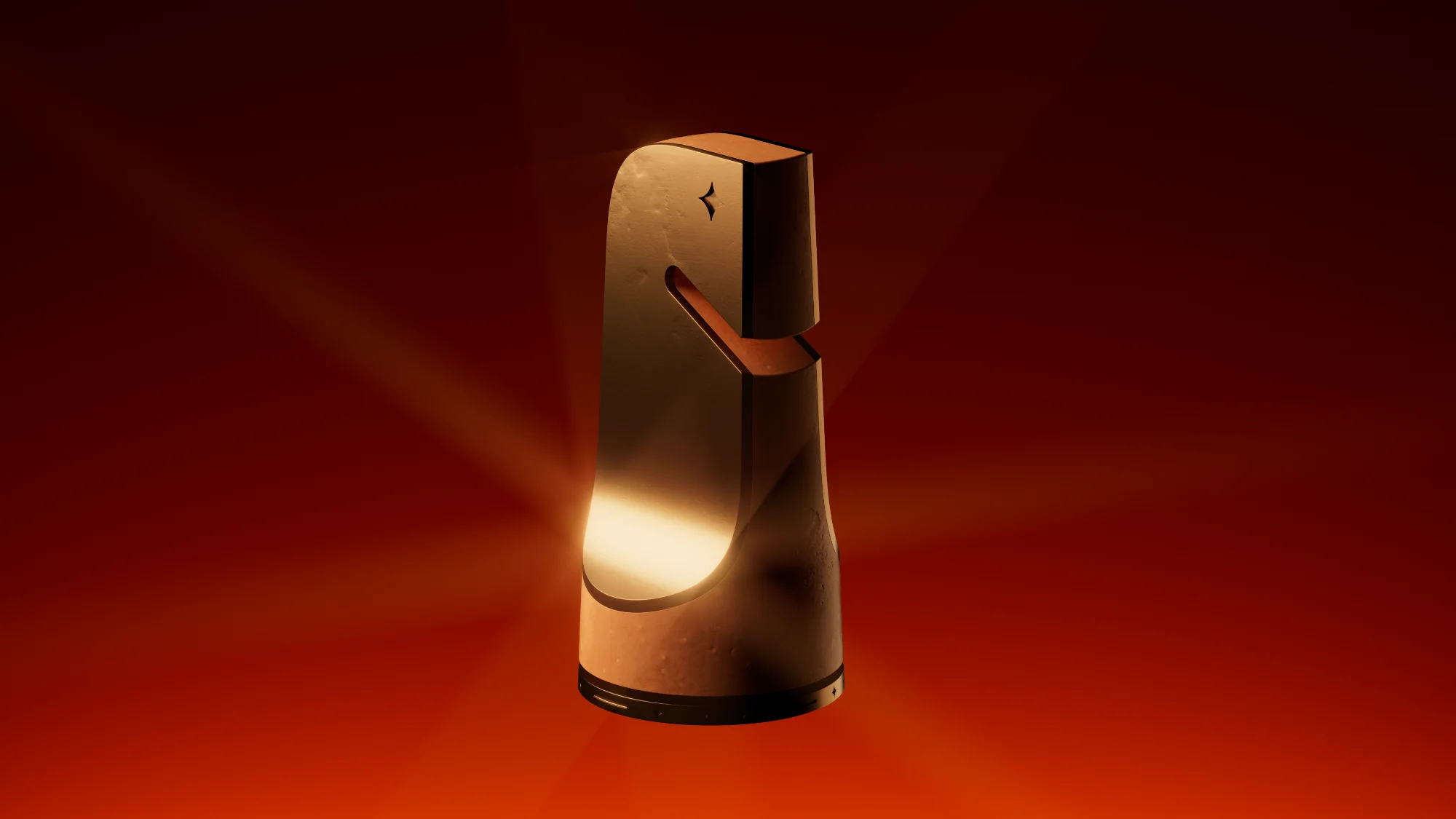
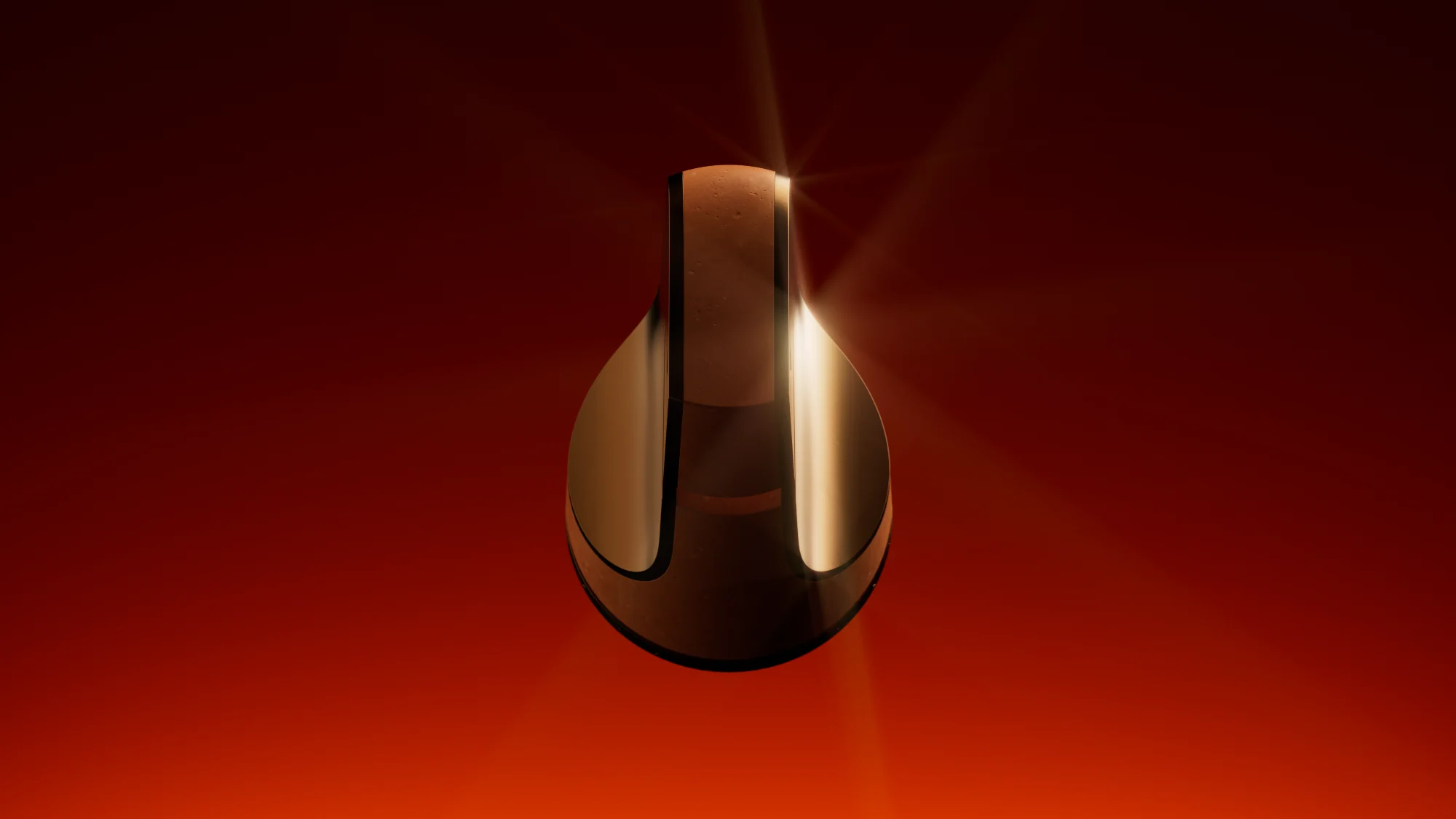
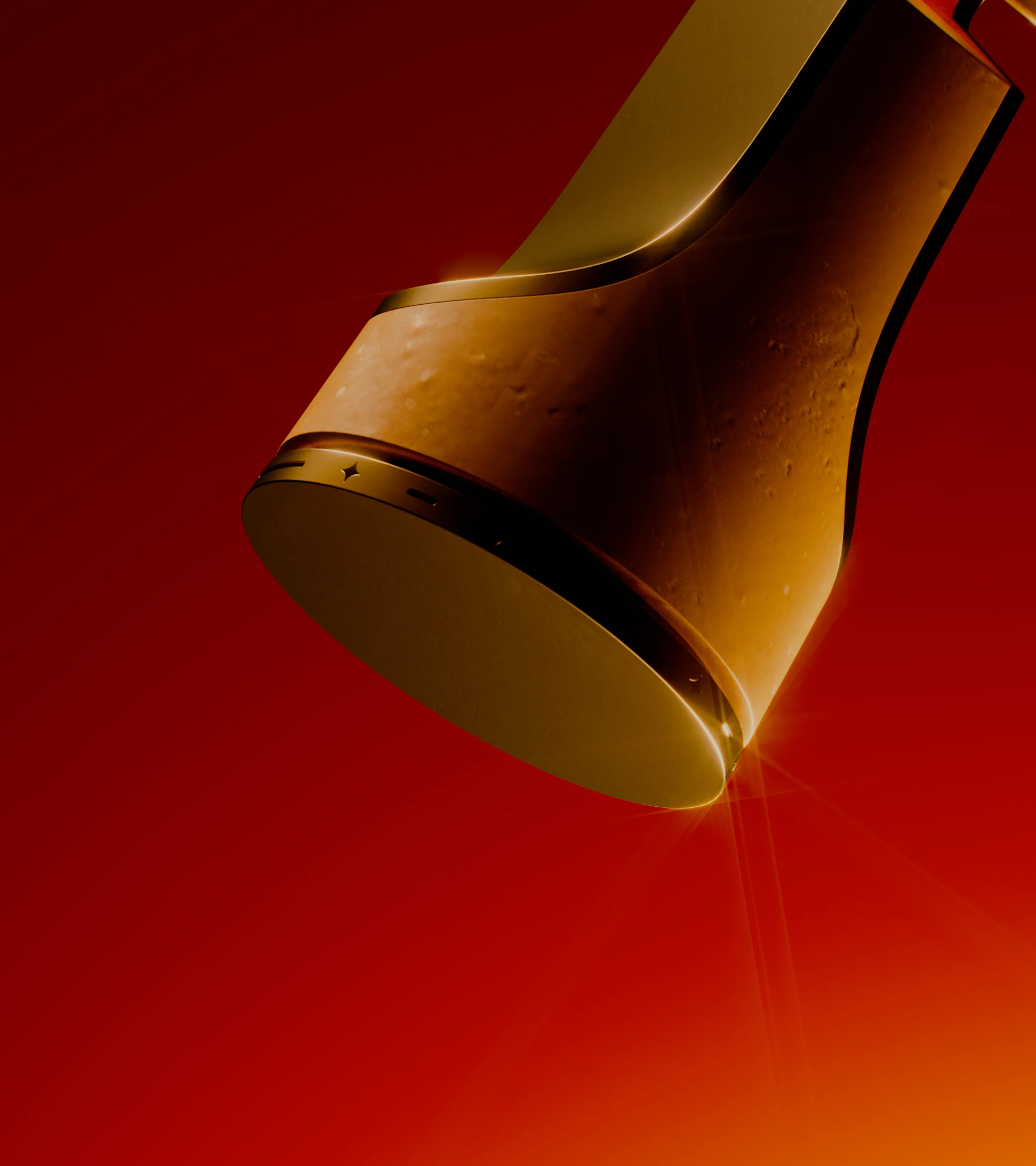
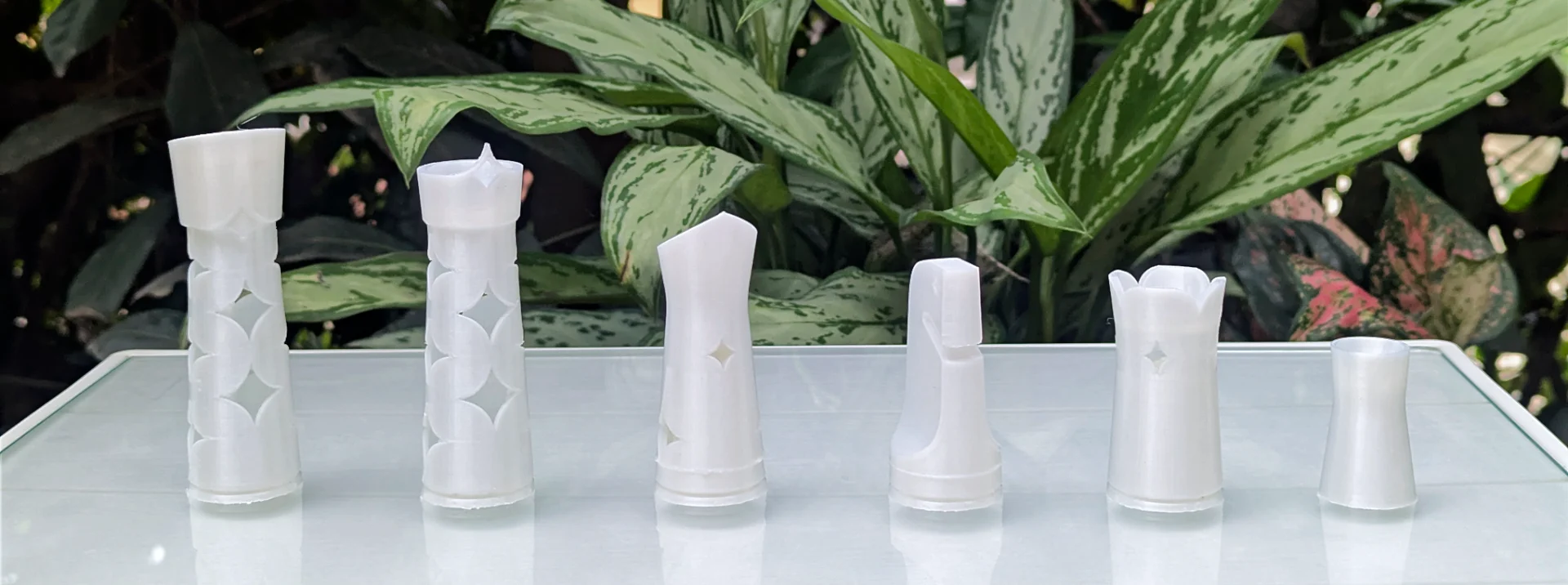
Each piece was derived from its role rather than from convention. The soldier is the most modest form on the board, so its spherical head was inverted into a recess: still legible from above, but given a silhouette of its own. The chariot takes four cuts across the top and a hollow beneath, a reference to the vimanas of the Ramayana; four stars are cut into its bronze ring and rotated 45 degrees so they face outward, like eyes. The horse sets a terracotta cylinder between two lost-wax bronze plates, with a four-pointed star struck at the eye, and the bronze is where the hand lands when the piece is lifted.
The elephant returns the piece to what it was in chaturanga, before European convention recast it as a bishop. The Mishra Yantra, an eighteenth-century astronomical instrument, informed the thinking more than the form: rhythm, alignment and layered observation. A dense bronze core sits within a hand-poured terracotta shell that will chip and weather with use. For the king we abandoned the European crown in favour of the turban and sarpech worn by Mughal emperors, Punjabi maharajas and Sikh leaders — authority that is tied on rather than conferred. The recess in the queen's tiara is cut to the same profile as the jewel in his crown, and stays unfilled.
The set is packed like a mithai box, since that is how celebration tends to arrive in an Indian home. The hollow in the soldier exists for the end of the game: on reaching the far rank, a small bronze sphere is set into the recess, marking the promotion itself rather than the rank it earns.