The art of concealing
Home appliances and furniture that elevate luxury home interiors in India.
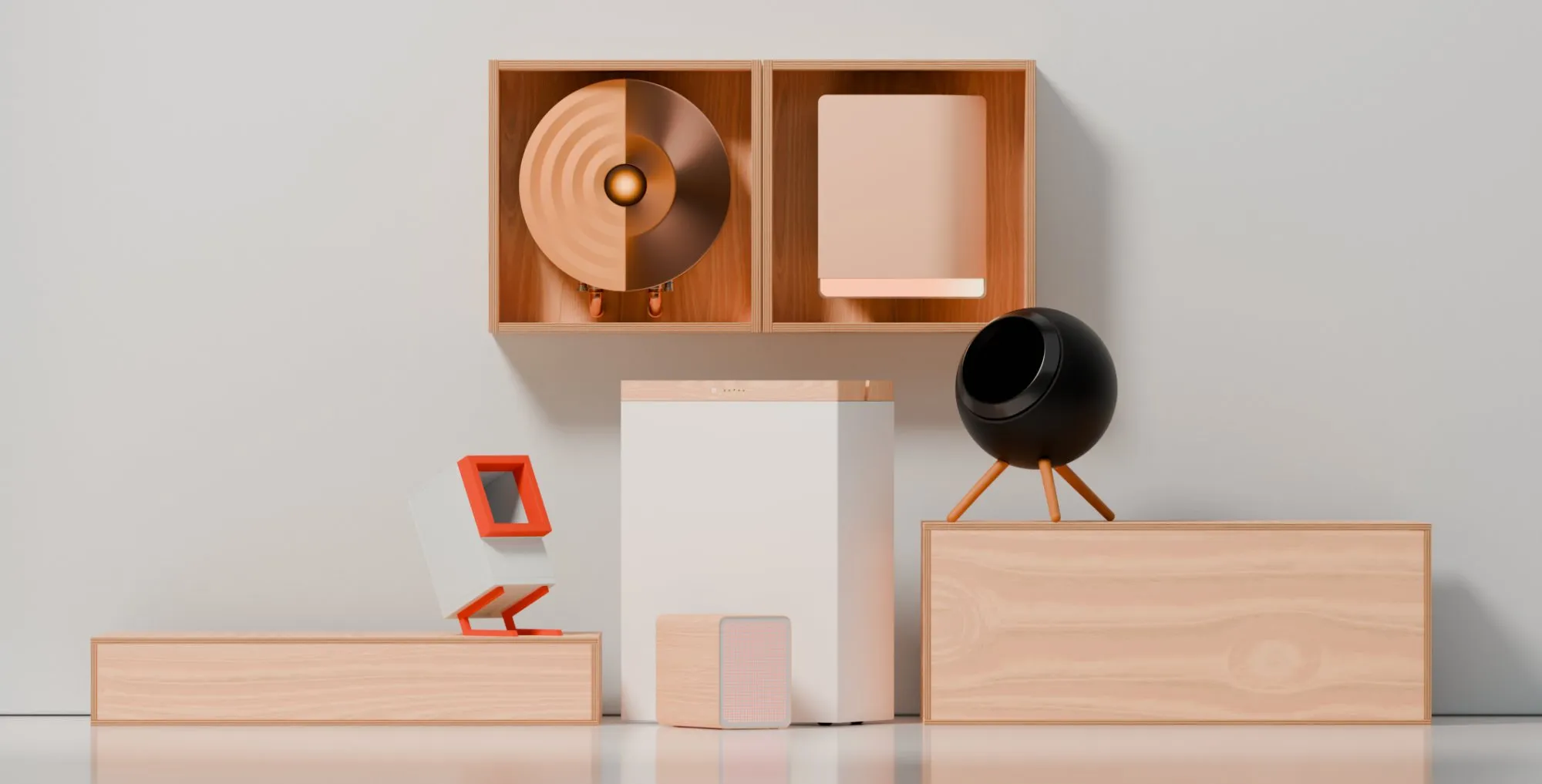
You can't sell someone a luxury home and then fill it with the same ugly appliances they'd find anywhere else.
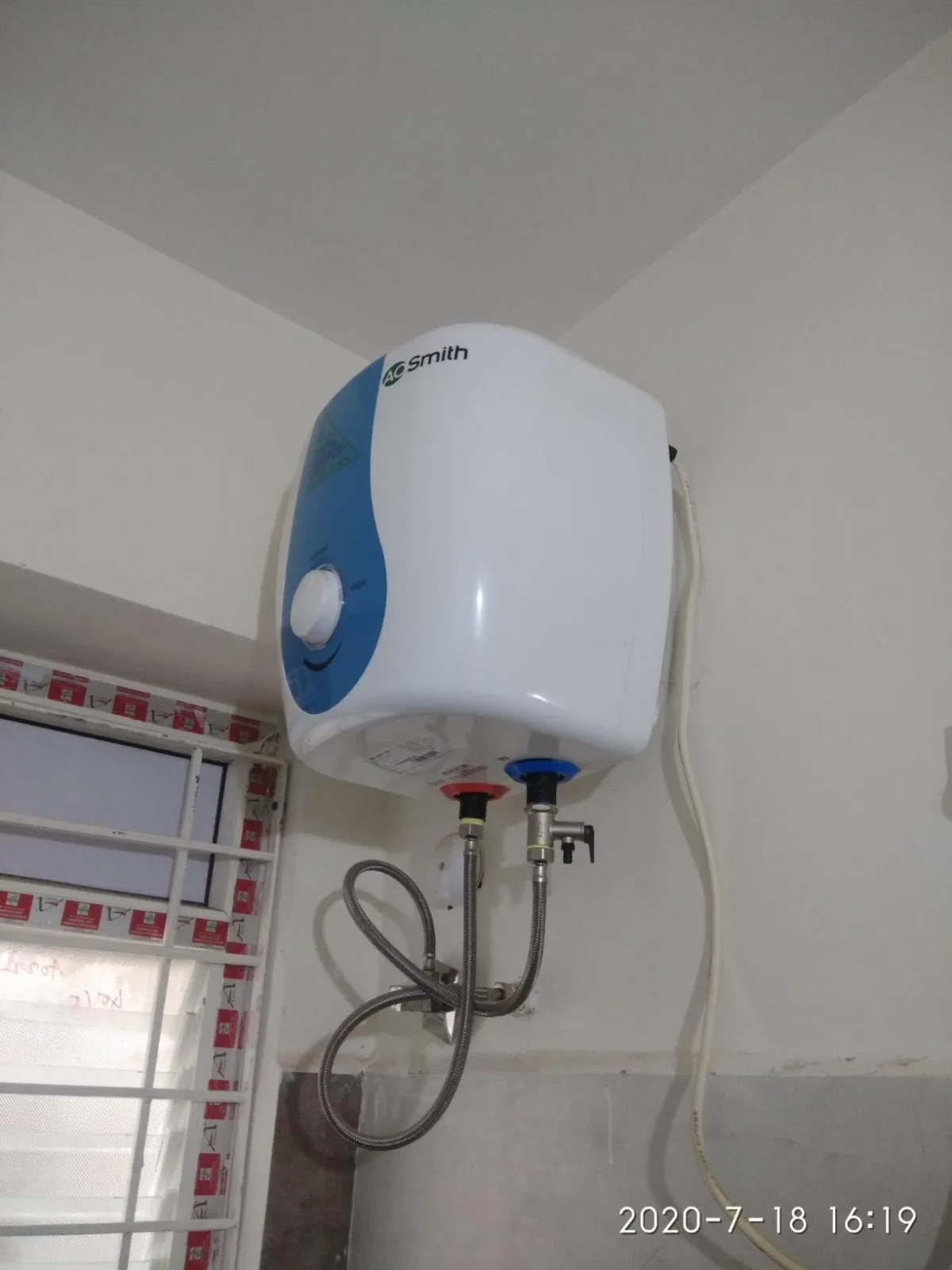
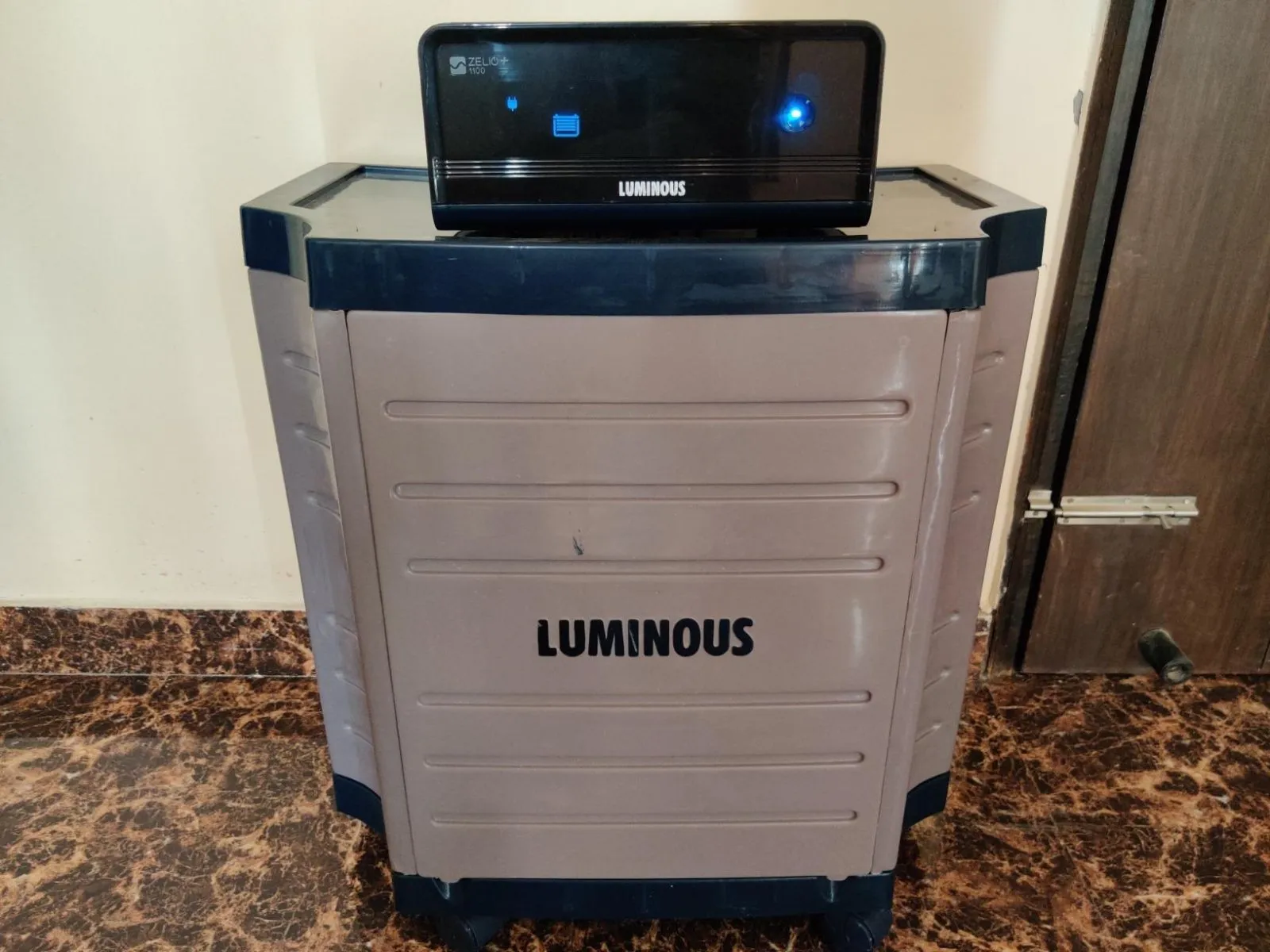
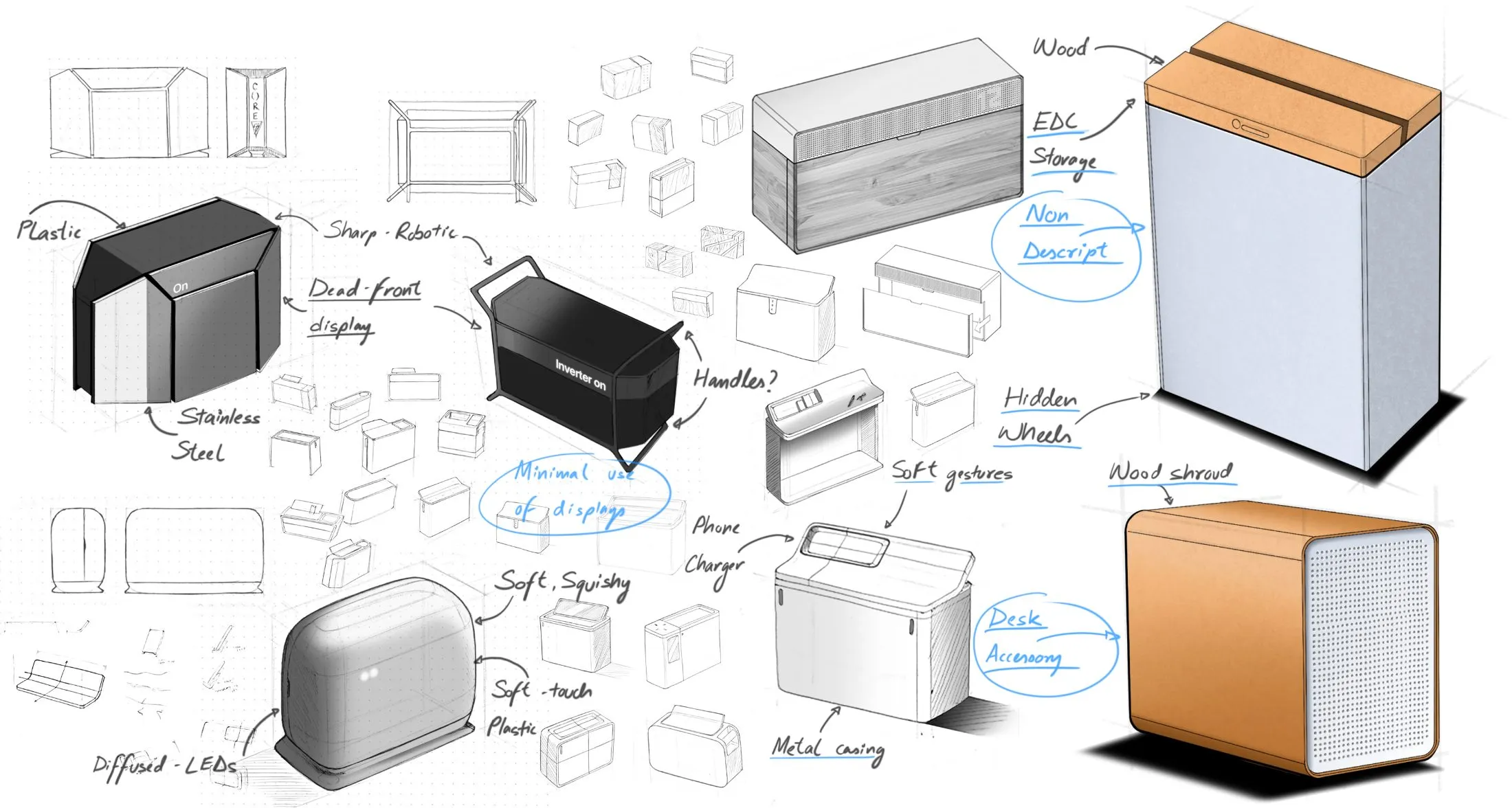
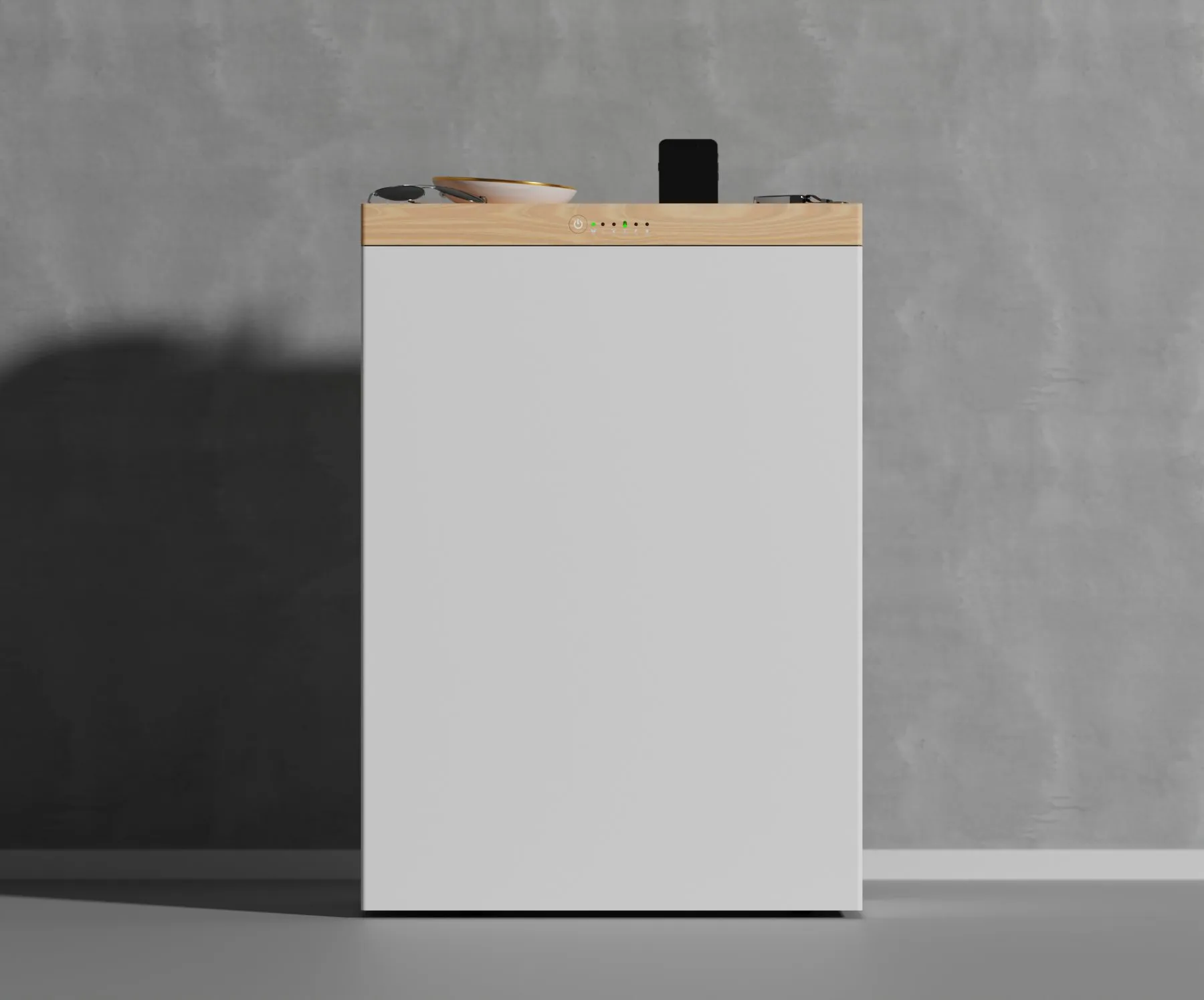
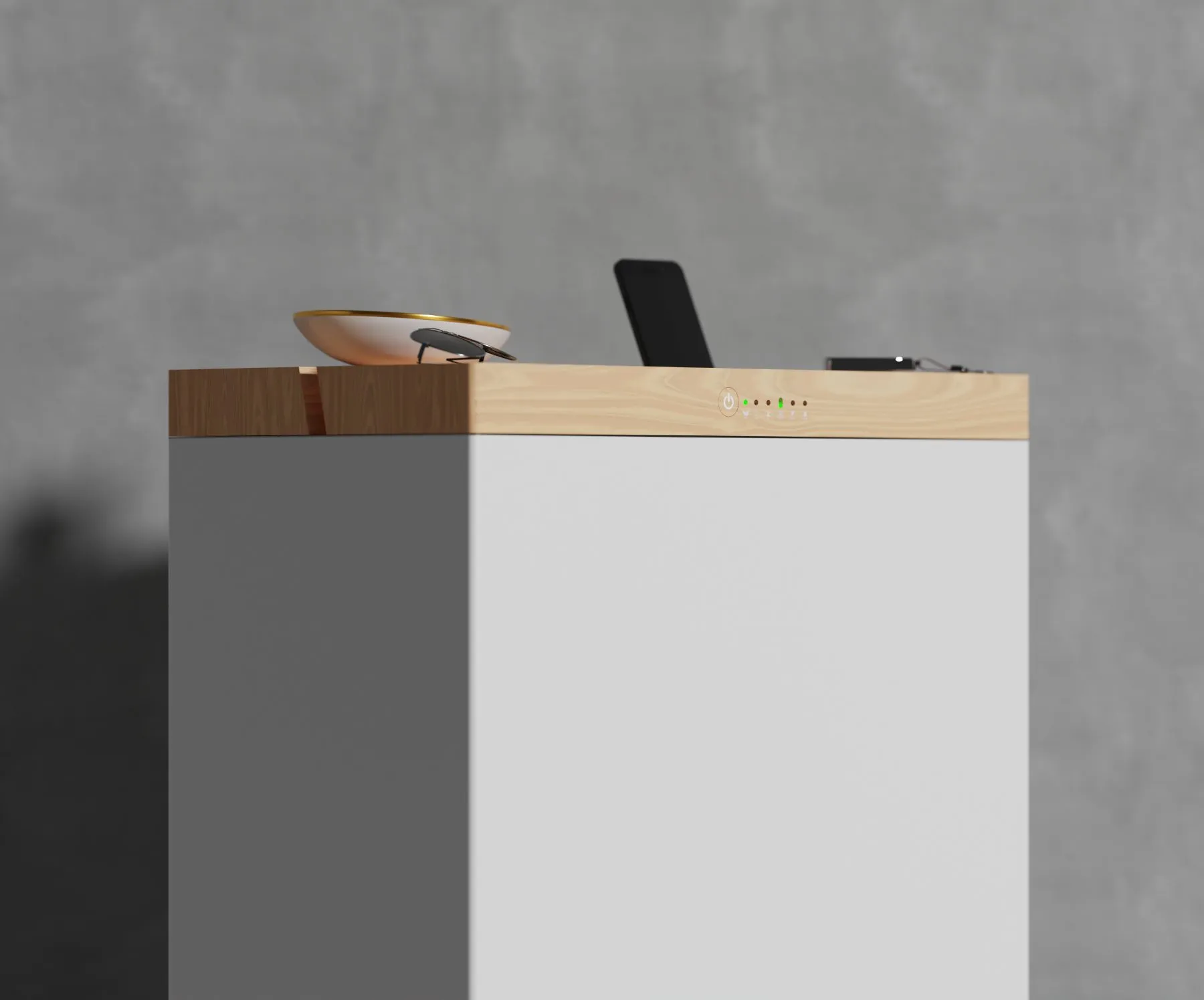
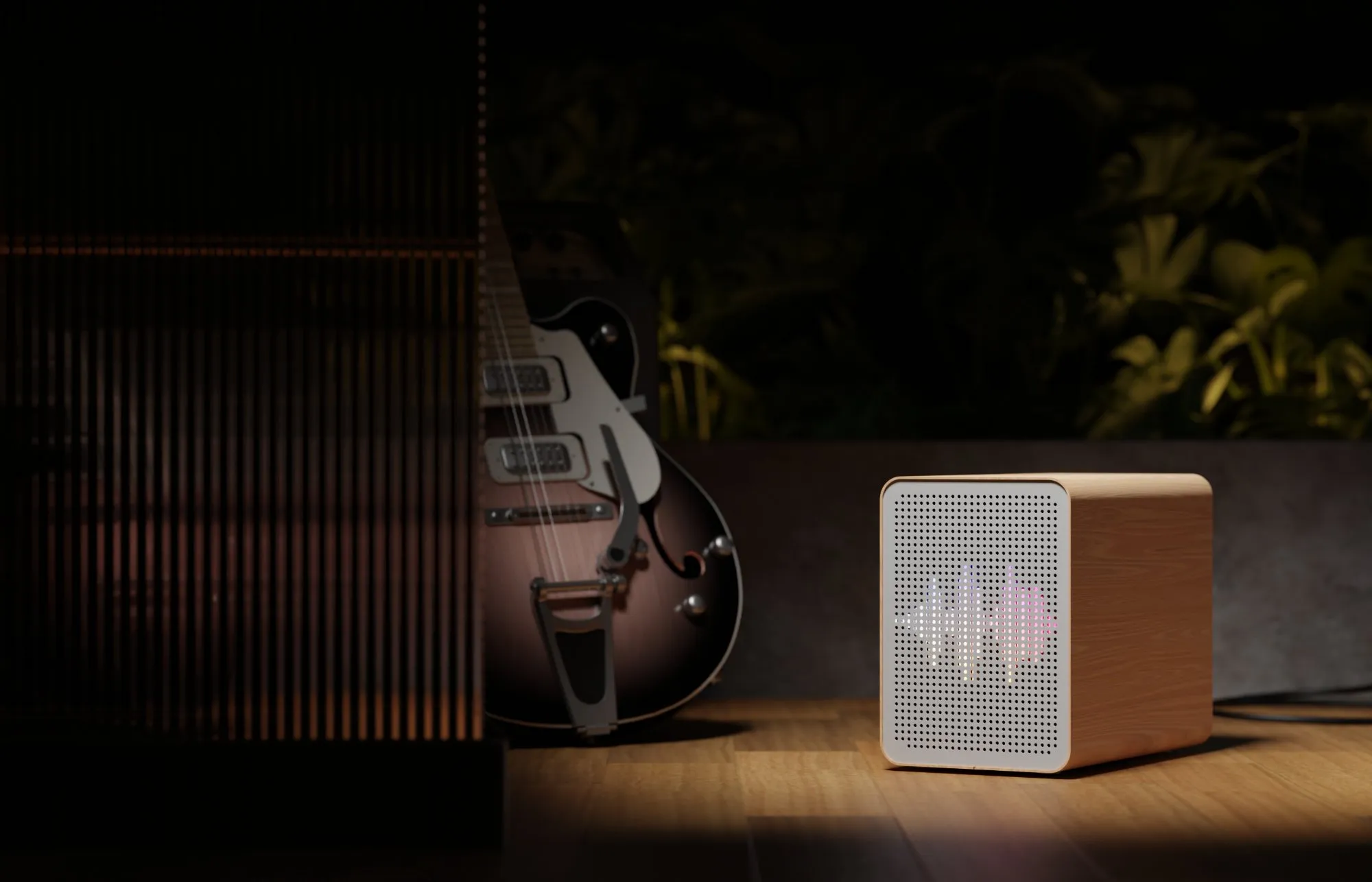
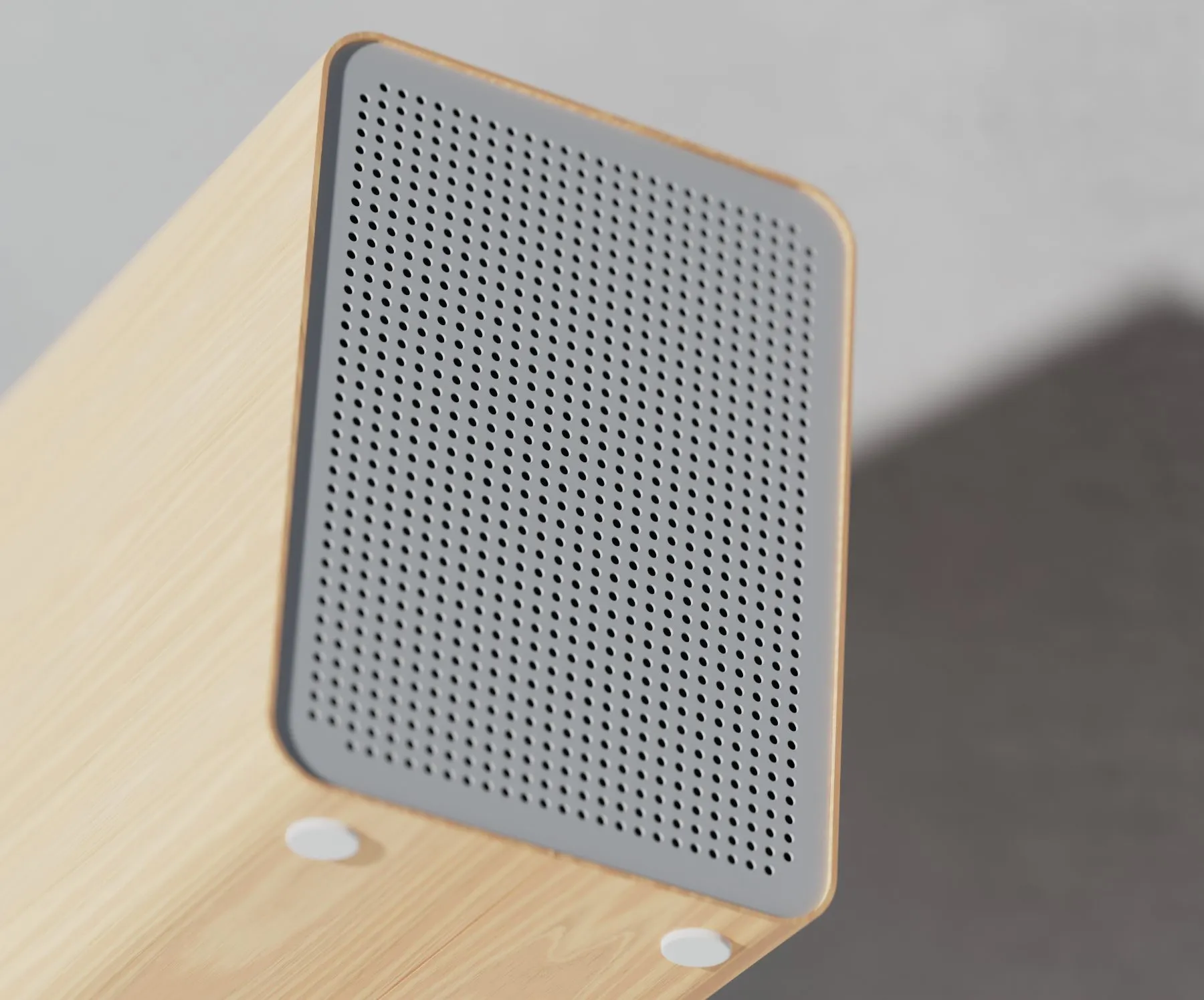
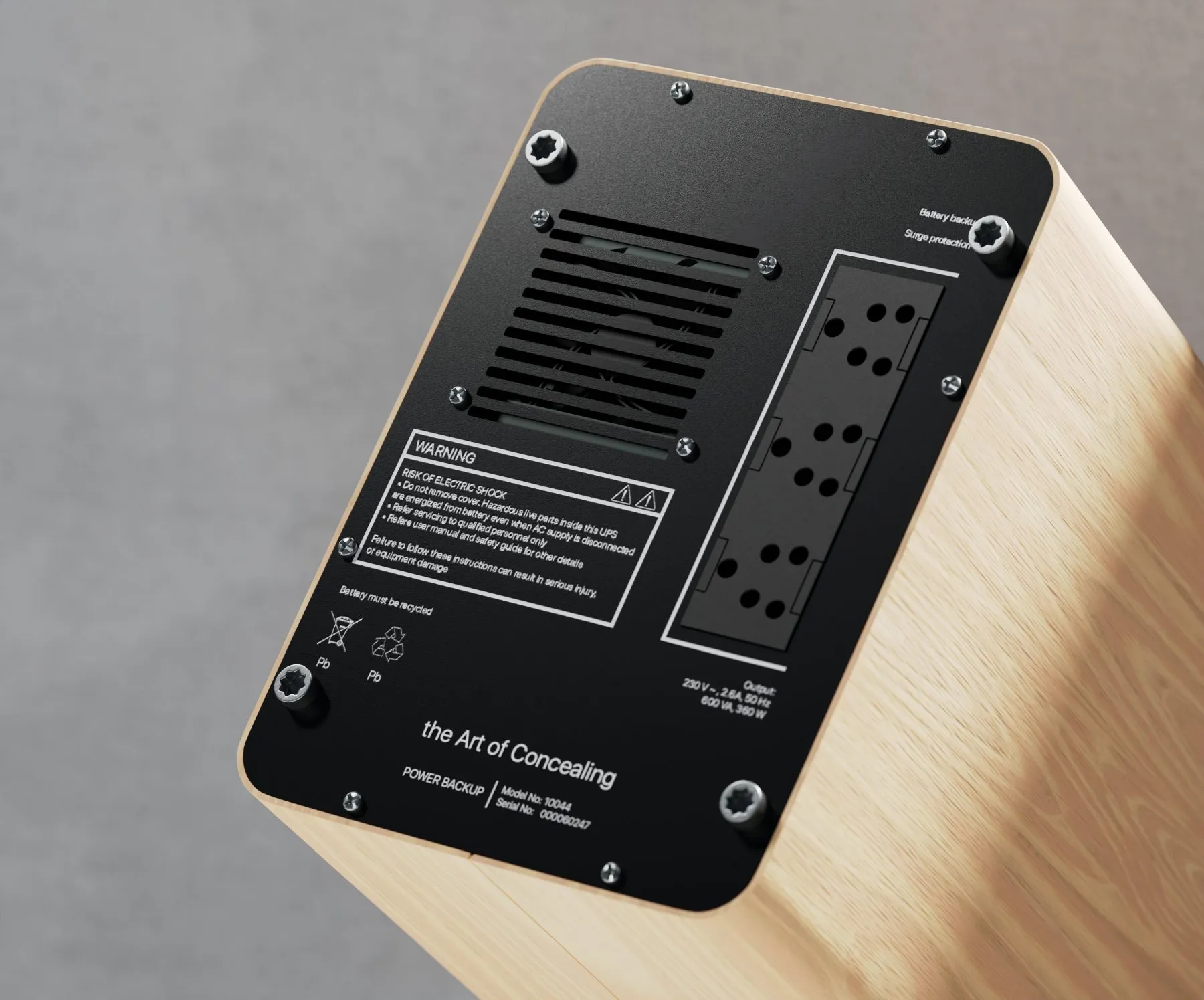
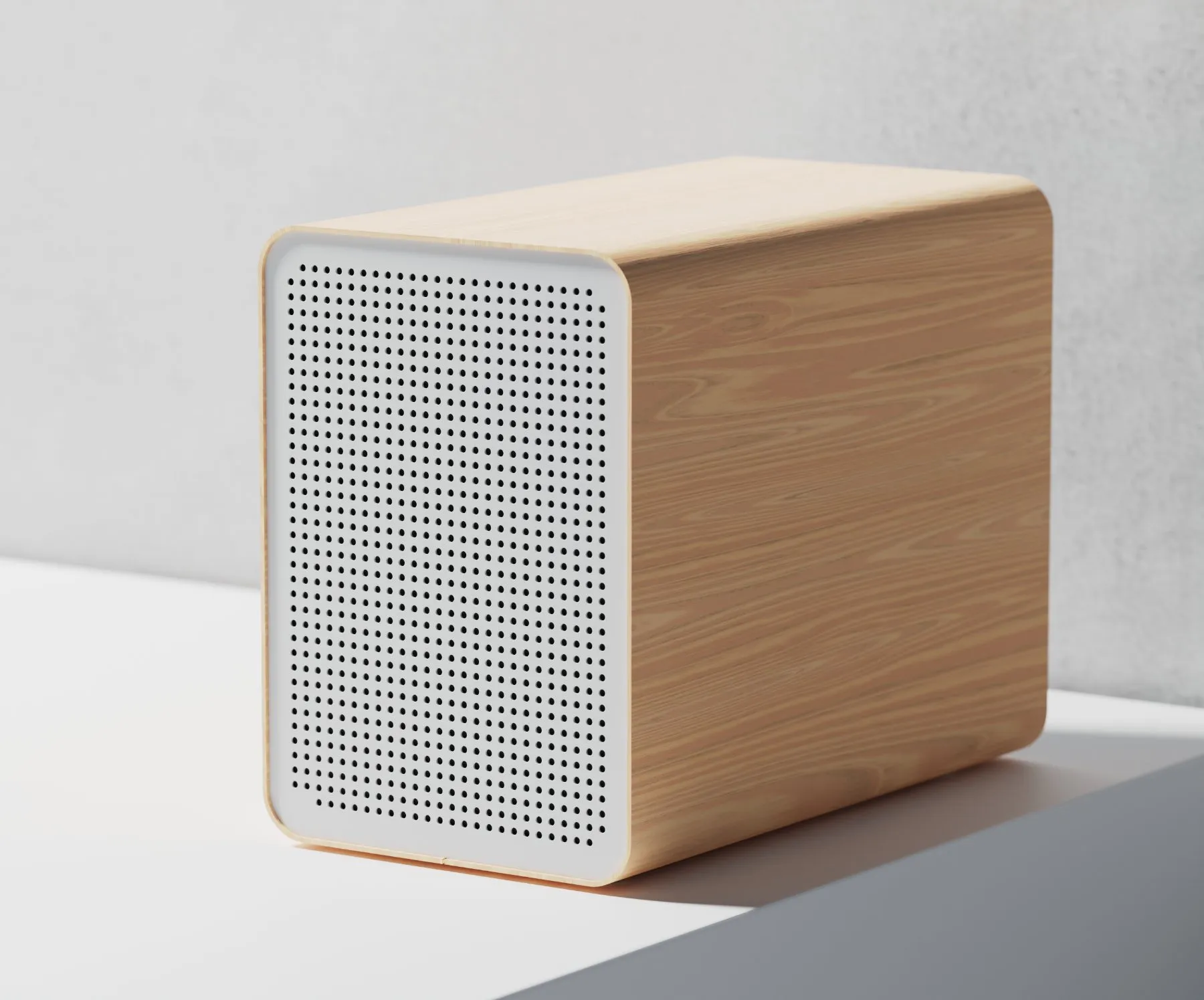
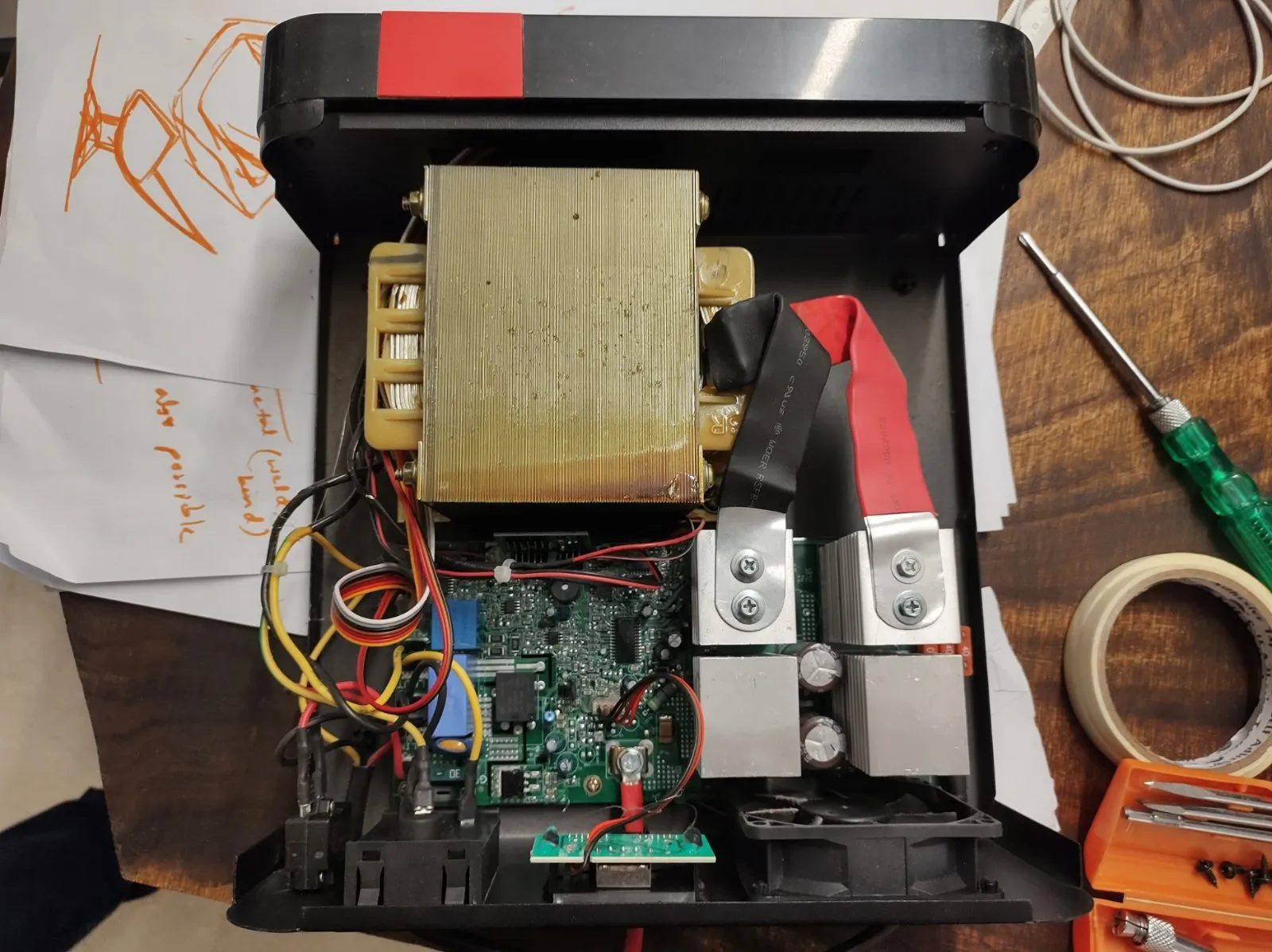
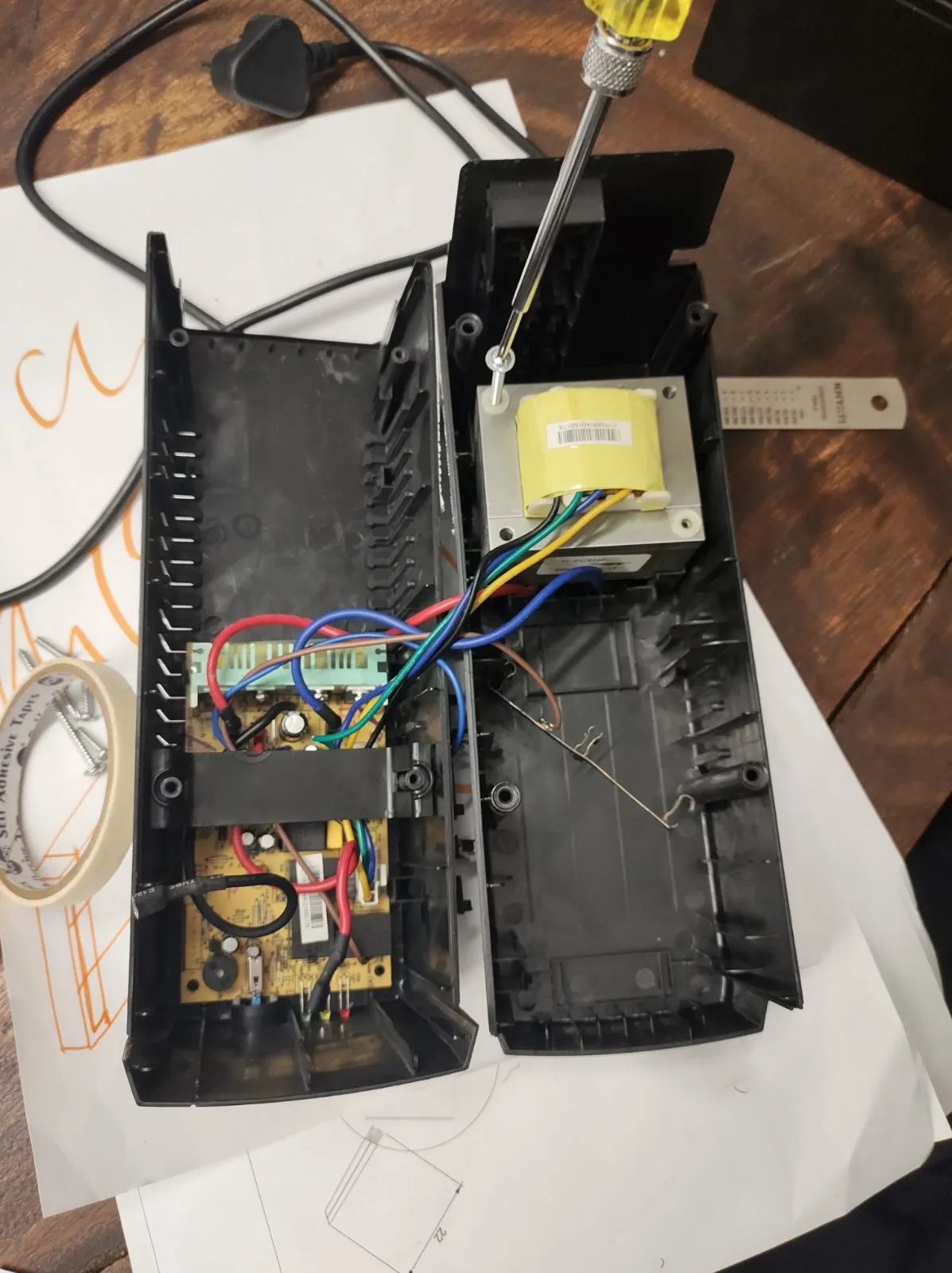
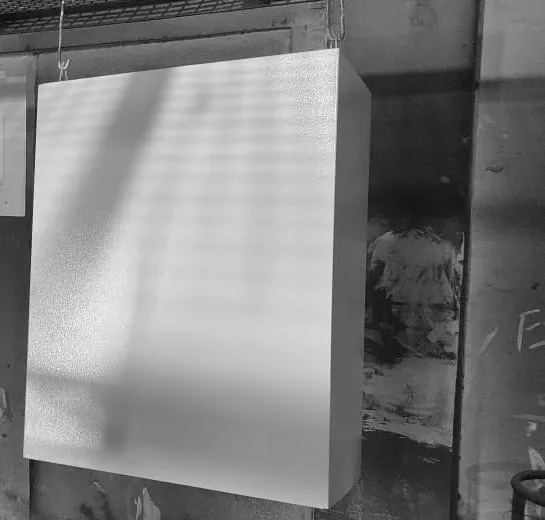
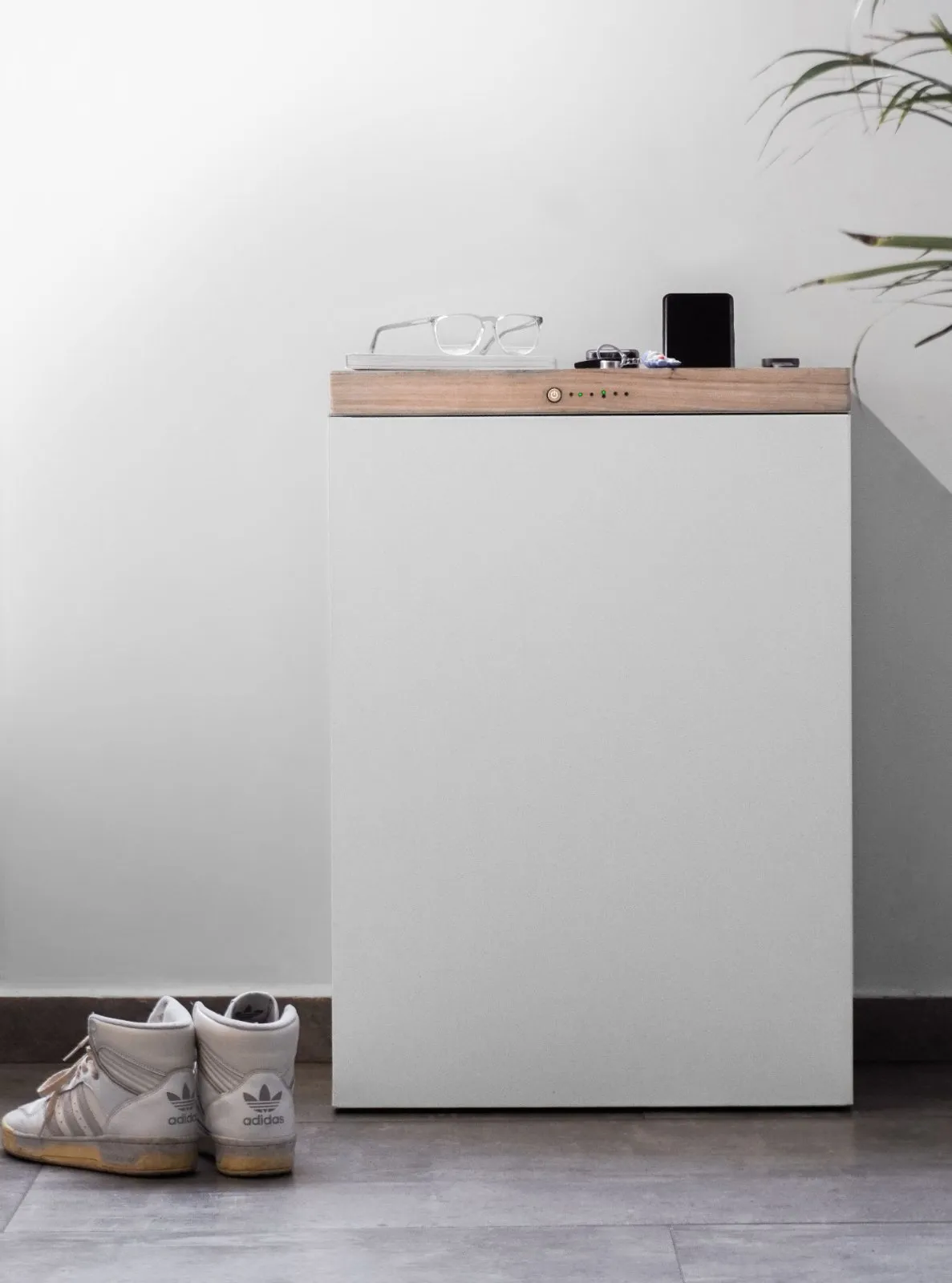
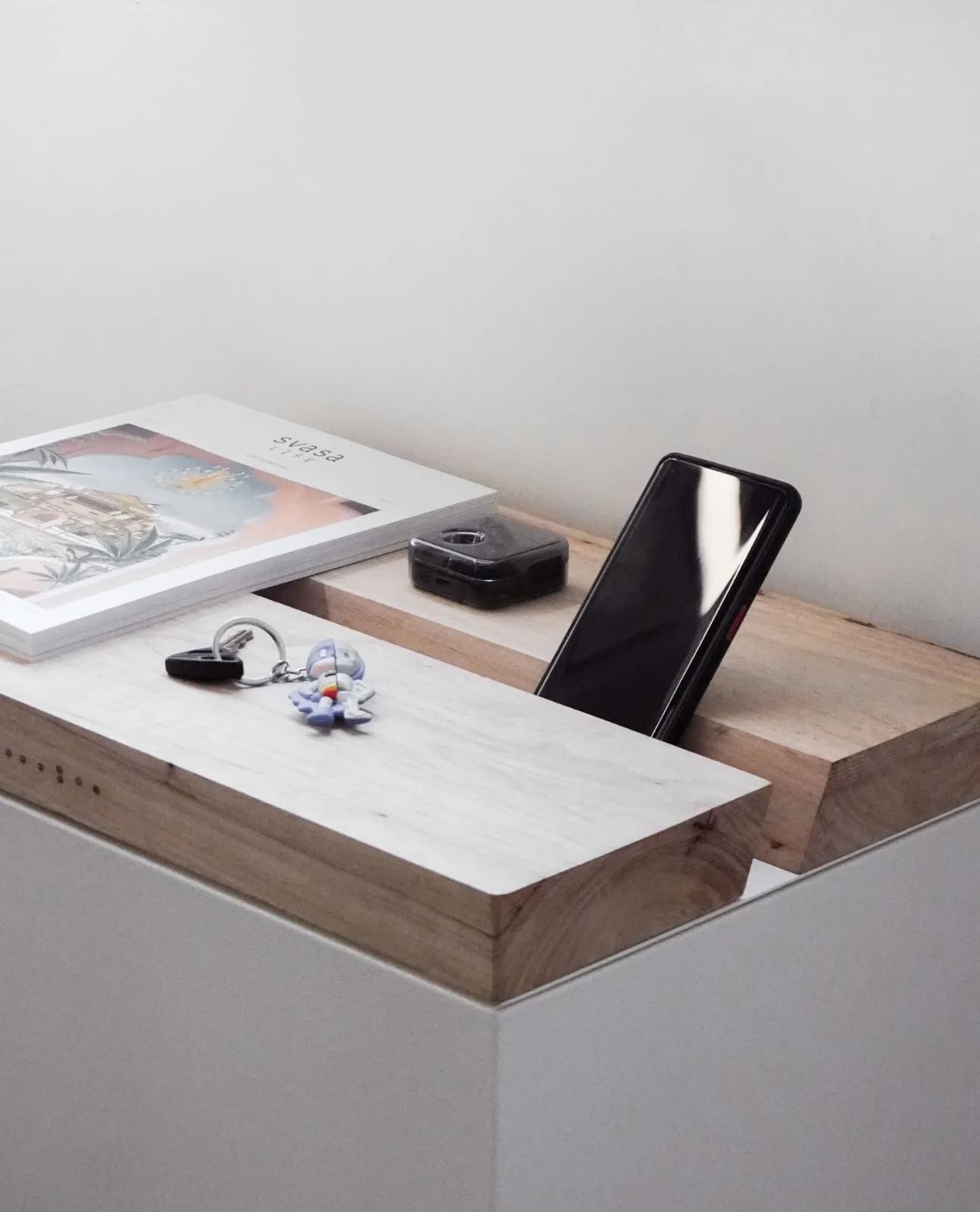
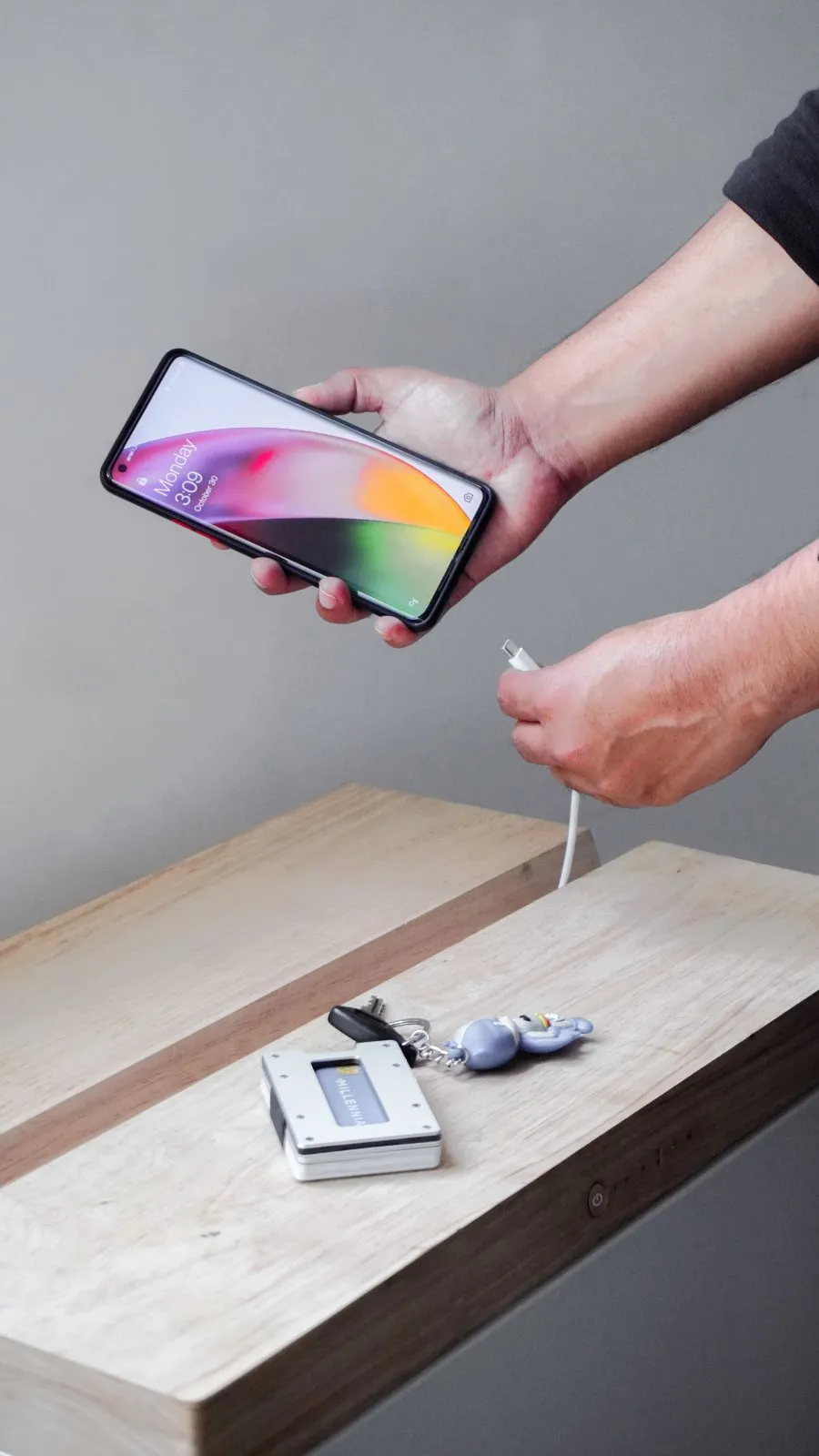
We hid the inverter by turning it into furniture, and hid the UPS by making it something you'd actually want to look at.
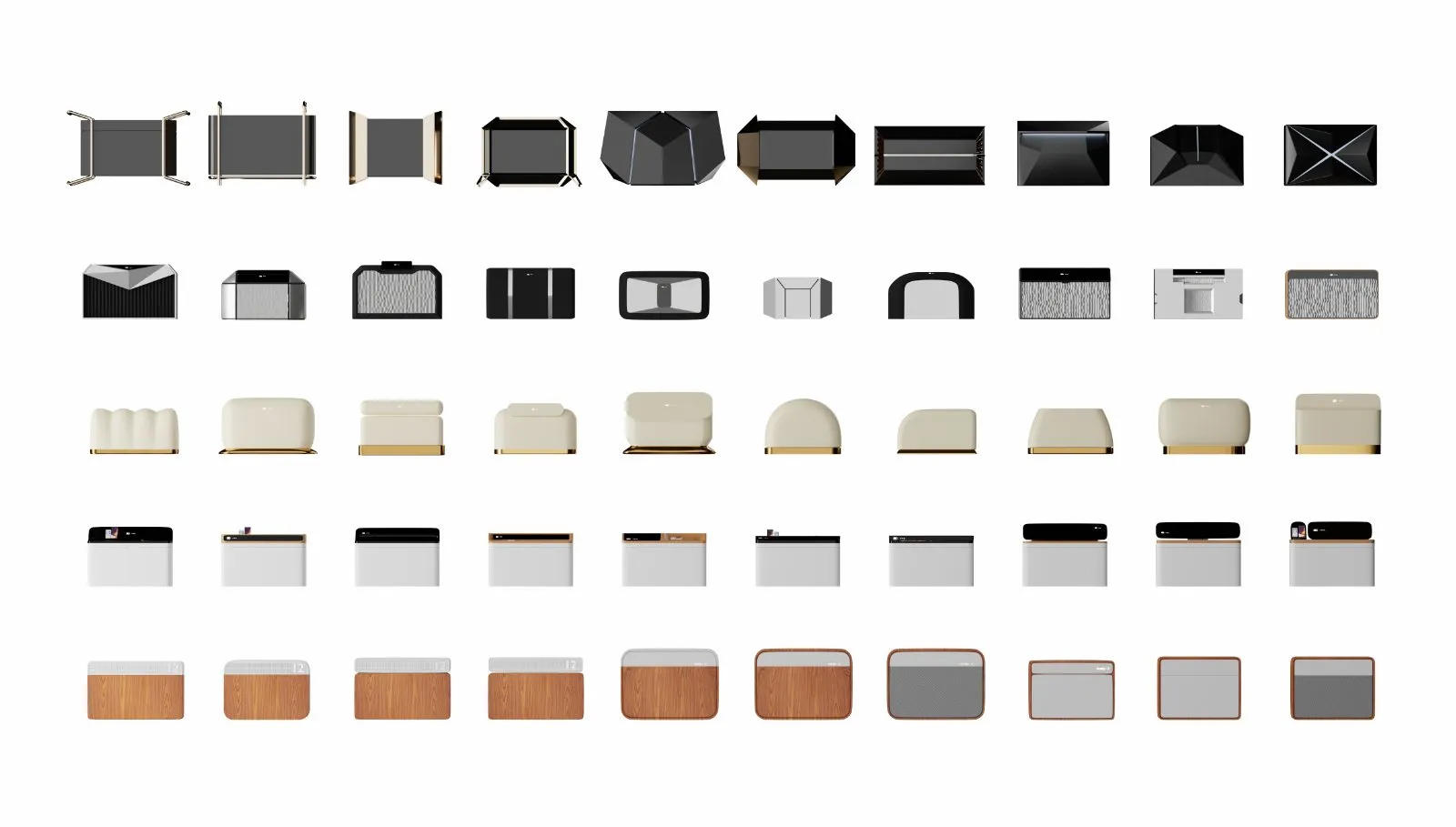
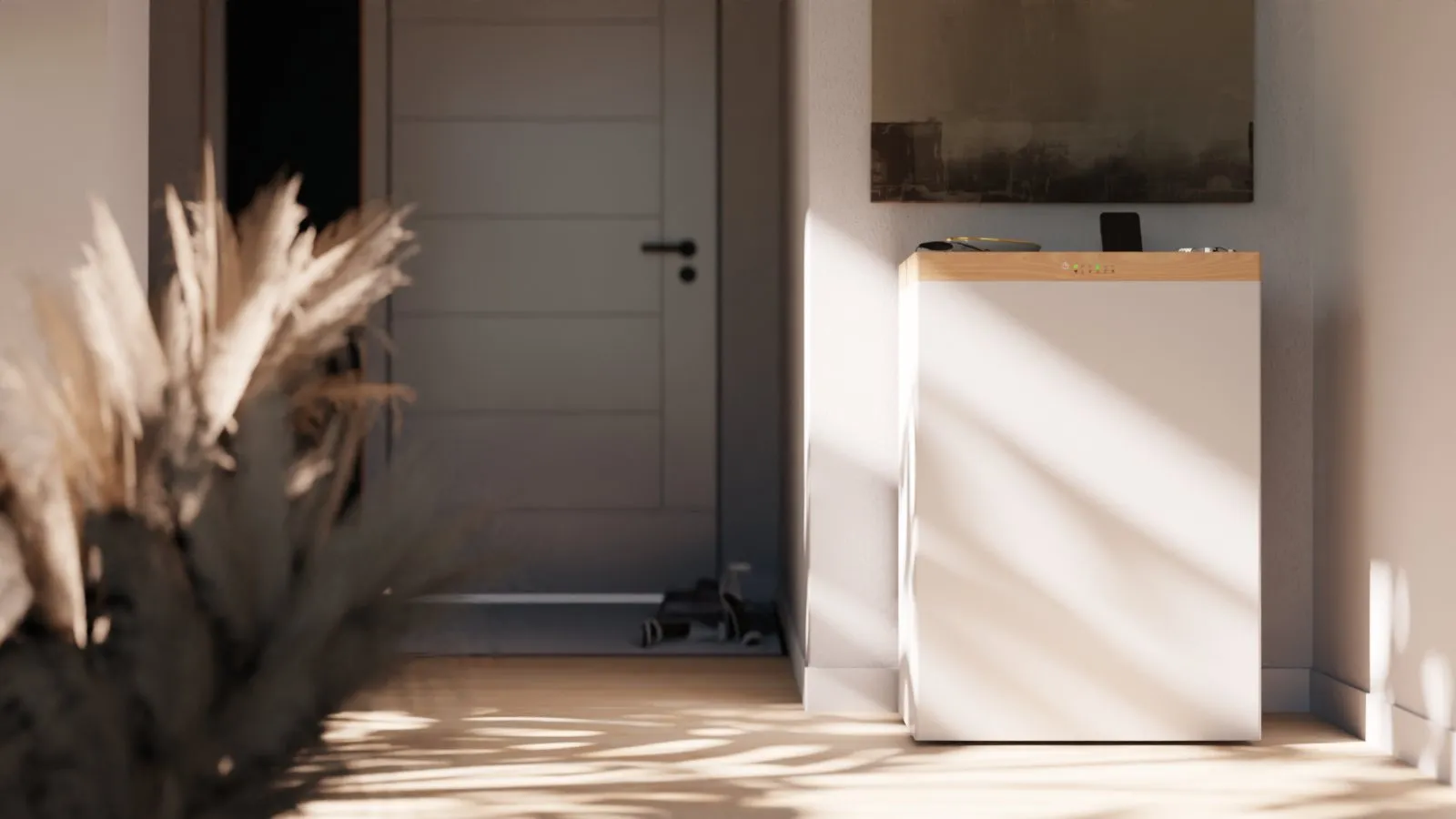
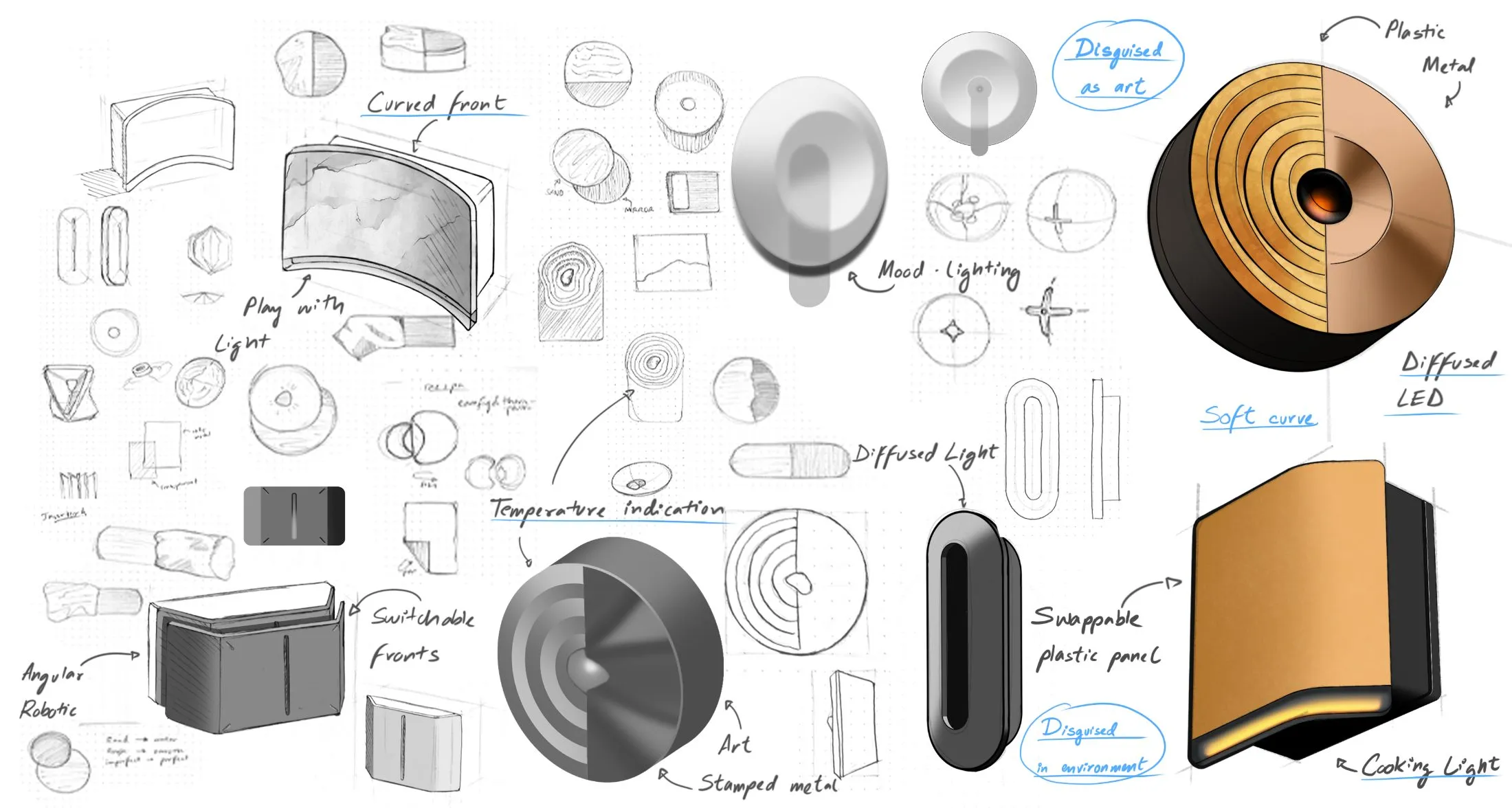
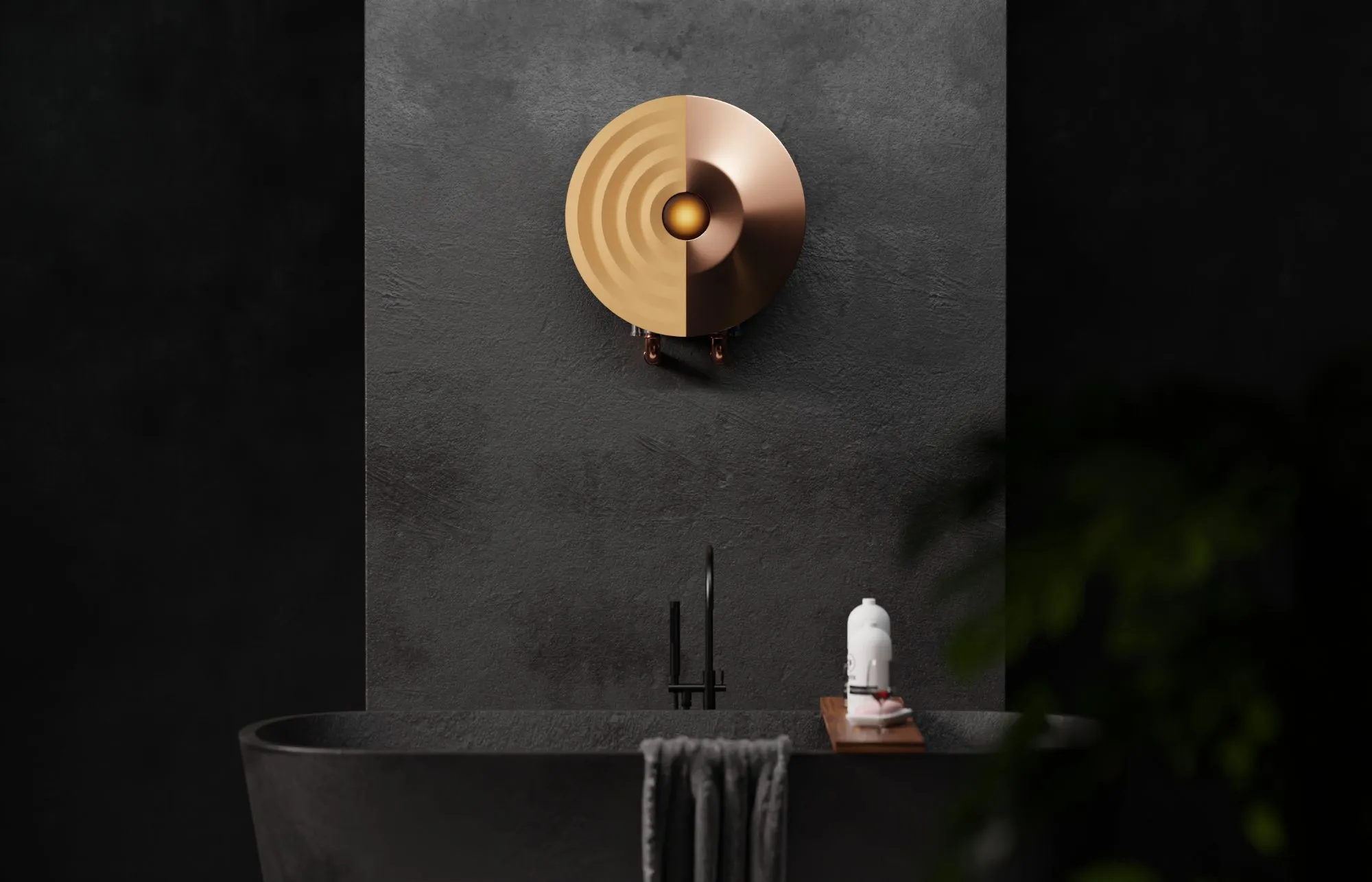
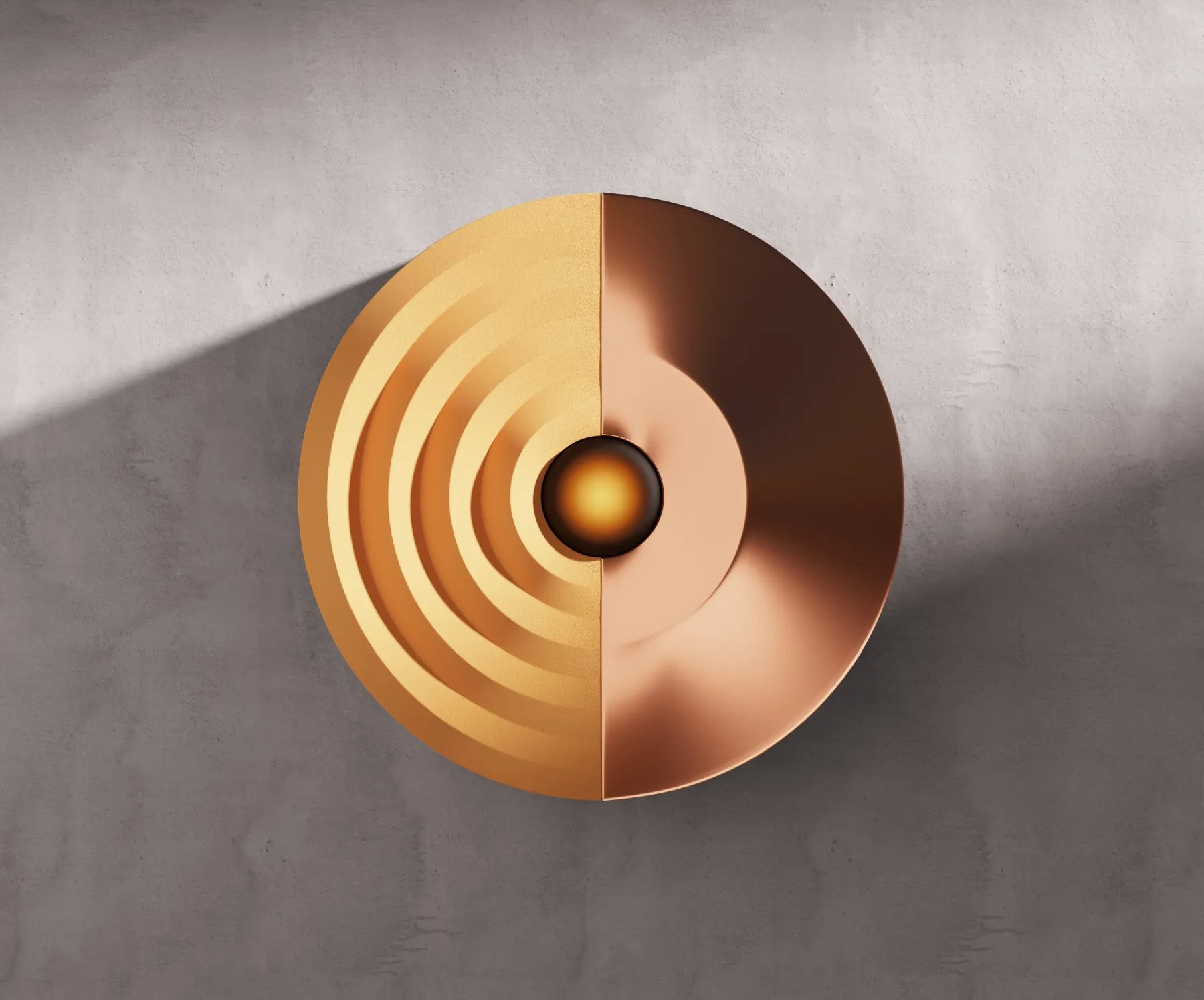
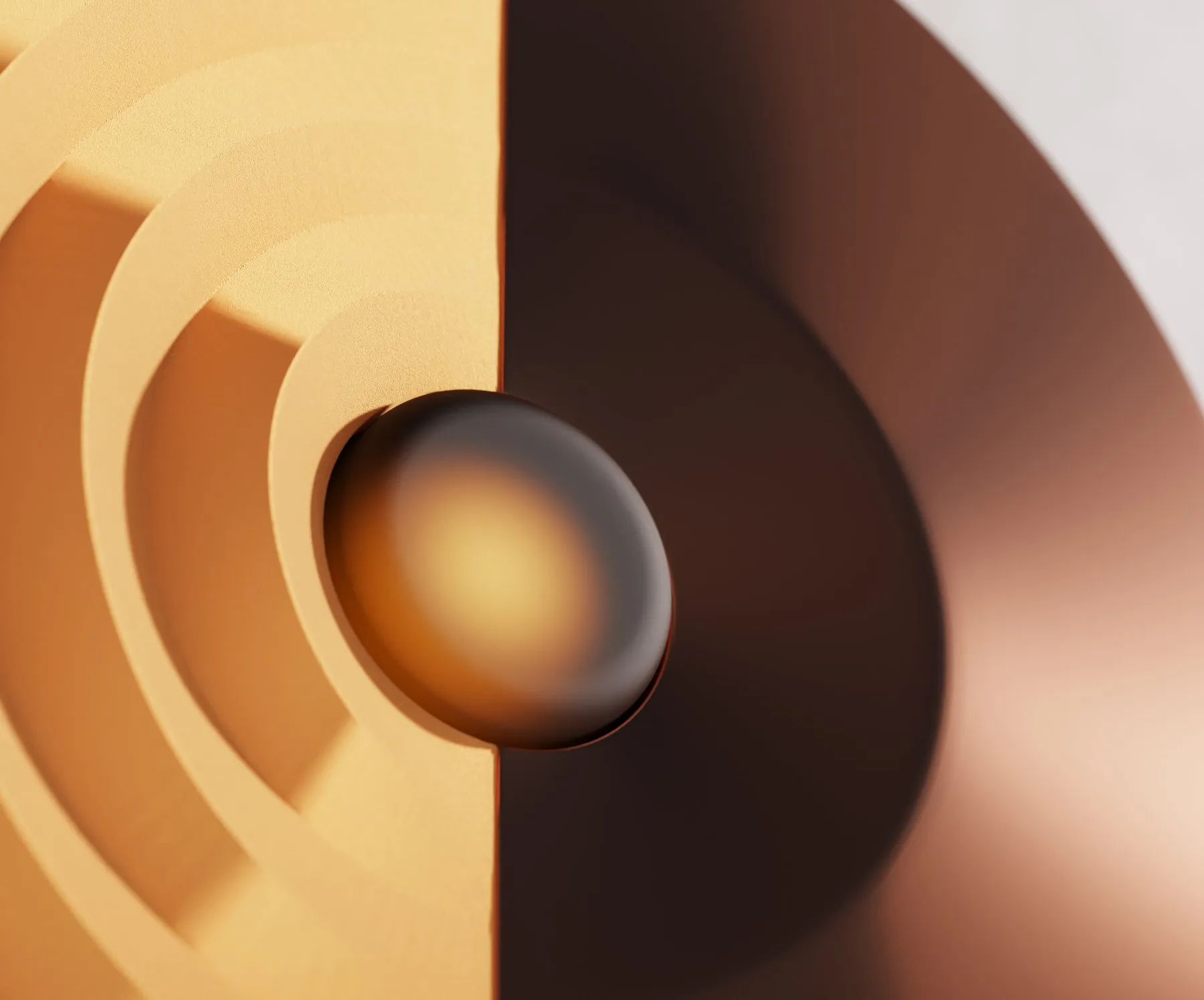
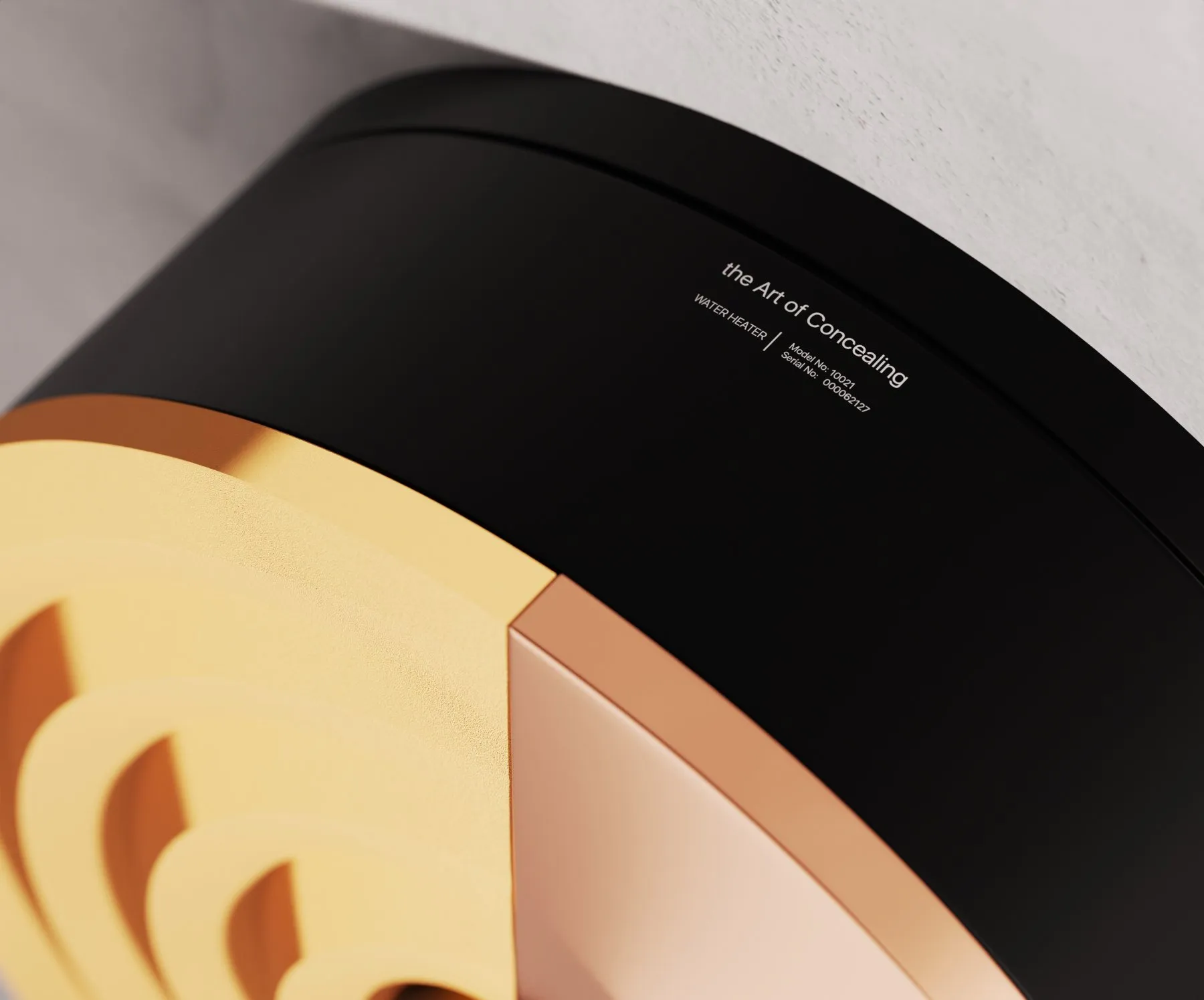
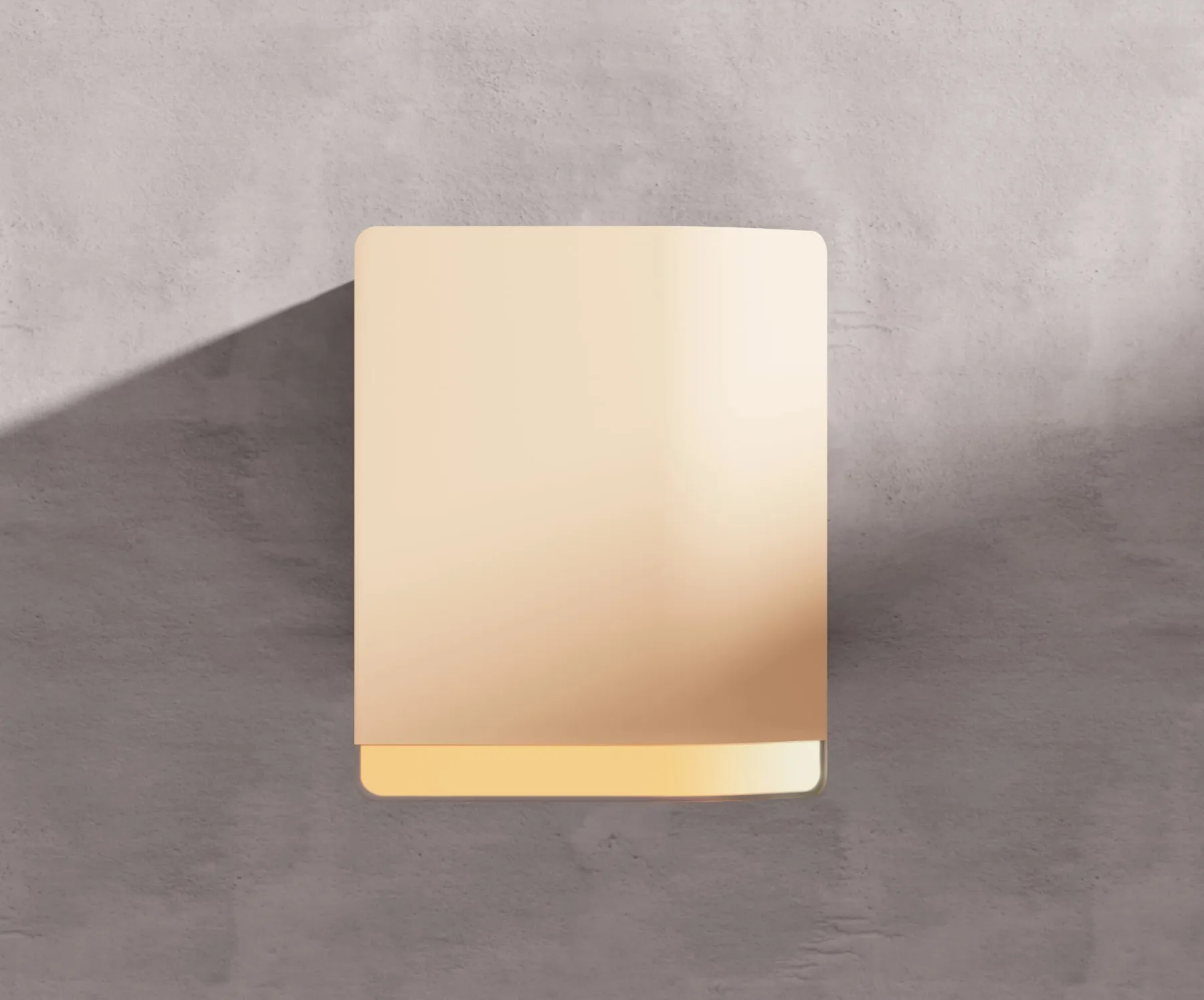
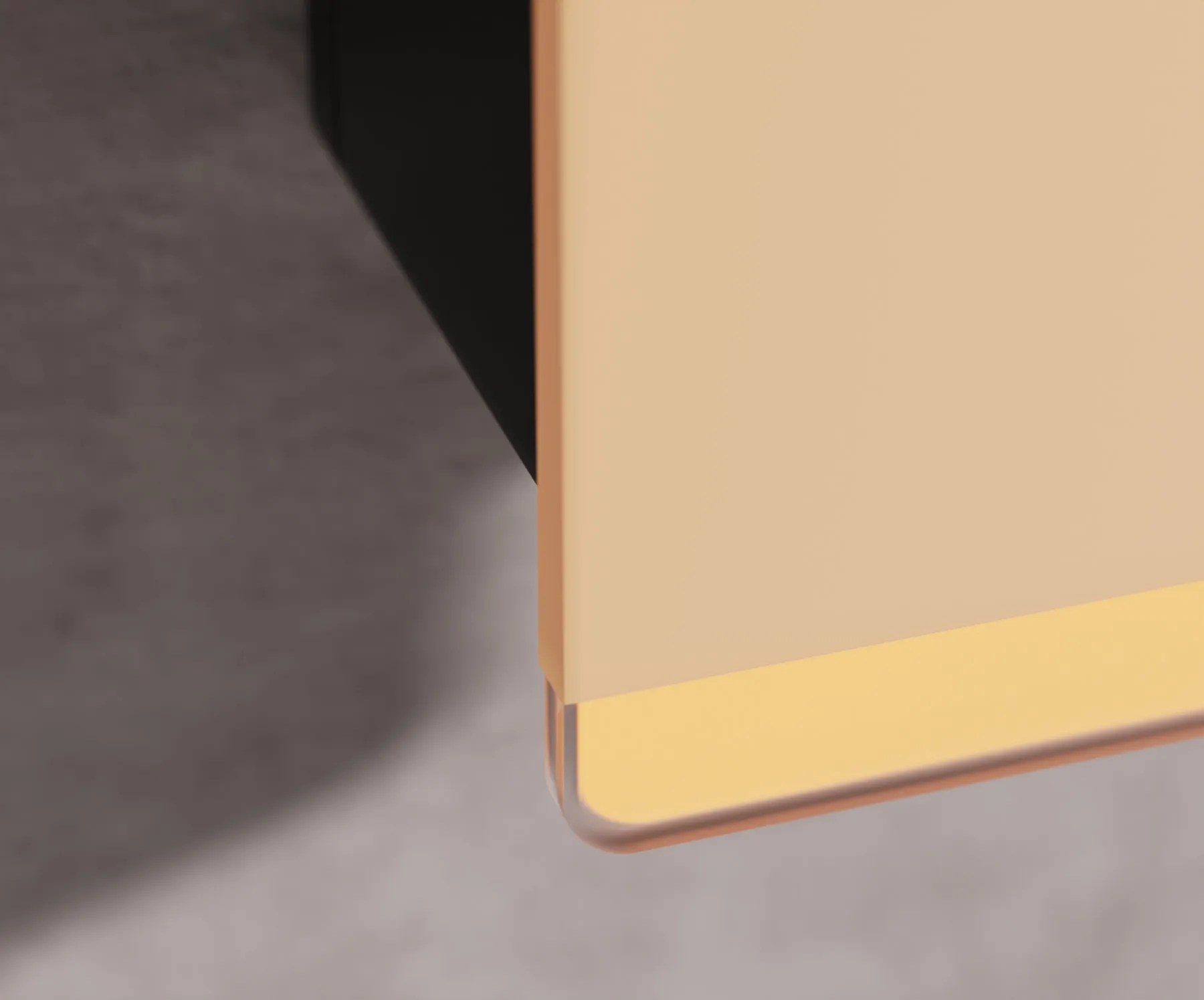
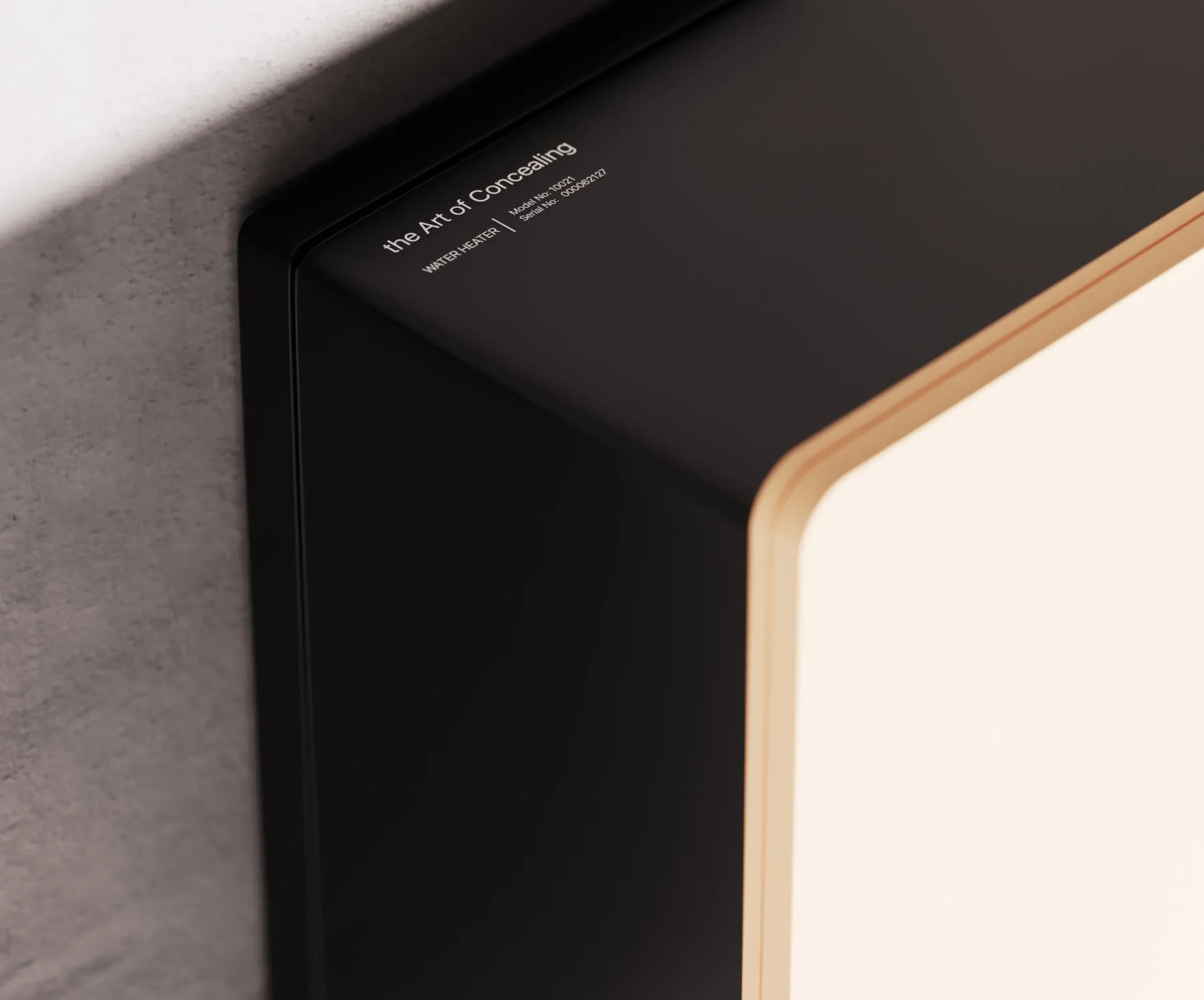
The bathroom heater stops looking like a heater altogether and starts reading as a piece of art on the wall.
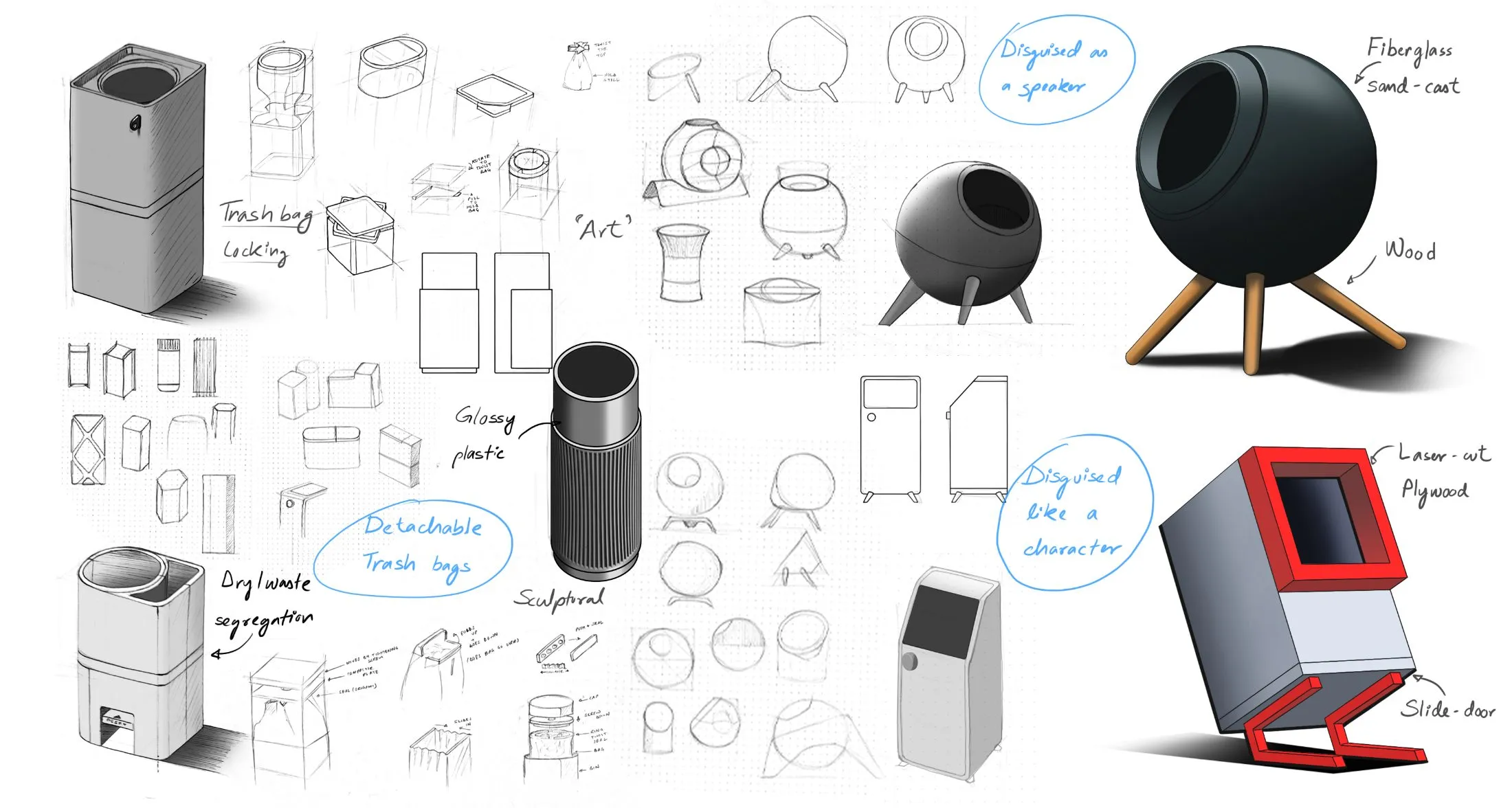
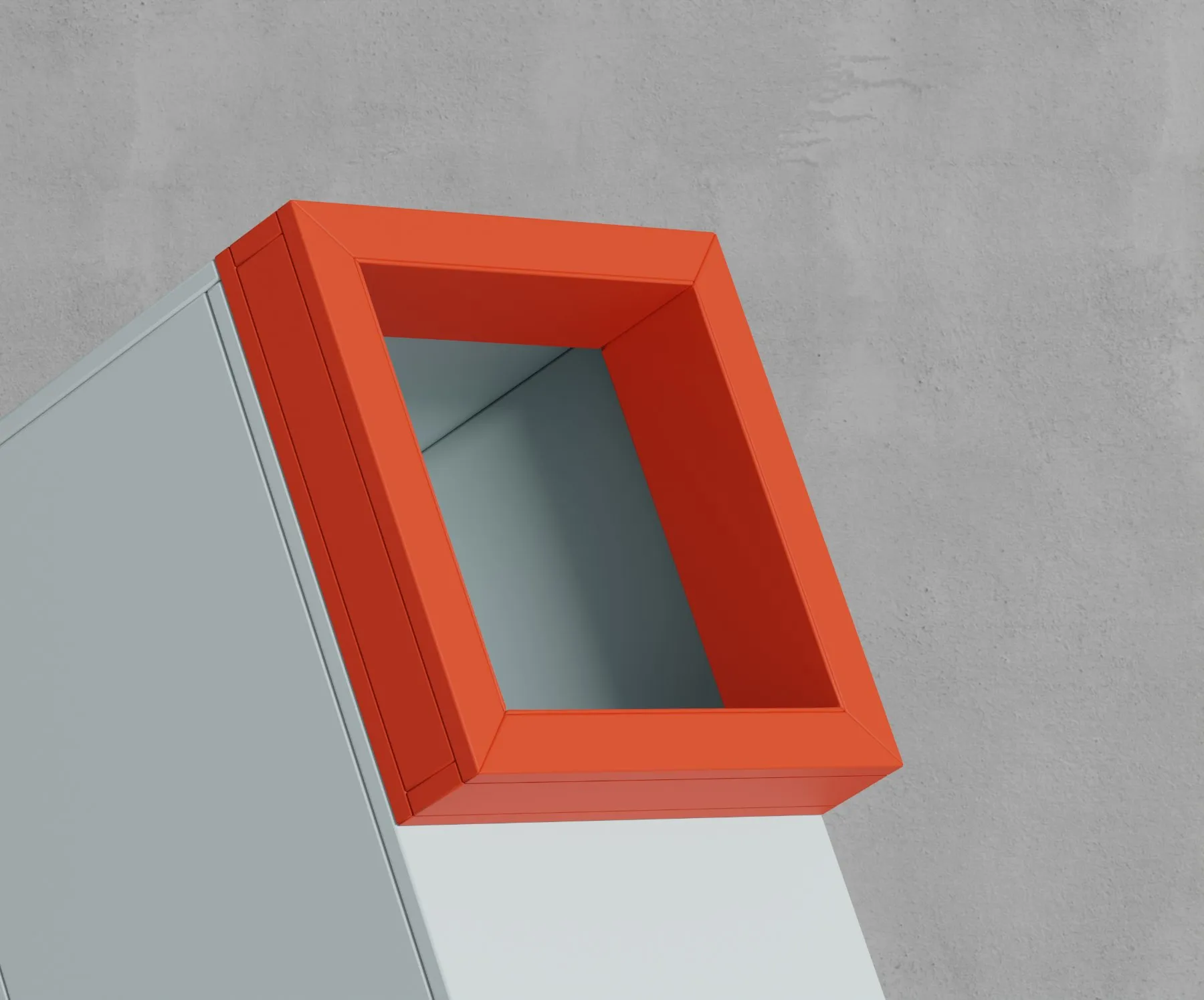
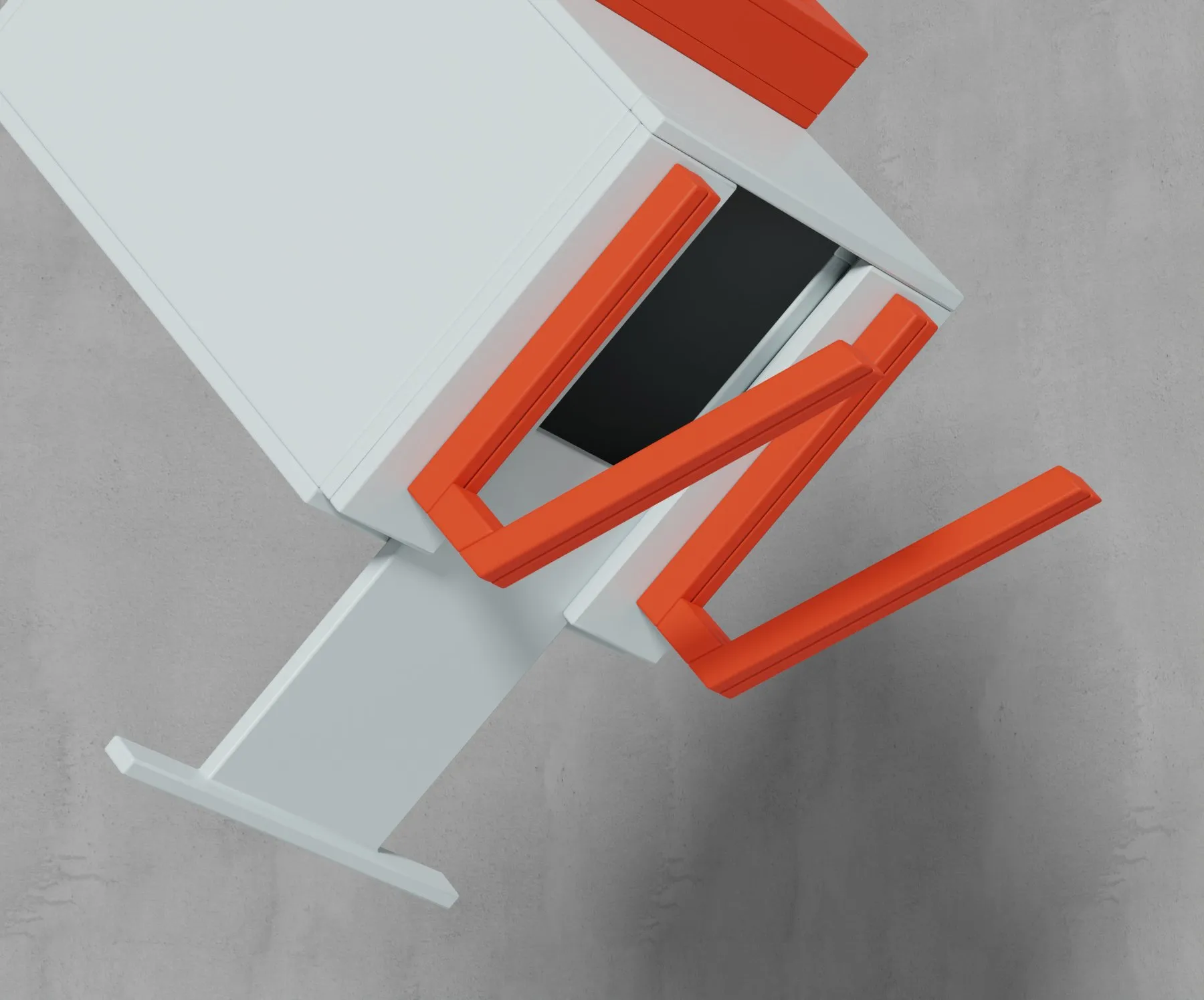
The play dustbin hides by looking a little like a cartoon character, so kids stop treating it like a chore.
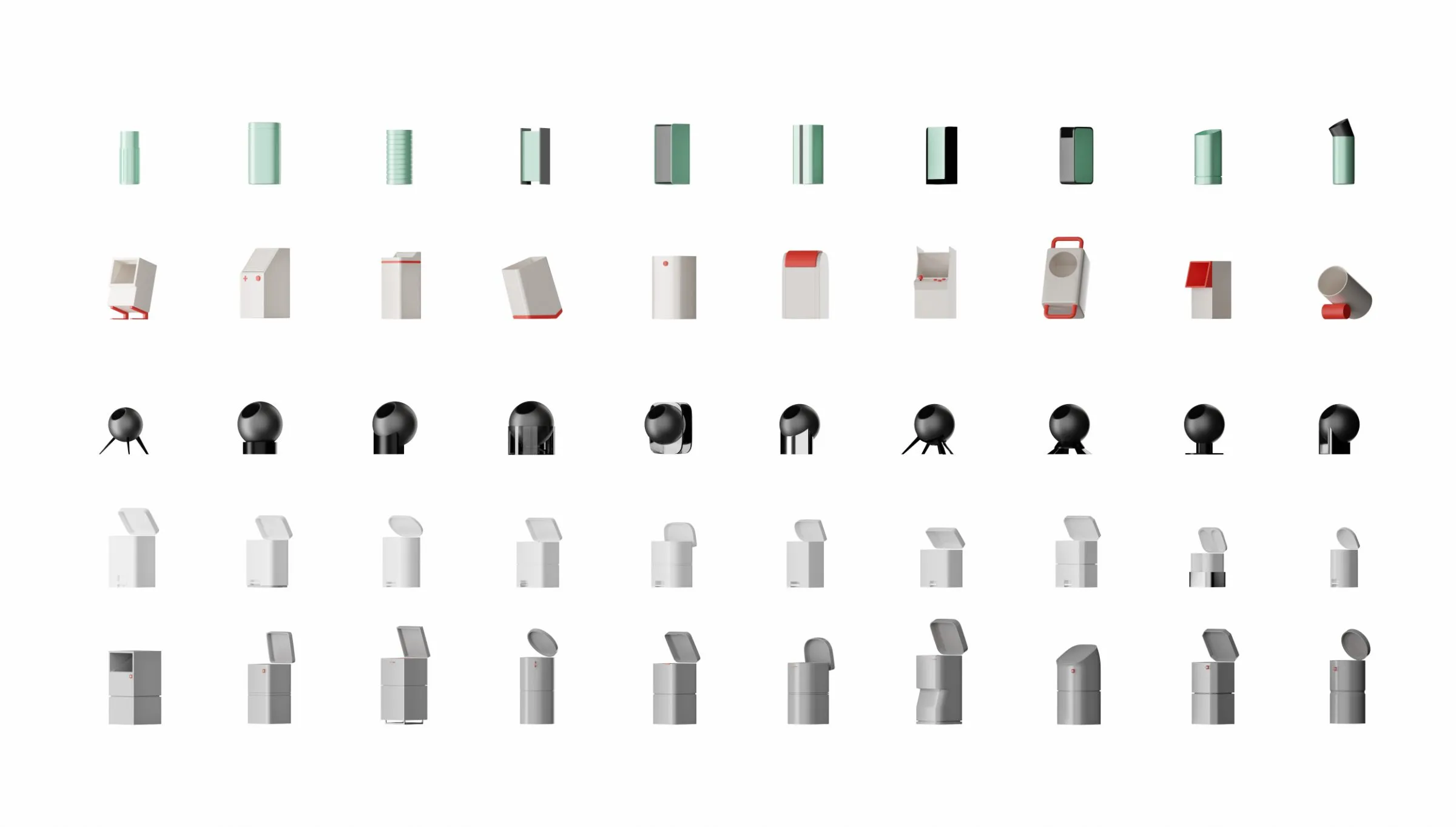
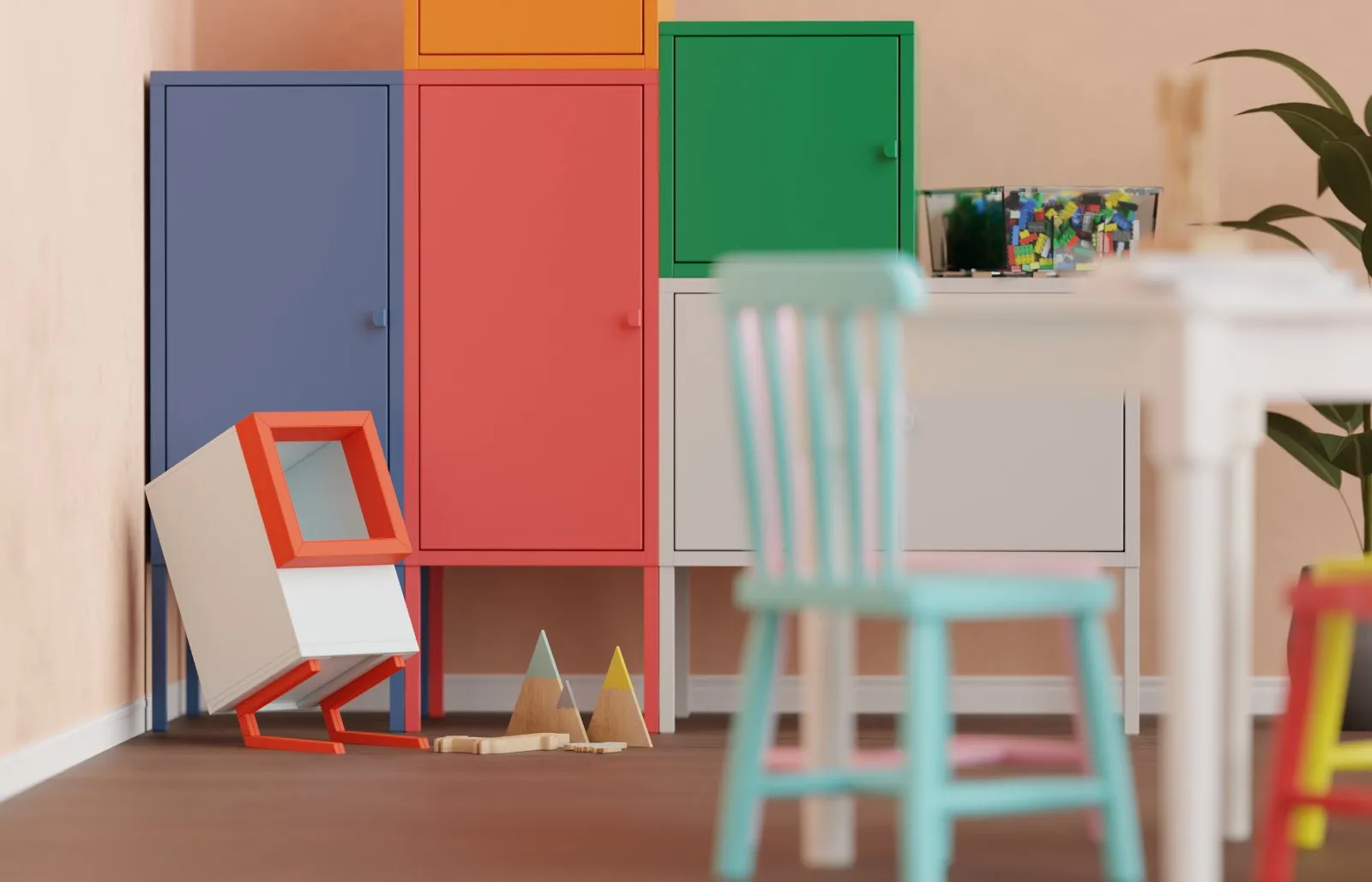
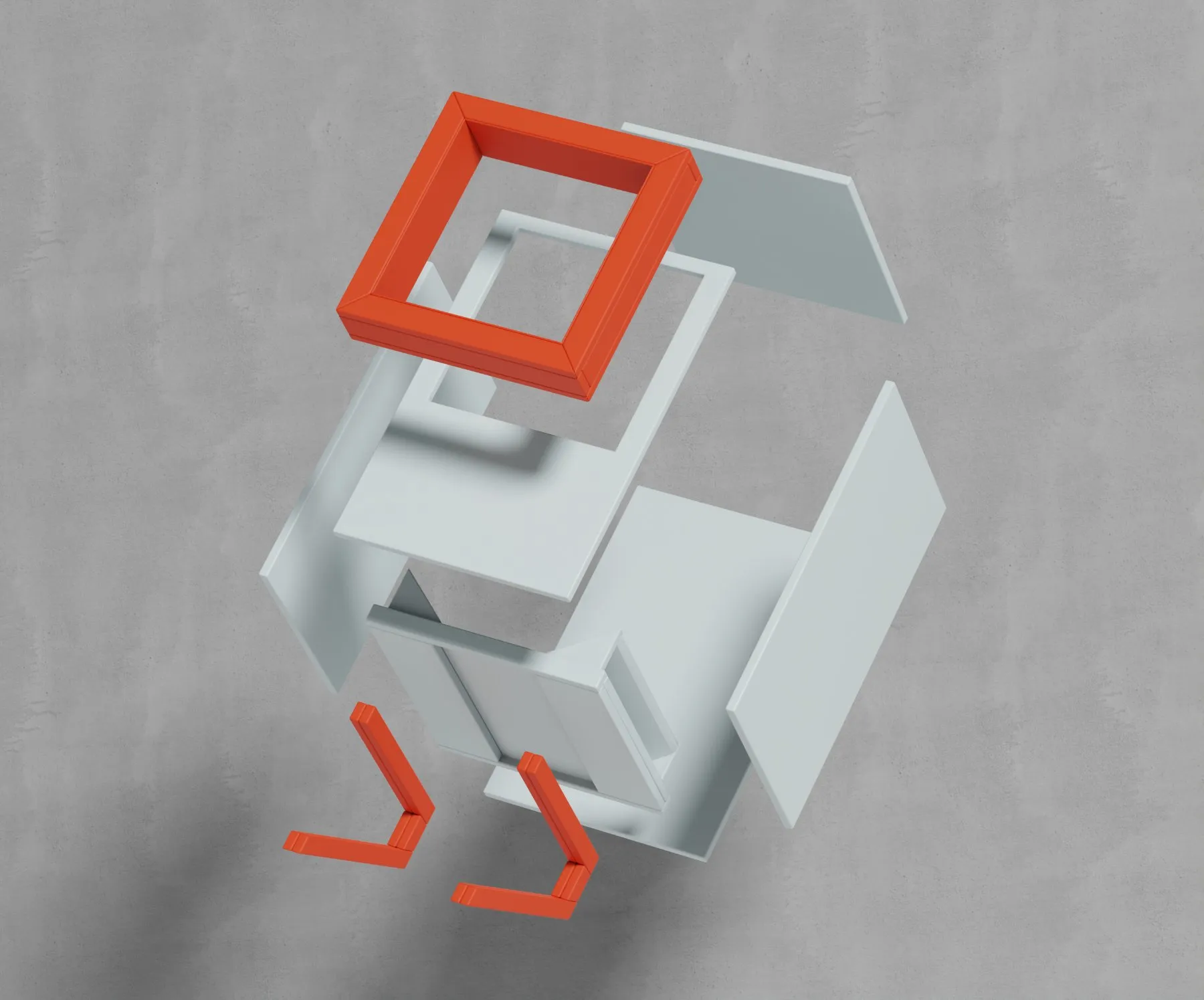
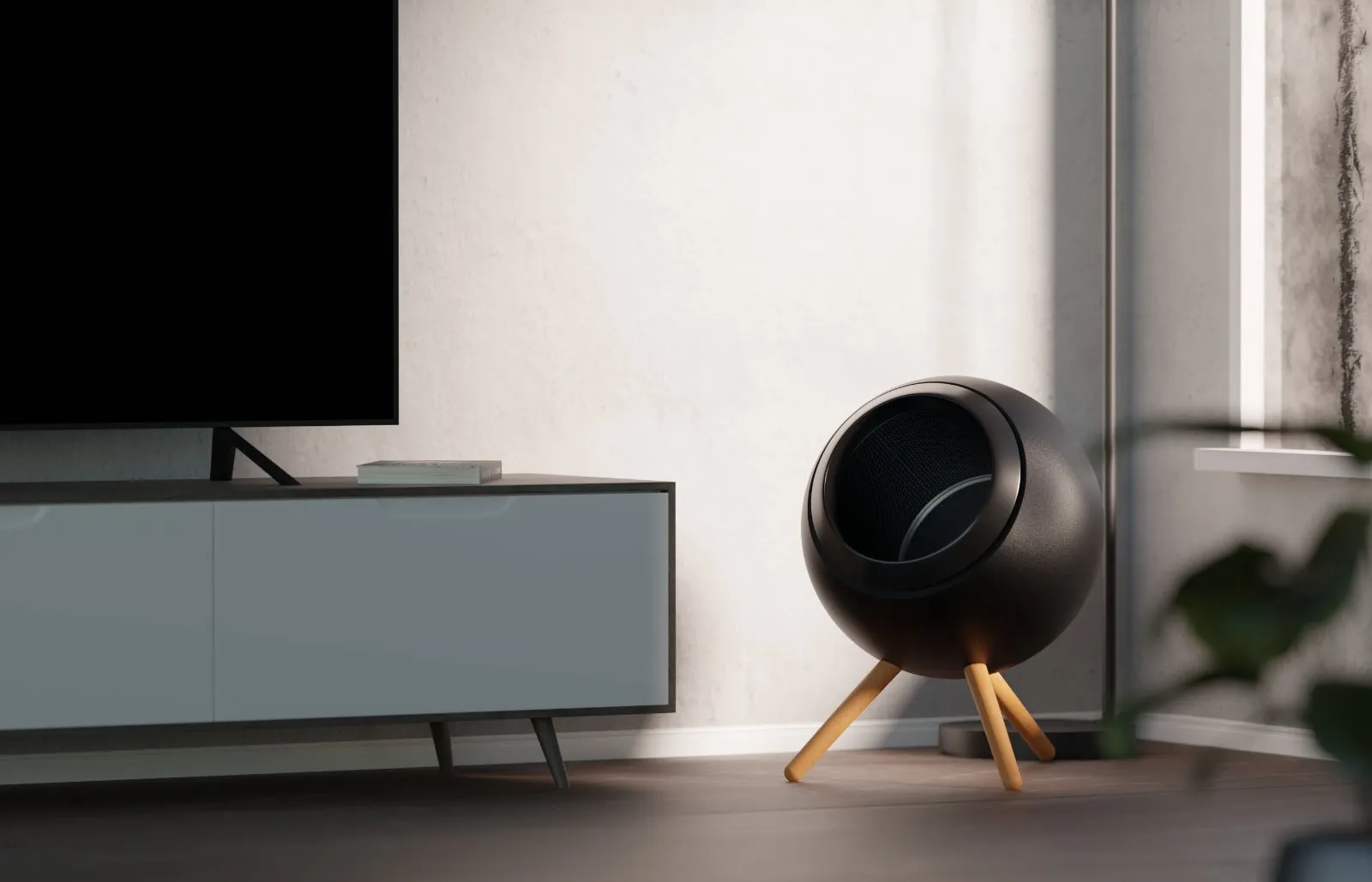
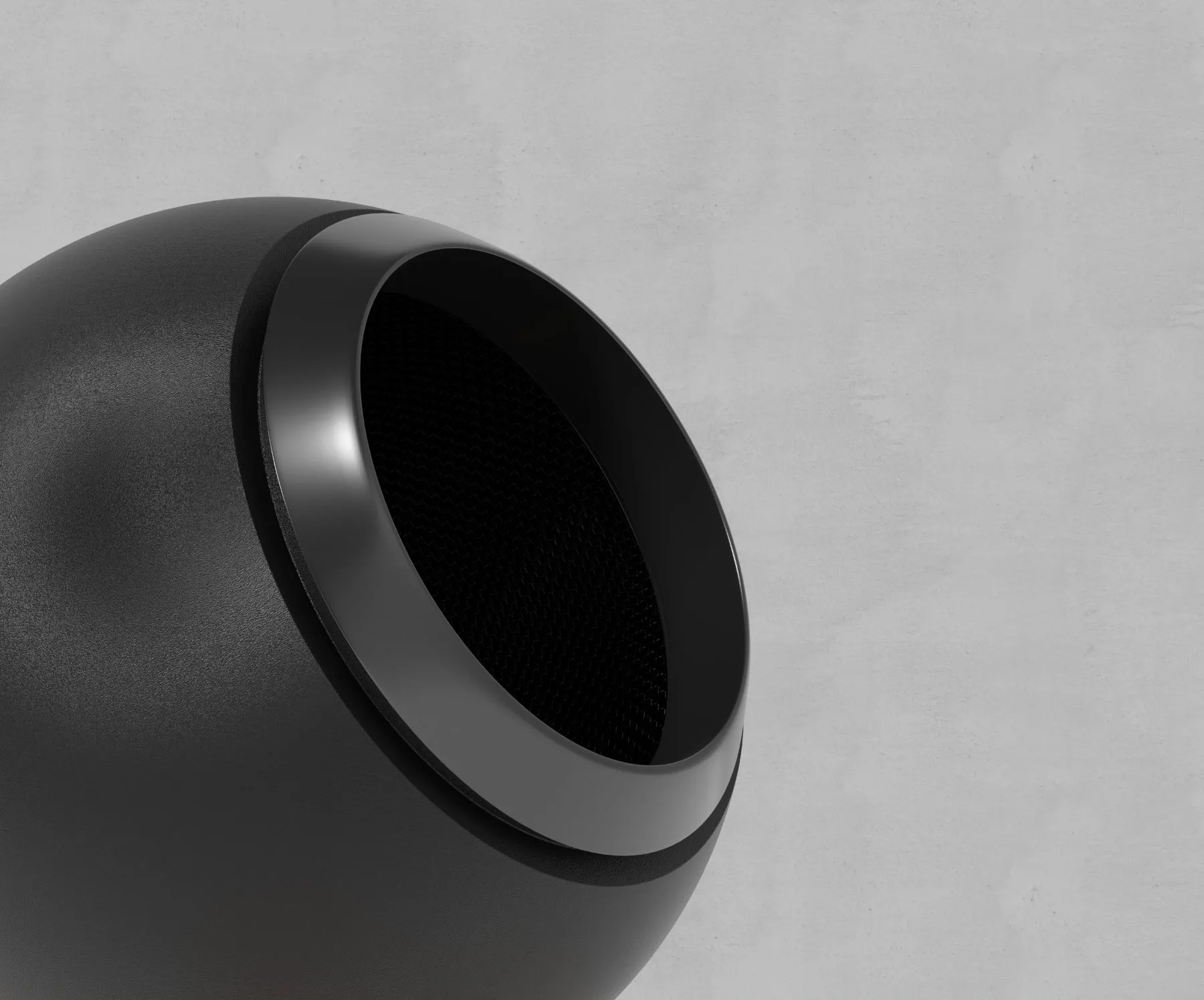
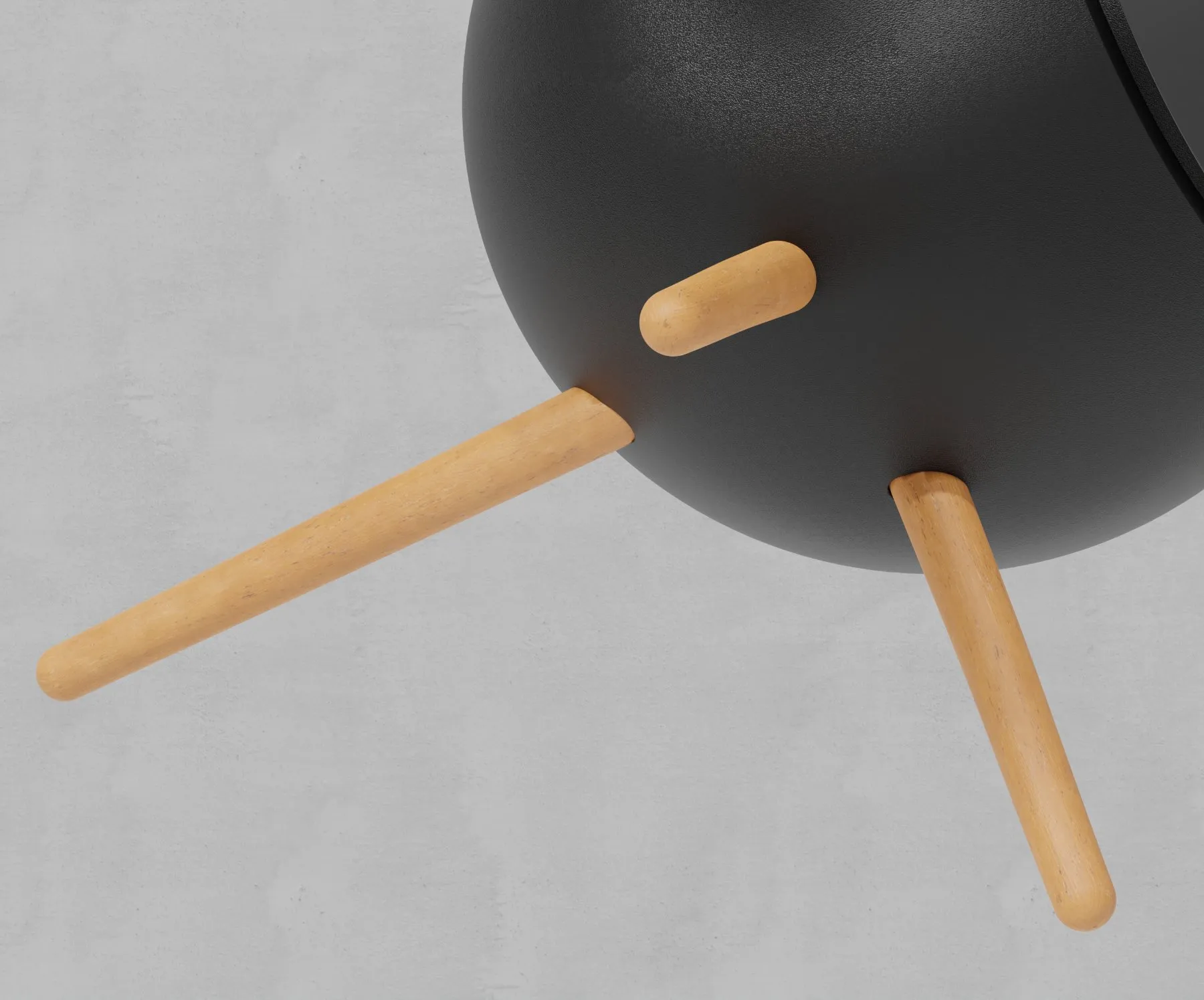
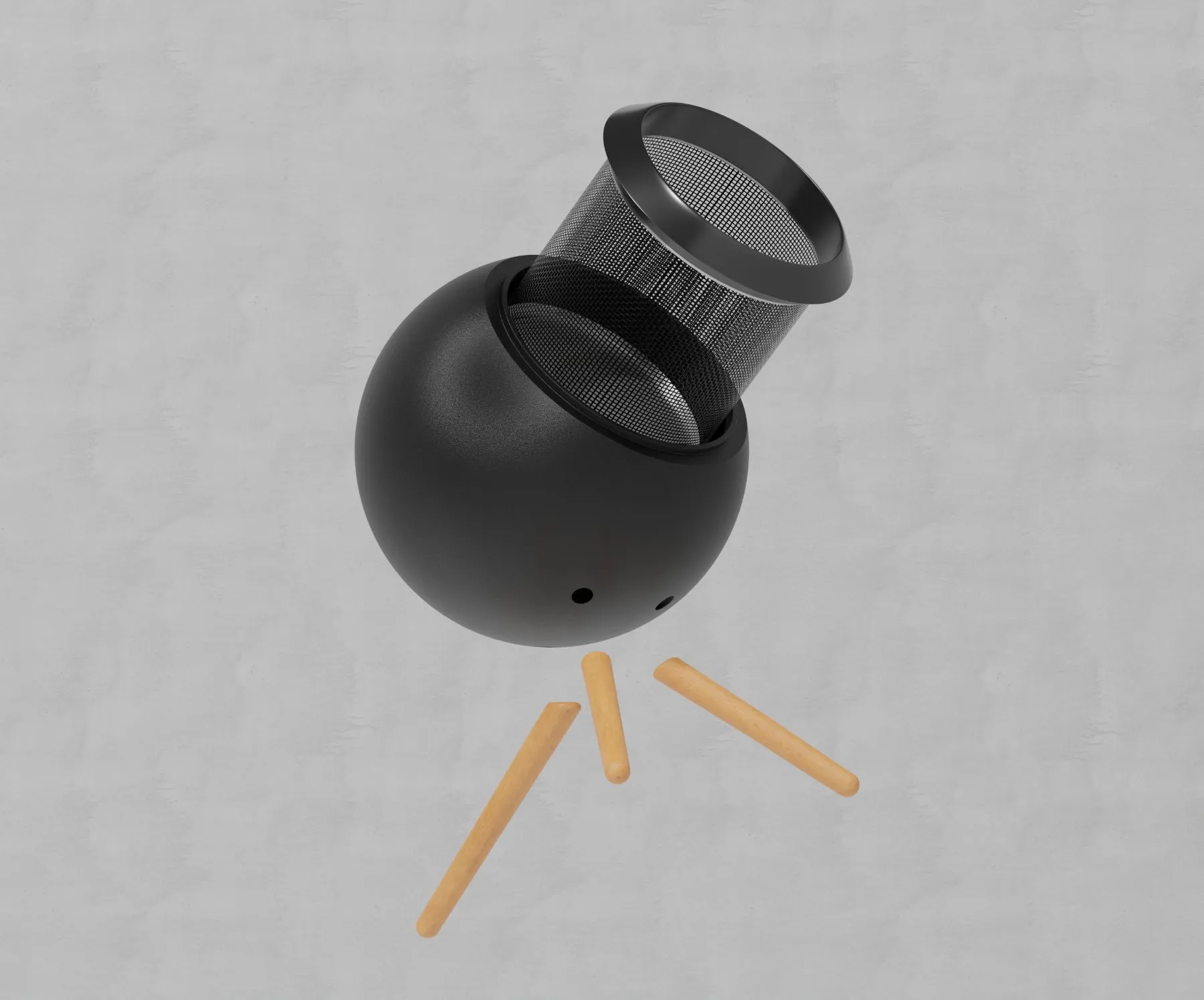
Two made the cut: the play dustbin and the inverter were shortlisted for production, built in small quantities for the showcase apartments.
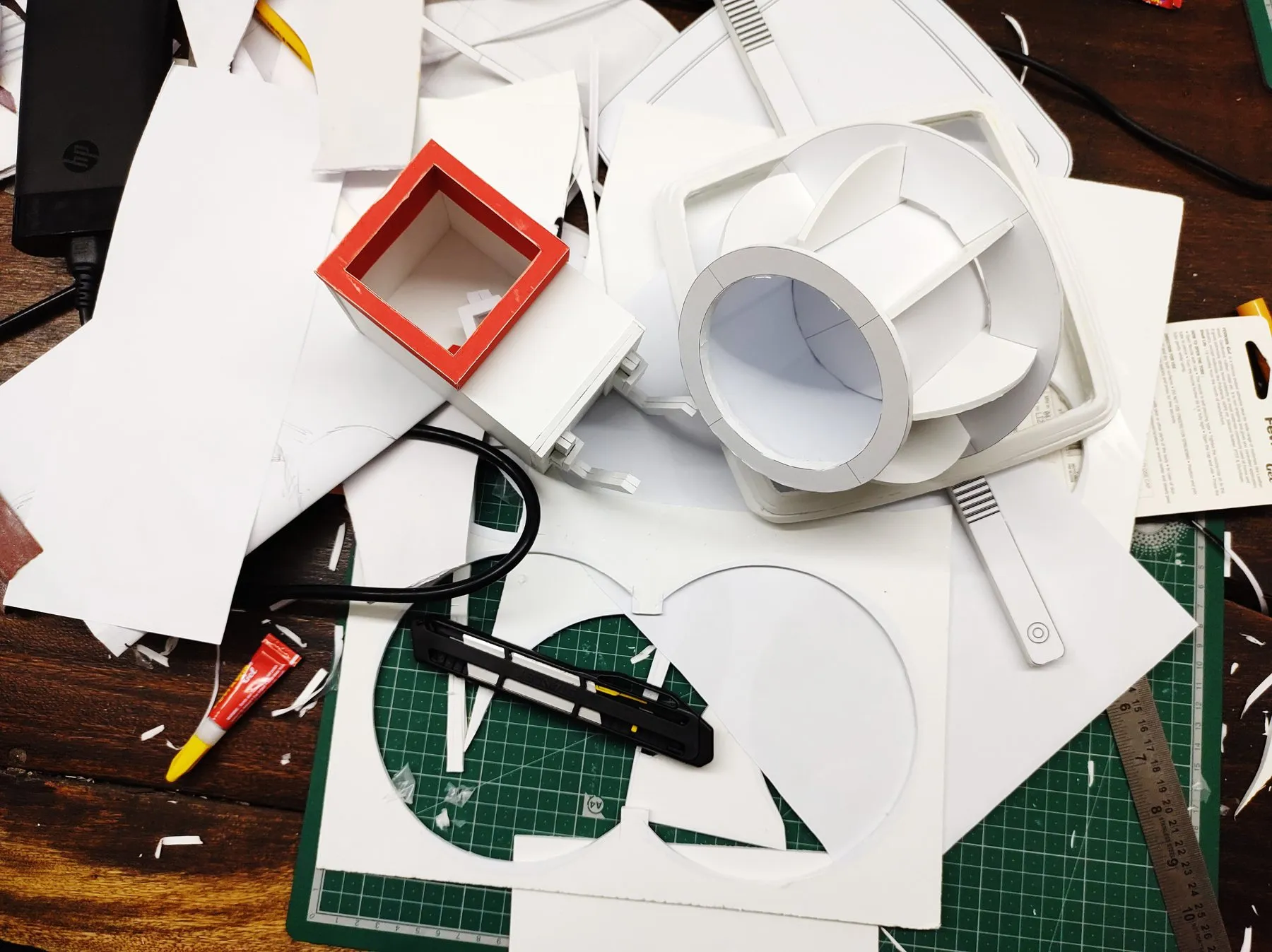
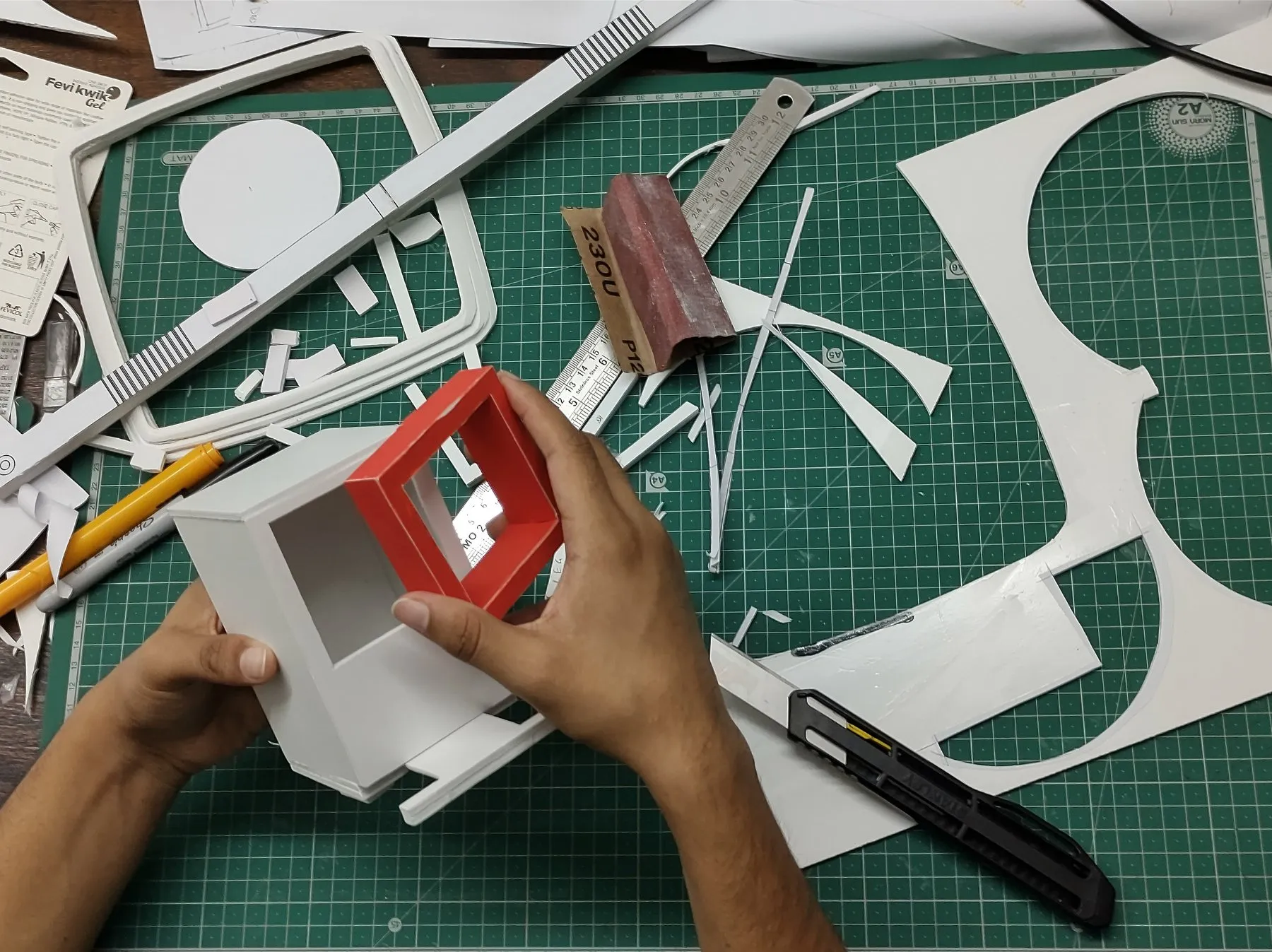
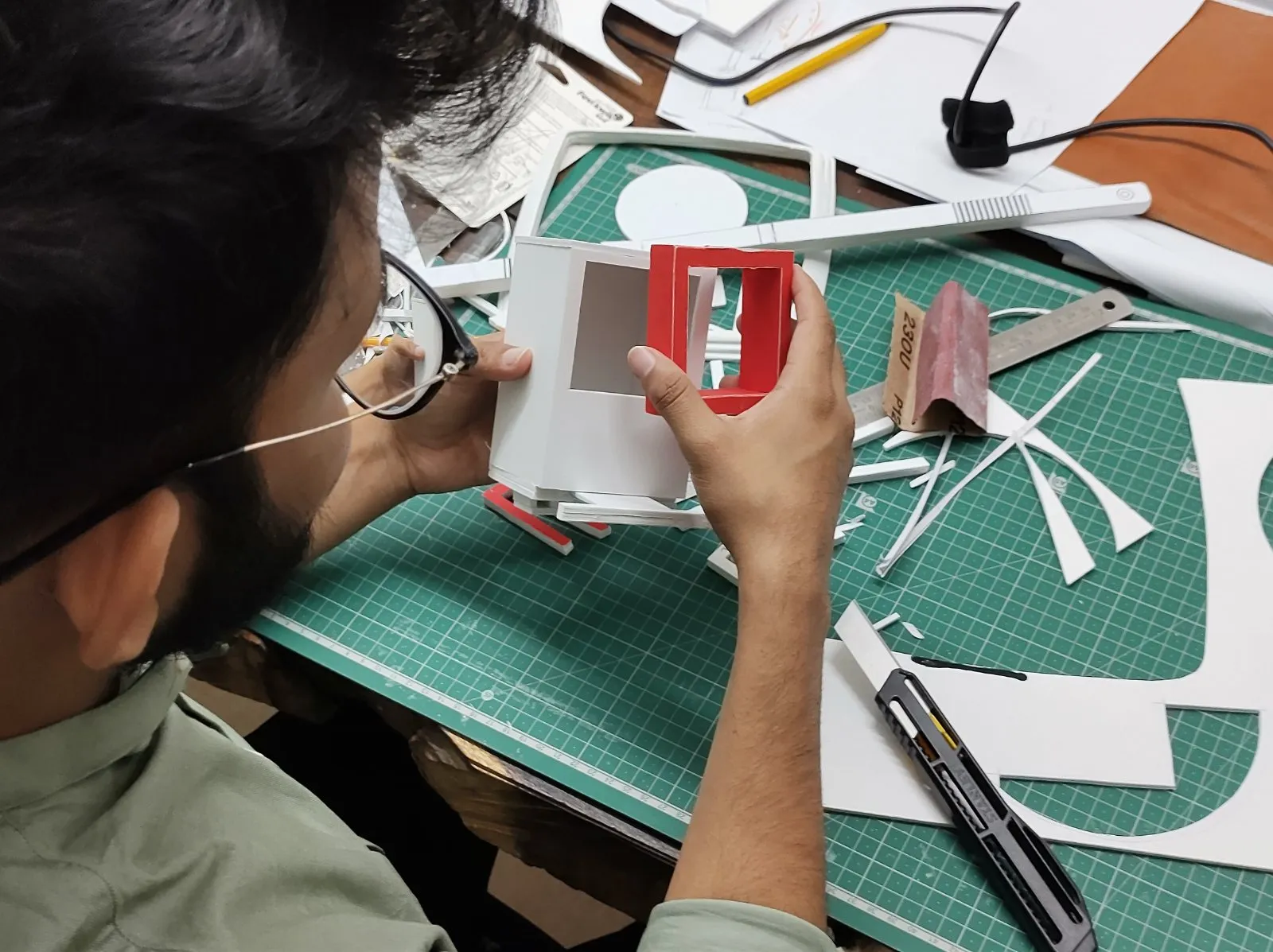
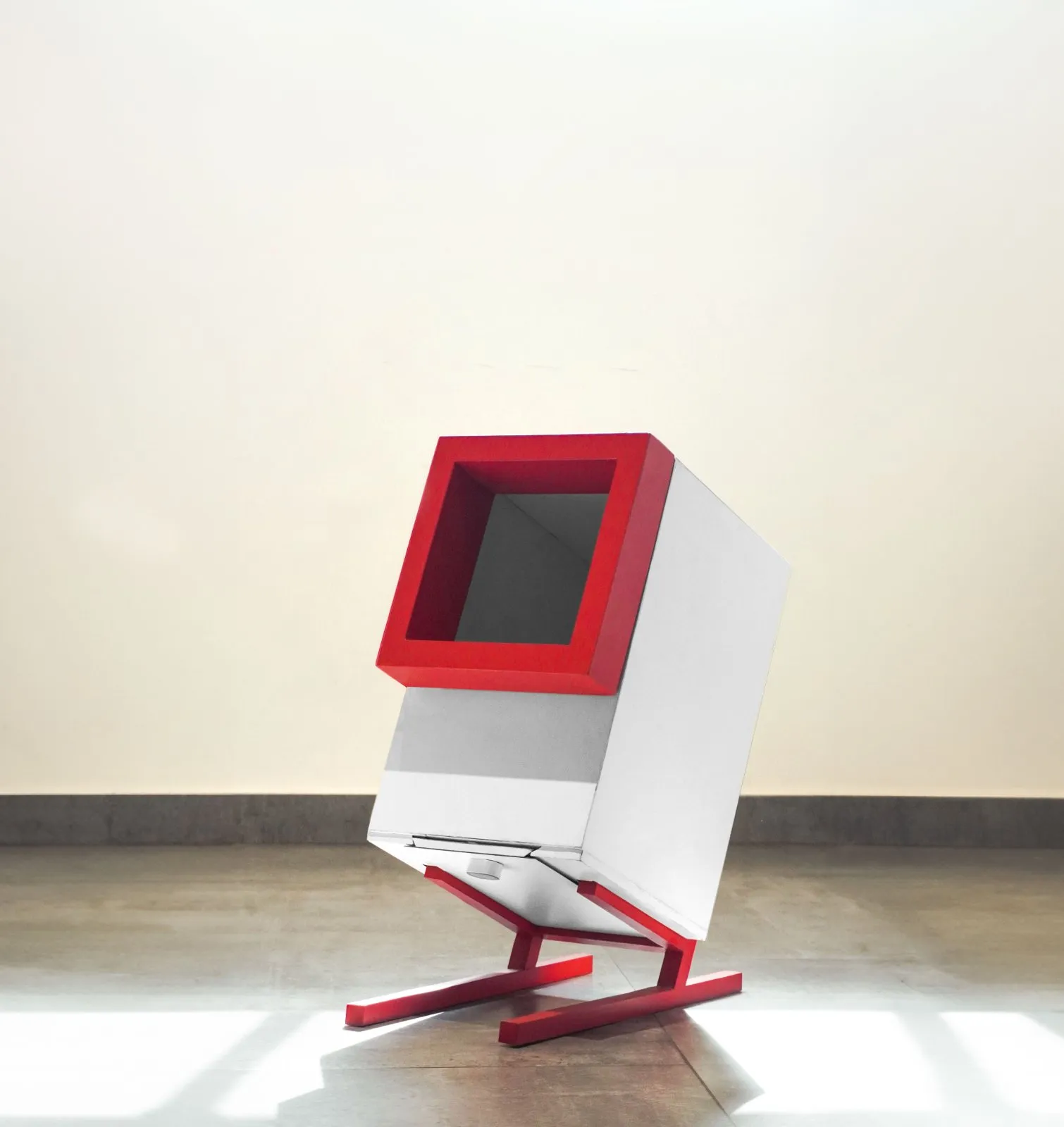
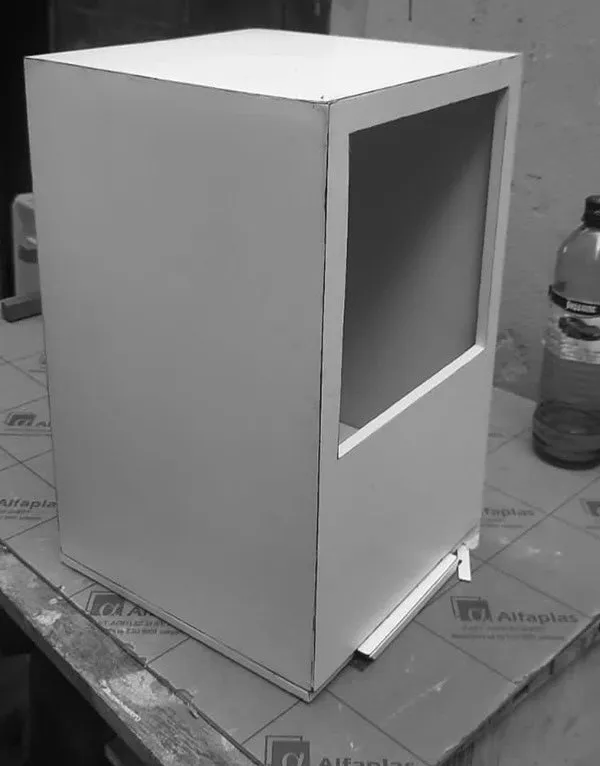
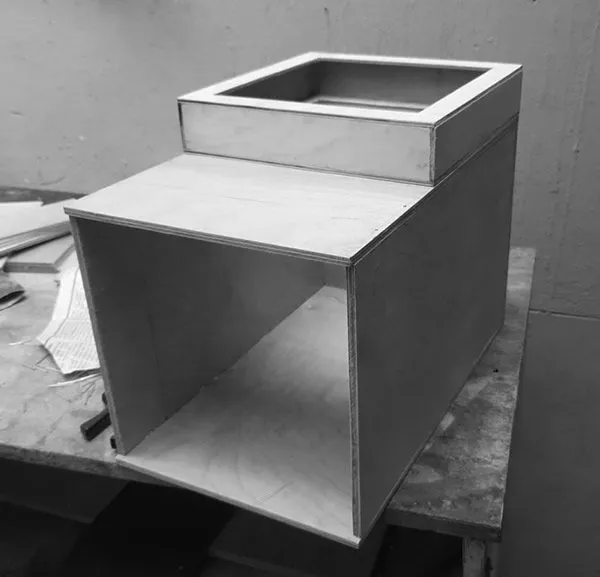
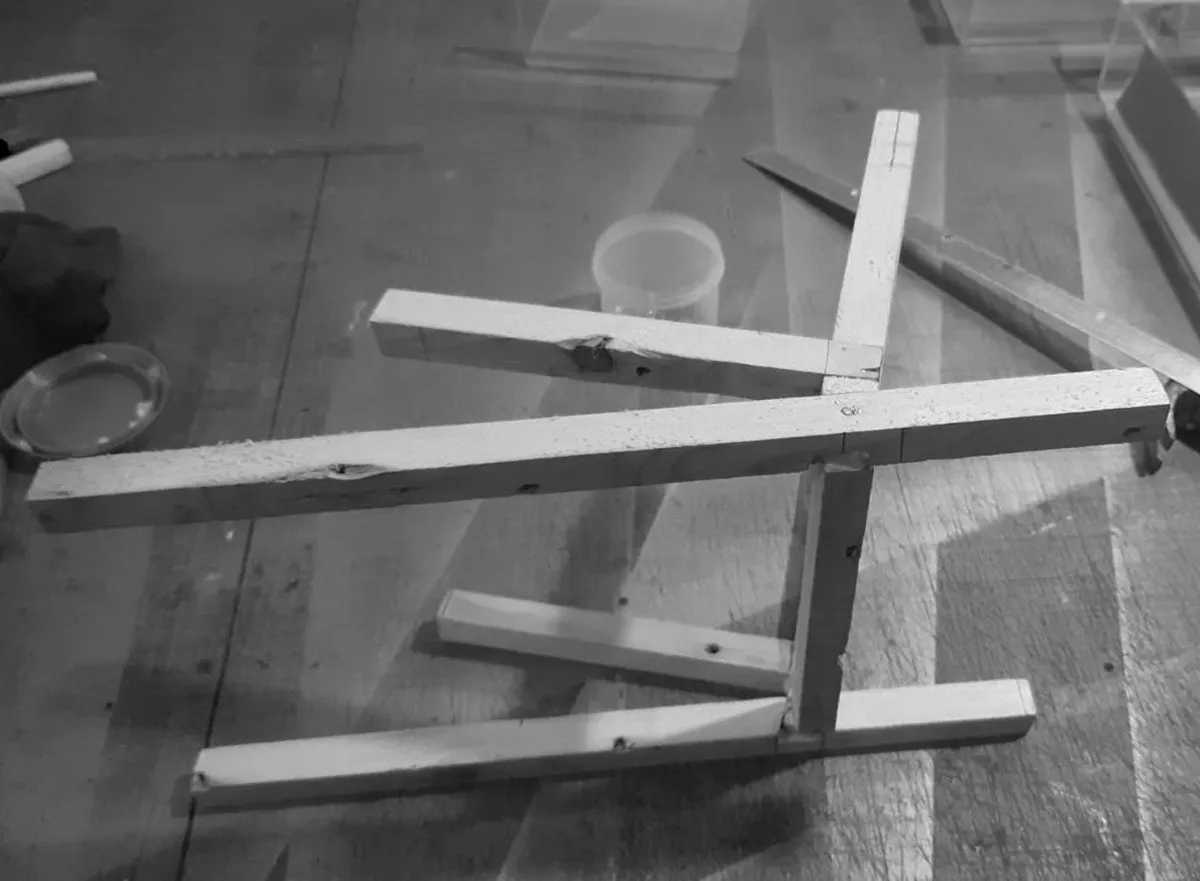
I spent the first half of 2022 as a design intern at Core Experience, and ended up leading the design of six home appliances and furniture pieces for Svasa Homes, Core's real estate partner. Svasa was selling beautiful apartments, and the appliances going into them were letting the whole thing down. The goal was bigger than six products: a design philosophy distinct to Core and Svasa. I worked solo on the research and design, checking in regularly with the designers, architects and engineers on the team to keep everything grounded.
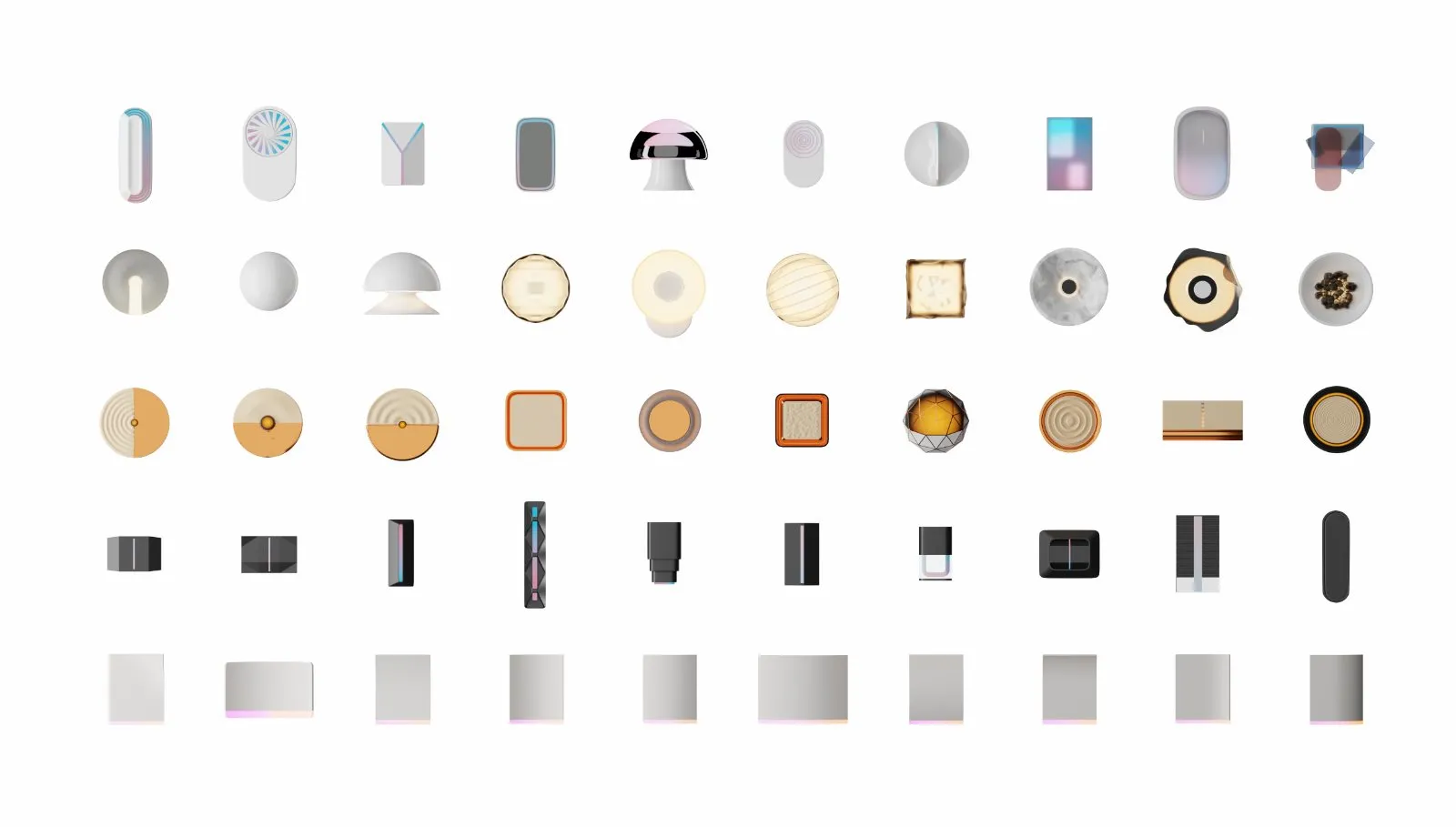
We spent a good while up front just working out which appliances actually annoy people in their own homes, and what would happen if we changed how they looked and worked. That research shaped everything after it. We mapped a typical apartment room by room alongside the market, and used that to pick which six products were worth doing.
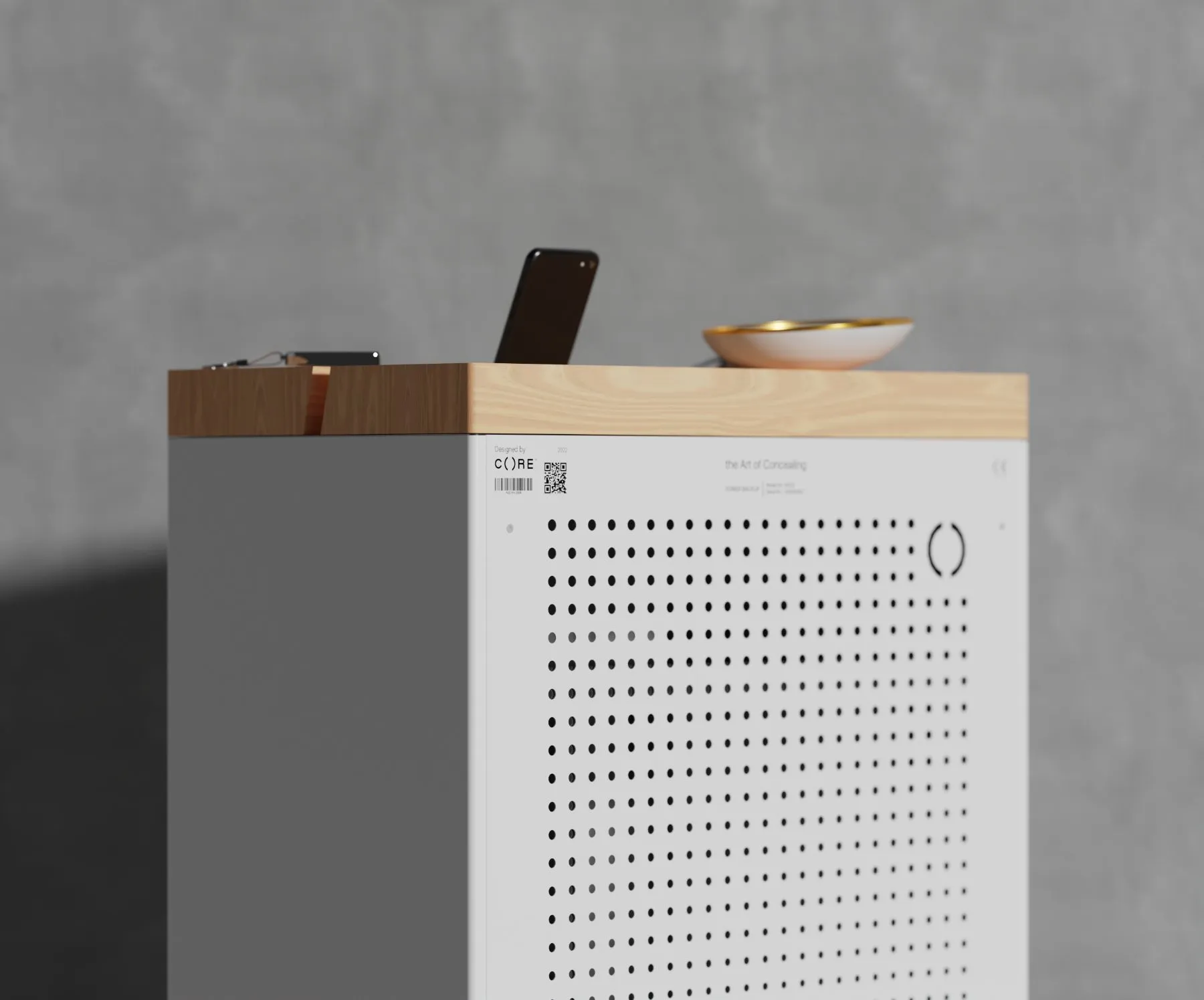
The inverter is the clearest example. Instead of hiding it in a cupboard, we gave it a completely different job: it became an entrance console, the piece of furniture where you drop your keys and wallet on the way in and pick up a charged phone on the way out. The UPS went the other way. We put it right out in the open with a customisable LED matrix on the front, so it reads as something you chose rather than something you tolerate.
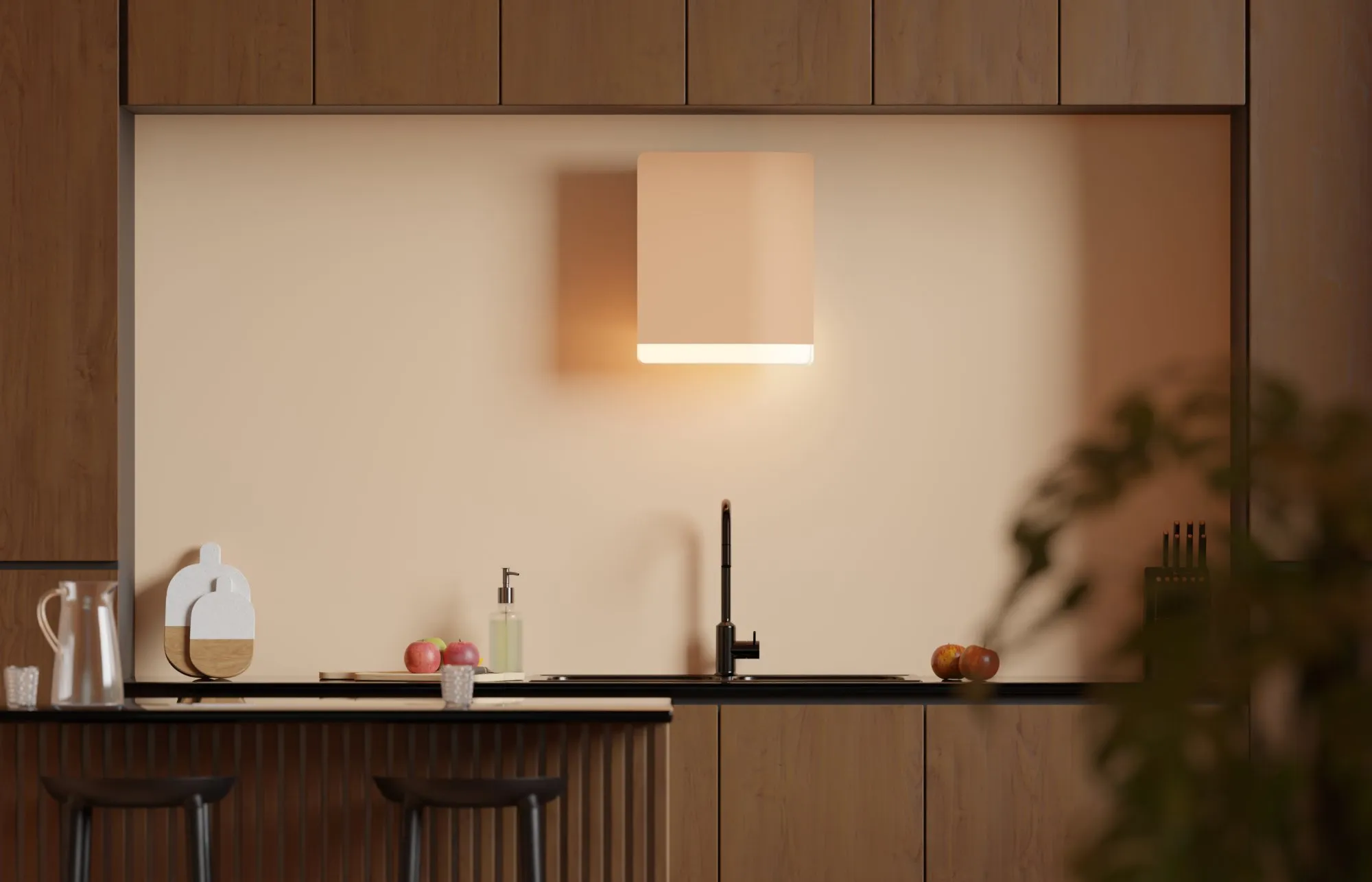
The bathroom water heater became artwork — same function, entirely different presence on the wall. The kitchen one hides behind a softly curved plastic panel instead, doing its best to give you no reason to notice it at all.
The two dustbins are aimed at different rooms. The play dustbin lives where kids do, so it borrows a bit of cartoon character and sits happily in a colourful room. The sphere dustbin is for living spaces where the room has been styled, so it takes a form odd enough that people read it as an object rather than a bin.
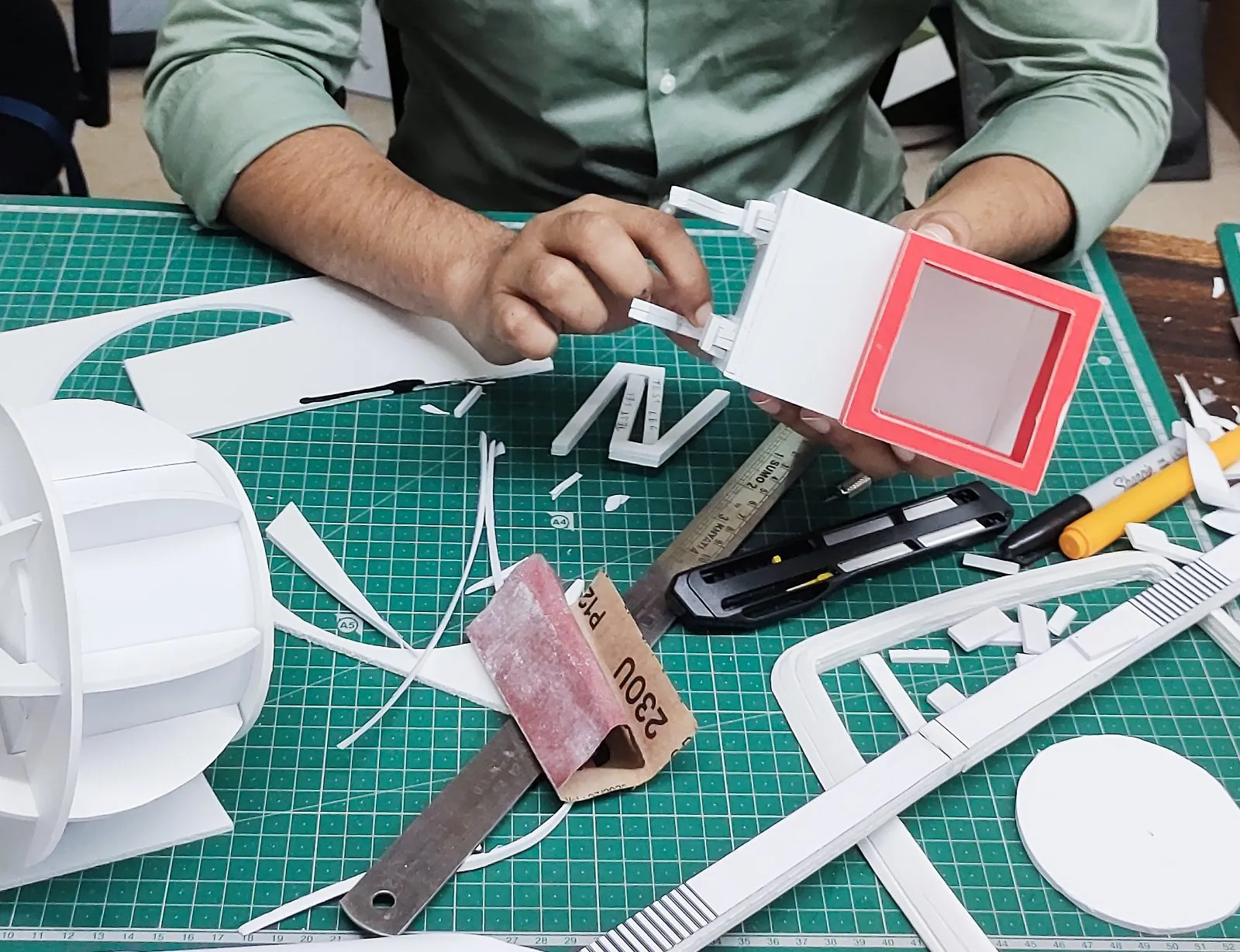
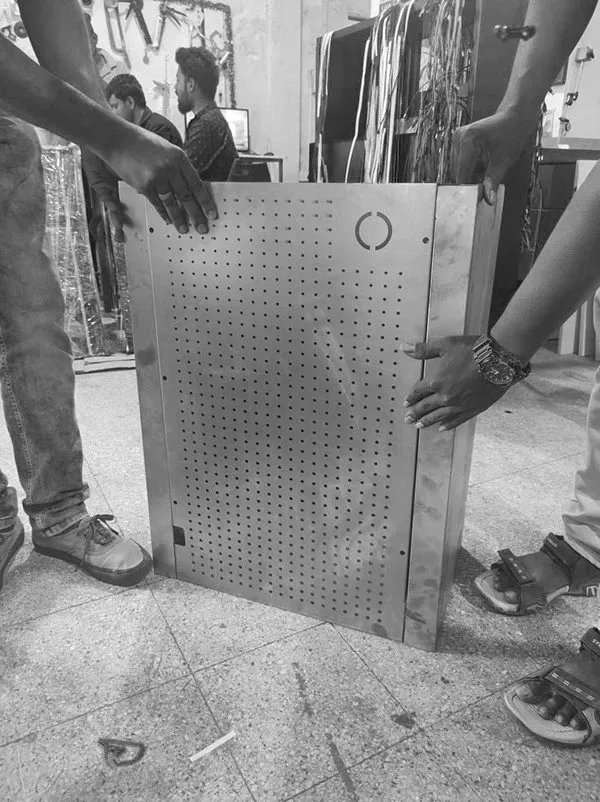
None of this stayed in renders. We built the prototypes in the workshop — perforating panels, welding enclosures, cutting plywood structures — because the only way to know whether something disappears into a room is to put it in one.